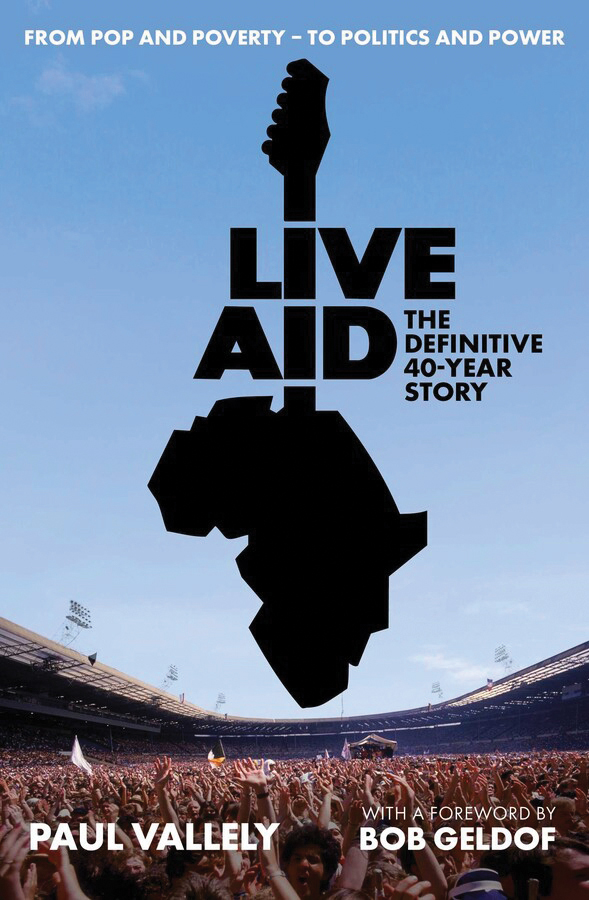
A young girl is packing to go to university. She’s going to study history and the course goes up to the 1980s. Her mum produces a book about the great Live Aid concert she attended in 1985. The girl is not interested. But then Bob Geldof walks onto the stage at the start of the West End musical Just For One Day and the cast belt out David Bowie’s “We can be heroes… ”
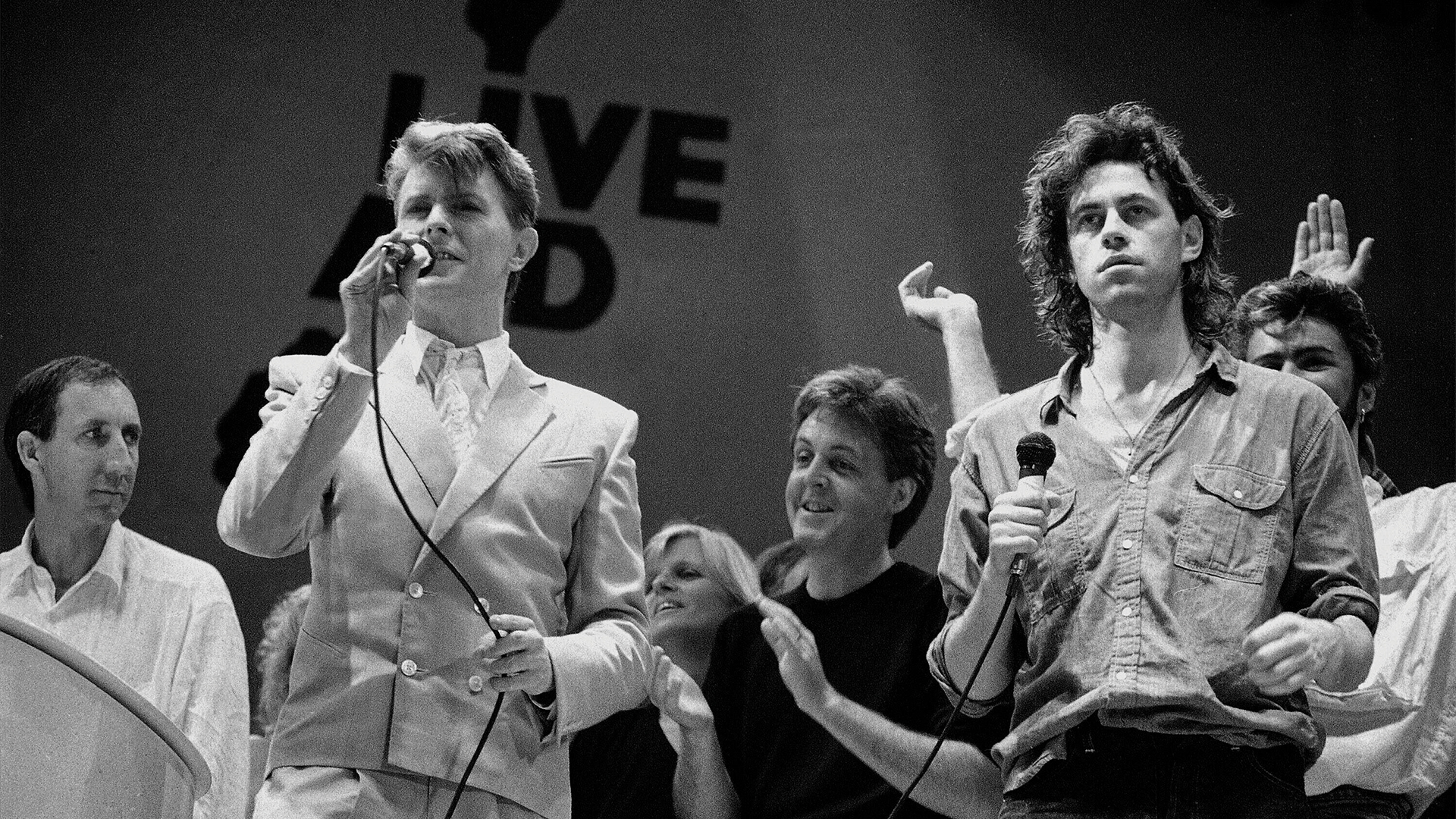
Over 40 years ago nearly two billion people watched that concert on television. It was the biggest collective event in human history. It wasn’t just a concert. It was an event which changed the mantra of the era – from “greed is good” to “compassion is hip”. Live Aid shifted the political centre of gravity for decades by fusing the worlds of pop and politics.
Get the latest news and insight into how the Big Issue magazine is made by signing up for the Inside Big Issue newsletter
It began when Bob Geldof, horrified by scenes of famine in Ethiopia on the BBC news, brought together Britain’s top pop stars to make a record to raise money for the starving. In doing so, he let something loose in the psyche of the world. Record companies and high-street retailers waived their profits to maximise the amount it raised. Women in the record factory stuck on the labels without pay. Lorry drivers delivered it for free.
Pop stars in the US produced “We Are the World” – which became the most commercially successful charity single of all time. It gave Geldof the idea of joining the two groups together in a live transatlantic concert linked through the innovation of satellite technology.
Live Aid raised £140 million. I was The Times’ correspondent in Ethiopia at the time. After reading my reports, Geldof asked me to travel across Africa with him to decide how to spend it. But on that journey Geldof was shocked to discover that Africa was being forced to pay the same amount as he had raised every week to Western banks in interest on dodgy loans made during the Cold War.