Conspiracy is no longer at the margins of society. Today Covid sceptics and climate deniers hold powerful positions in the US government, while tech moguls bolster their wildest beliefs. It is no wonder that auteurs such as Ari Aster and Yorgos Lanthimos have released films like Eddington and Bugonia that grapple with conspiracy and its dark allure.
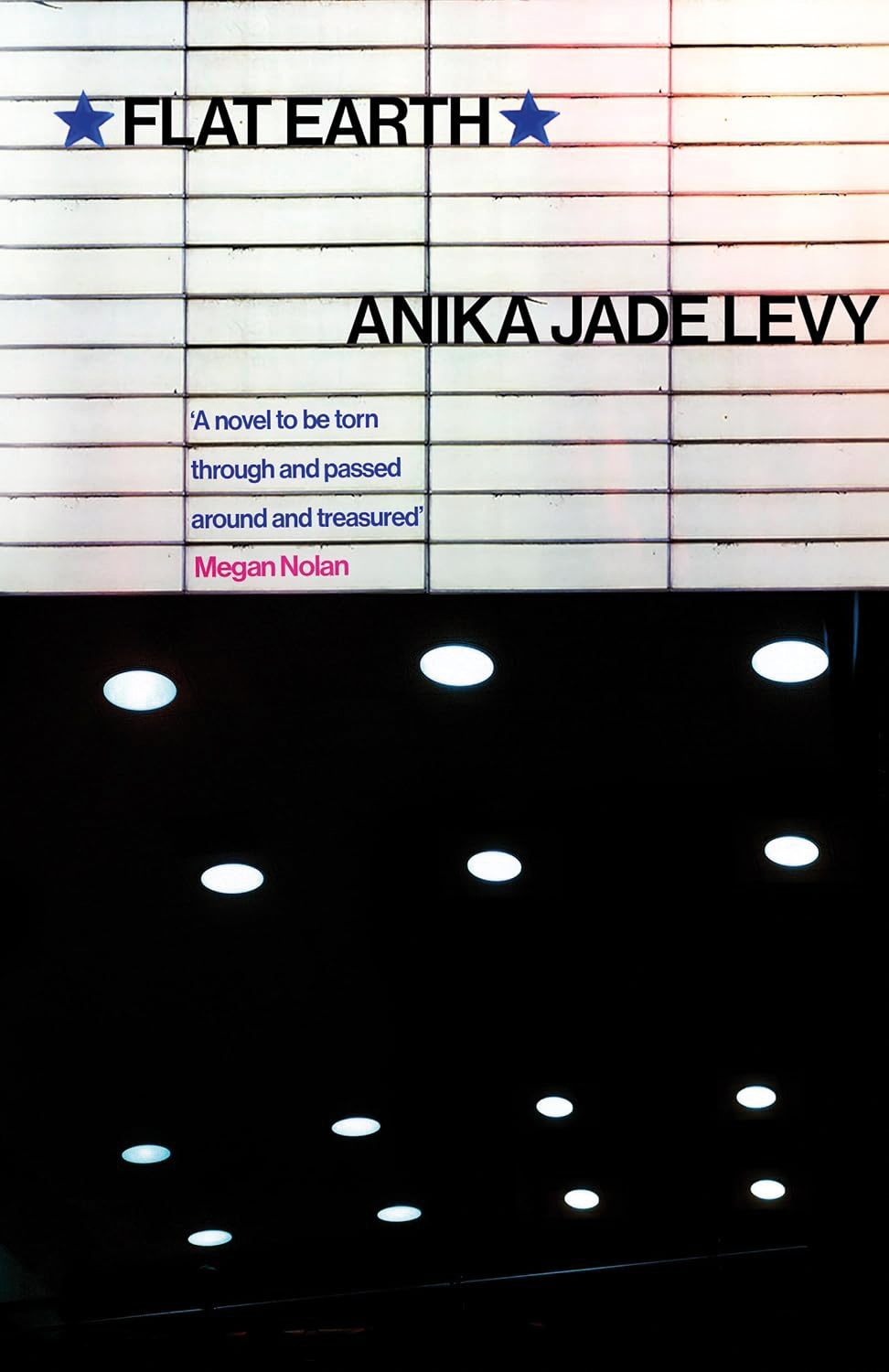
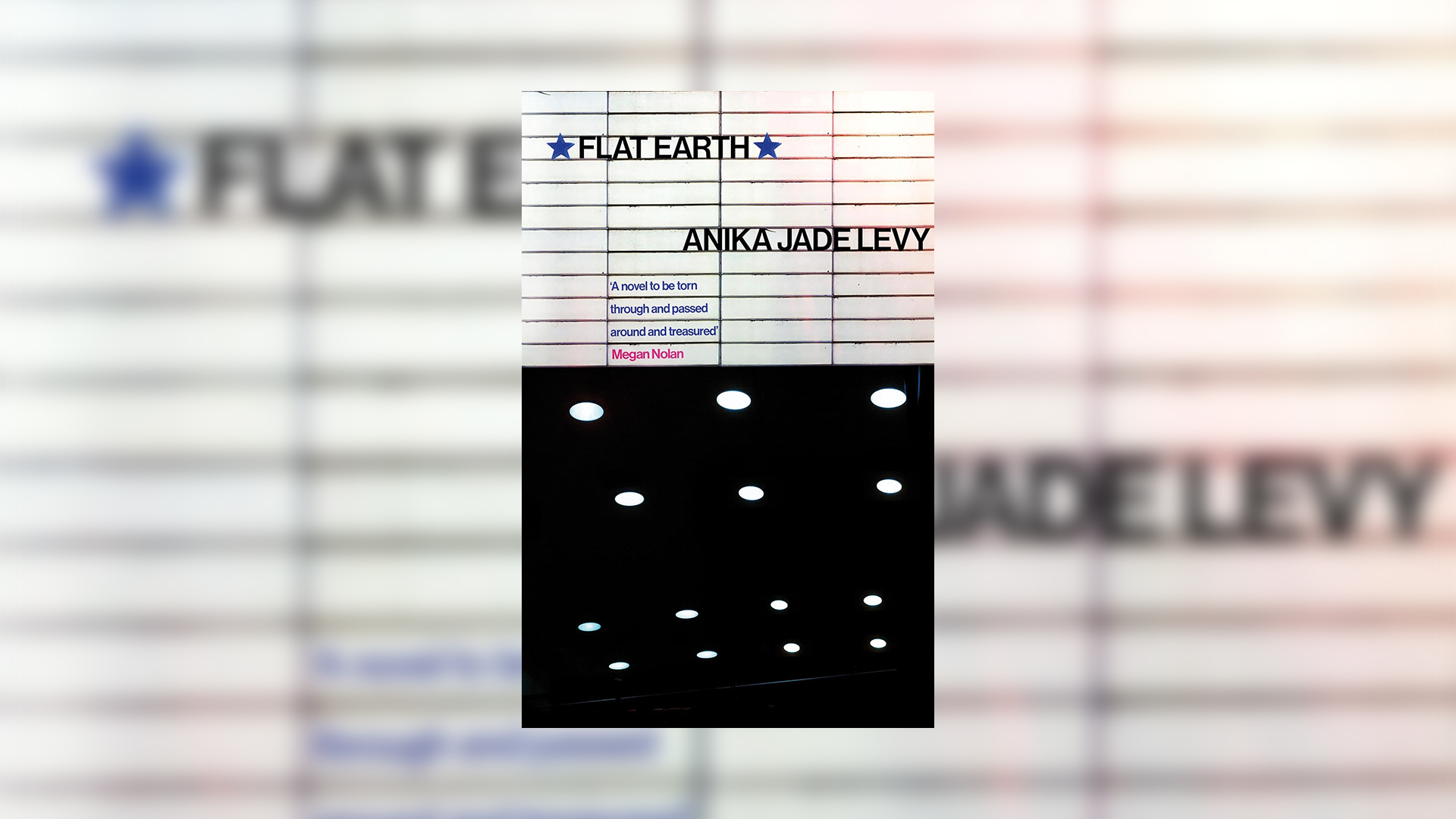
While the conspirator has been the focal point in cinema, Anika Jade Levy’s debut novel Flat Earth keeps them at arms’ length. In fact, the reader is twice removed from the conspirator as waifish art graduate Avery follows her friend Francis, the object of all her envy, around on her creative projects documenting Middle America’s antisemites and flat earthers.
Avery spends her days dating for money or to feed her self-esteem, wandering aimlessly through the New York art scene and watching from the walls of every hip party and pretentious opening night, searching for acceptance in the wrong places.
Read more:
- This is what happened when comedian Dom Joly took a flat Earther to the edge of the world
- BetterPod: Jonn Elledge on how to avoid falling for conspiracy theories
- Top 5 books about obsession, selected by author and academic Marieke Bigg
Dispersed among the pages of empty hedonism and even emptier affairs are Avery’s reports, supposedly for the right-wing dating app she has recently been employed by, although they often drift from the interests of their intended audience.
These break from Avery’s everyday, holding the trivial trends, anthropocentric news alerts and neuroses on equal footing. Here Levy subjects readers to men’s fertility fears, a conceptual artist who assumes a paedophilic gaze, unseasonably warm temperatures and Avery’s mummy issues, depicting a world devoid of meaning but desperately searching for it.