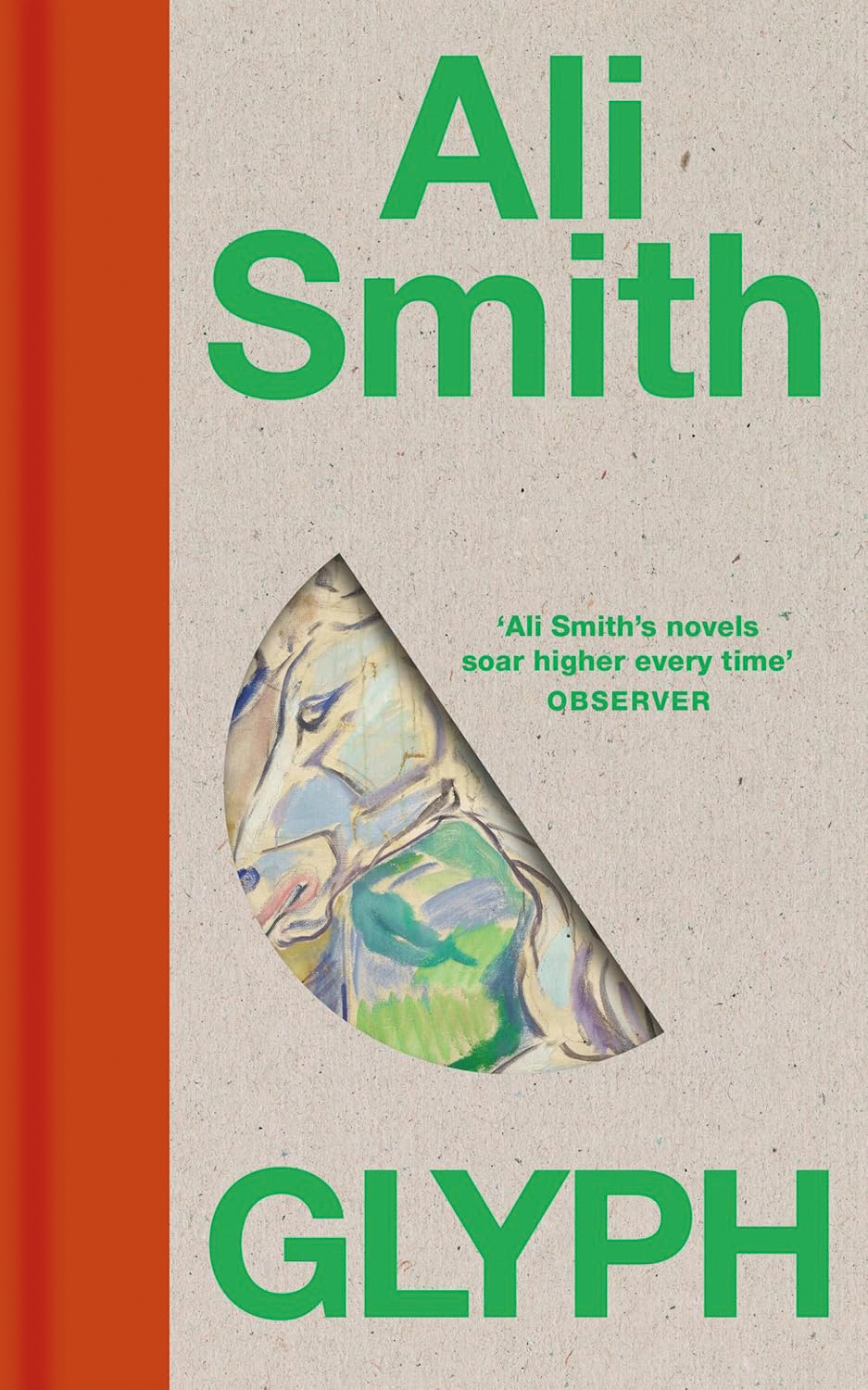
Reading Ali Smith’s work feels like wearing my favourite old blue shirt. Her writing is effervescent with kindness, challenging the violence of a political landscape that seeks to confound, divide and conquer – to make us complicit in cruelty, to accept the state’s evasions about Palestine.
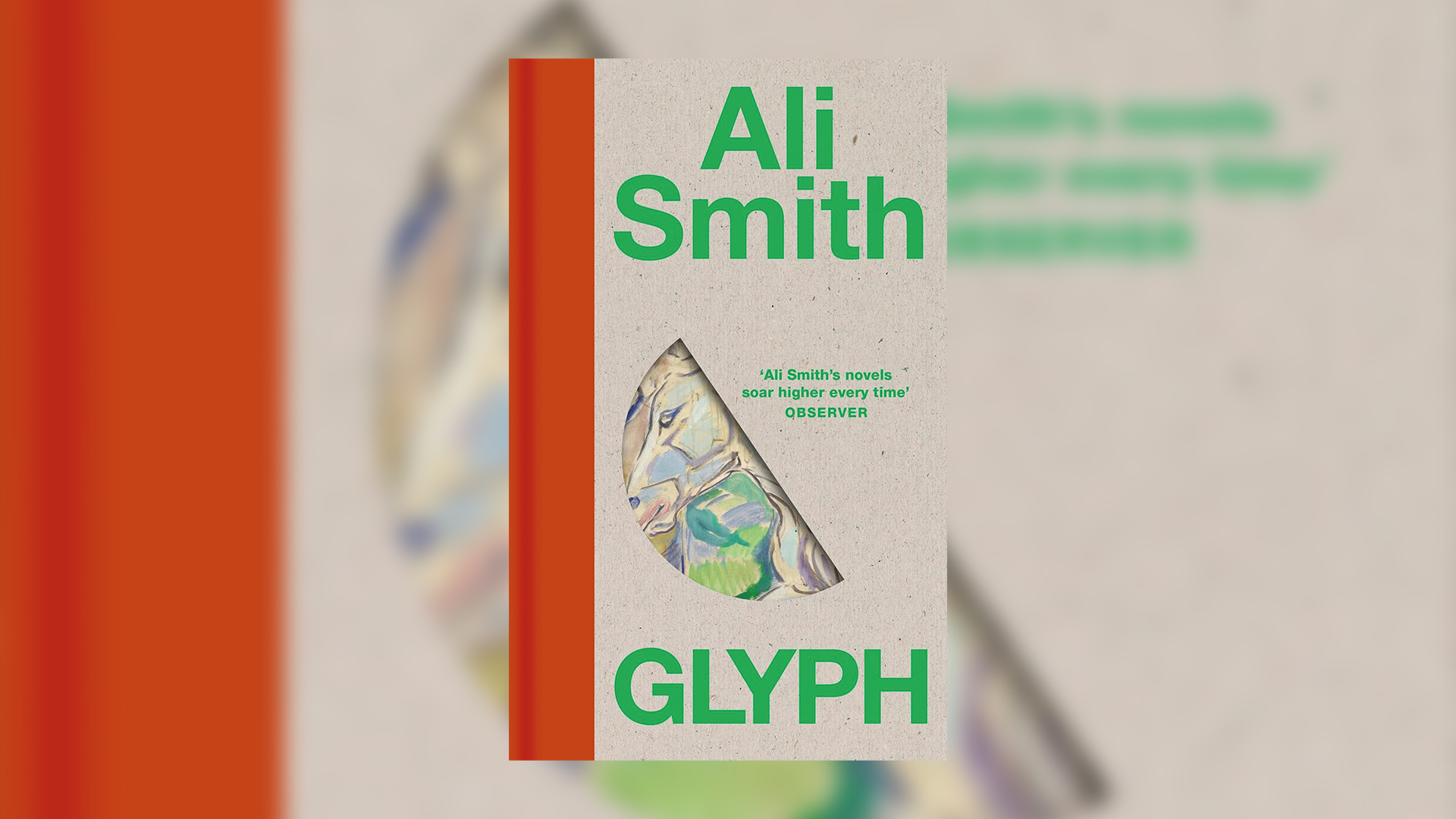
Glyph, her 14th soul-moving novel, unpicks how truth is warped in our time of genocides. This story belongs to Petra and Patch, two middle-aged siblings reflecting on their childhoods. As a kid, Patch is plagued by the horrific memory of a man flattened by a tank in WWII.
Petra consoles her sister by pretending she can telephone his spirit. His ghost becomes a friend, Glyph, who grows alive in their conversations through day and night. As their lovely mother keeps to her sickbed, they endure their father’s vicious rage with resilient imagination.
Read more:
- Gliff by Ali Smith review – ingenious and warm anti-establishment storytelling
- Companion Piece by Ali Smith review: Finding compassion in a world of everyday injustices
- The Light Room by Kate Zambreno review – a staggering breadth of knowledge
Growing up, the sisters become estranged. As adults, they are numbed by reality. Still, Patch’s daughter demonstrates the same radical energy as her mum once did, protesting the death machine as best she can. When Petra’s bedroom is trashed by a blind, spectral horse, there is only one person she can call for help…
Smith’s characters are marked by their resistance and courage. Her fictional children often voice what adults refuse to acknowledge. Their grief honours the dead who cannot speak, whose stories are entwined after generations of war and greed. We all have the responsibility to hope and act for change – for this is our humanity.