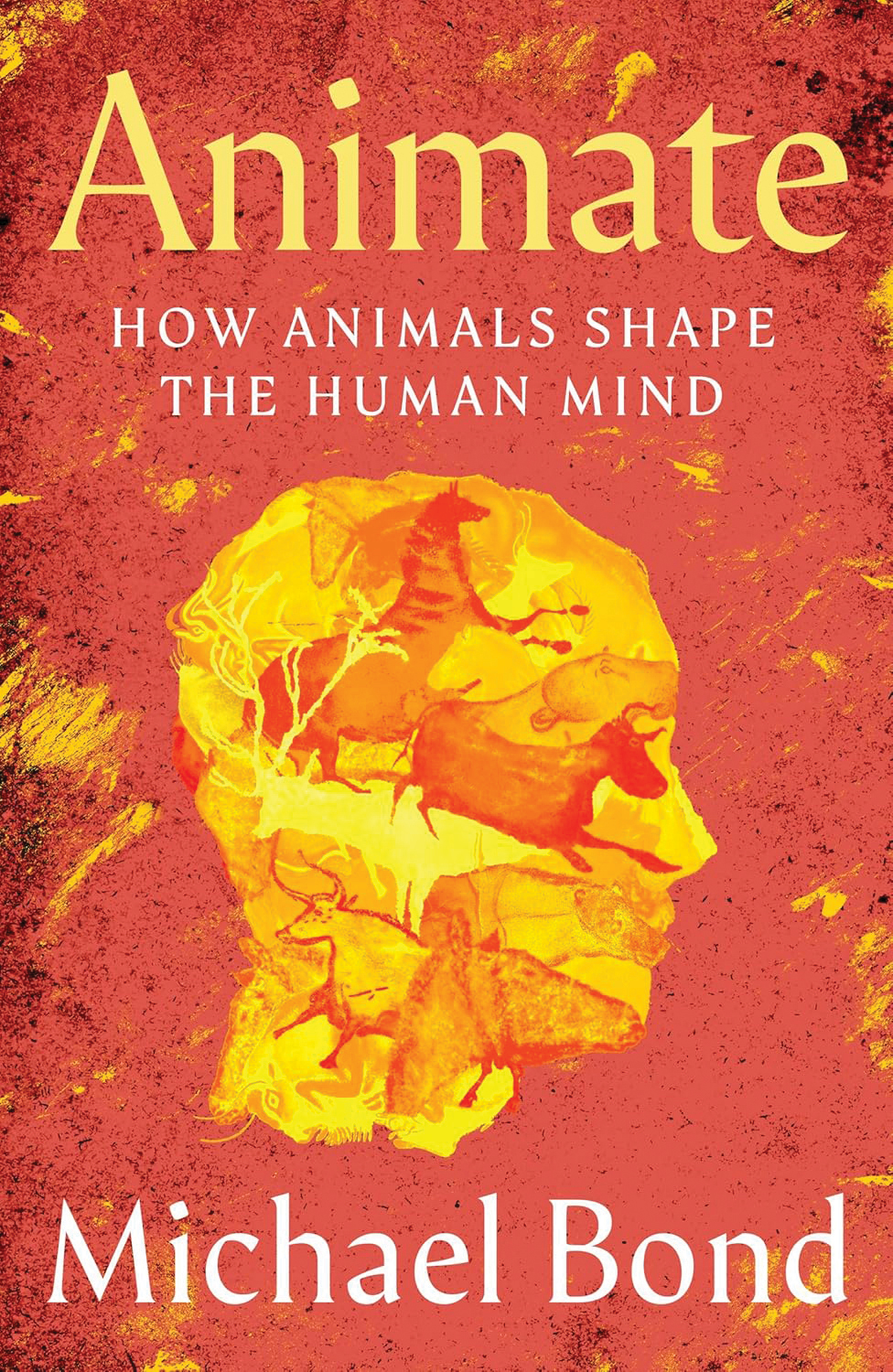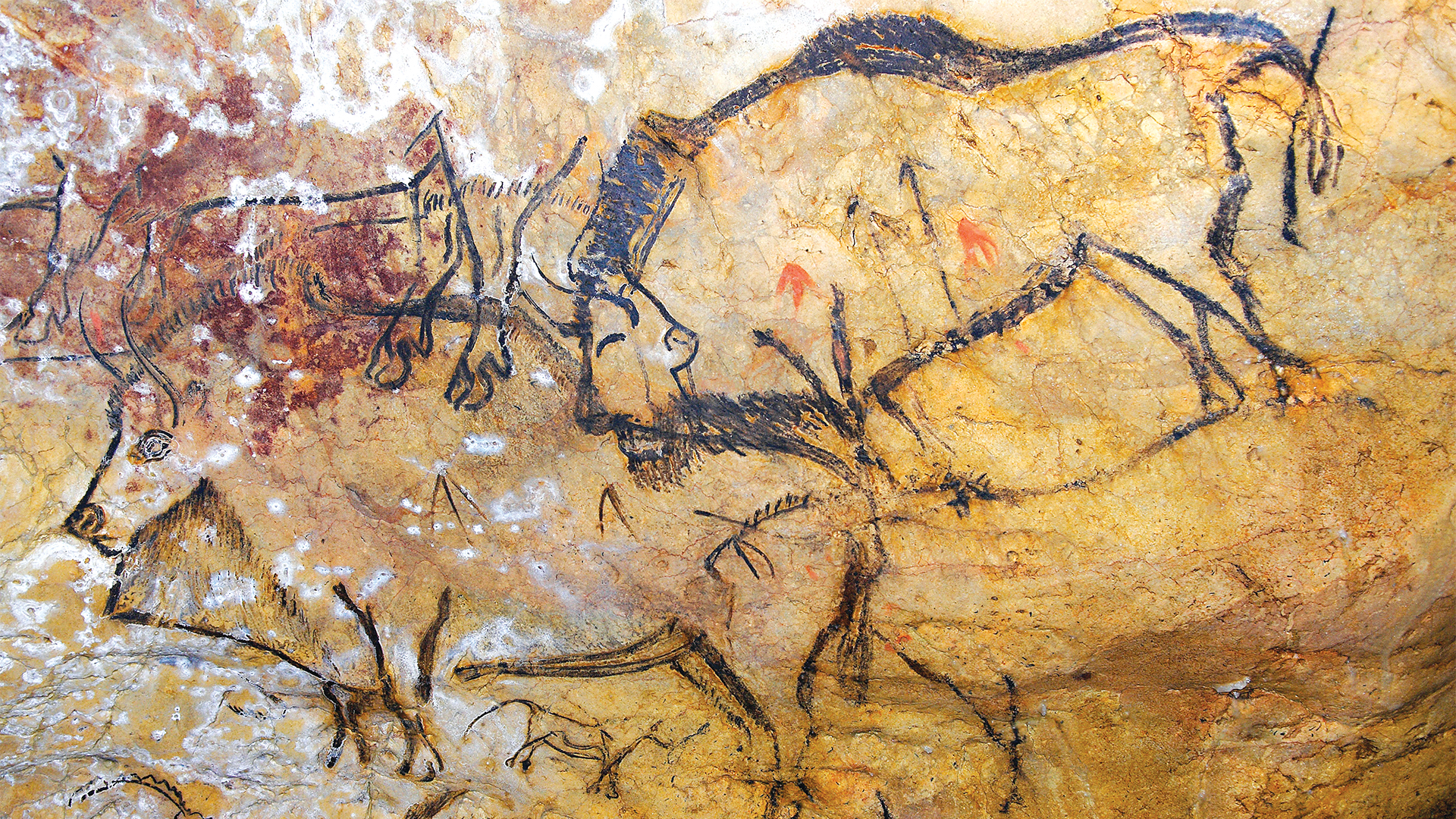
In the Pyrenean region of southern France and northern Spain, the walls and ceilings of hundreds of caves are adorned with paintings that date to between 10,000 and 40,000 years ago. The artworks are noteworthy in many ways, but one thing about them immediately stands out: they consist almost entirely of animals.
The paintings are sophisticated, vivid and often affecting. We do not know who made them, why they did it and what the art means. But we can be fairly sure, given the care with which the artists immortalised their subjects, that they thought deeply about the woolly mammoths, horses, bison, woolly rhinoceros, ibex, reindeer and other animals with whom they shared their lives, and that the animals were important to them.
Get the latest news and insight into how the Big Issue magazine is made by signing up for the Inside Big Issue newsletter
Today, our attitudes towards animals, and towards the natural world in general, could hardly be more different. For the last few thousand years we have thought of ourselves as biologically, cognitively and morally distinct from other species and, by implication, superior. We have given ourselves permission to subjugate nature, and to use it as a means to our ends.
This kind of anthropocentric thinking has been disastrous for most non-humans and for entire ecosystems. Unsurprisingly, many of us are troubled by it, even as we buy into it. Our view of other species is fraught with tension and ambiguity. We consider them lesser beings, a position that has become part of how we describe both them and us. An animal is an insult, the quintessential “other”.
At the same time, we covet their qualities – the elephant’s memory, the eagle’s eyesight. They are indispensable to us as emblems, metaphors and expressions of our identity. Less obviously, anthropocentrism has been used as a pretext to enforce divisions among people. The human-animal divide has spawned a human-human divide.