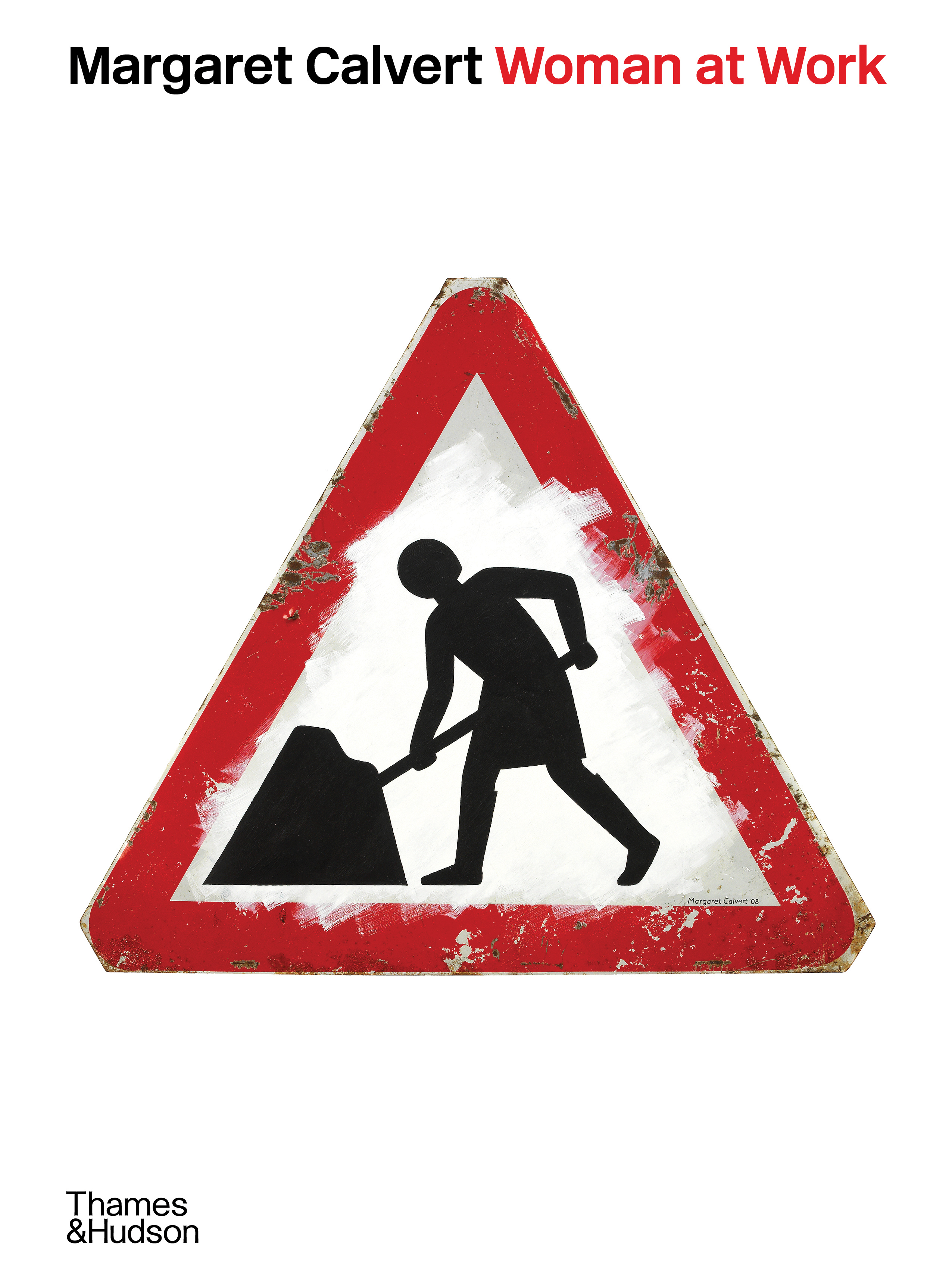
Are Margaret Calvert and Jock Kinneir the most-seen but least-known artists in the UK?
We do not treat road signs as anything more than instructional, yet they deserve greater scrutiny and applause as exceptional pieces of design and draftsmanship
by: Eamonn Forde
15 Feb 2026
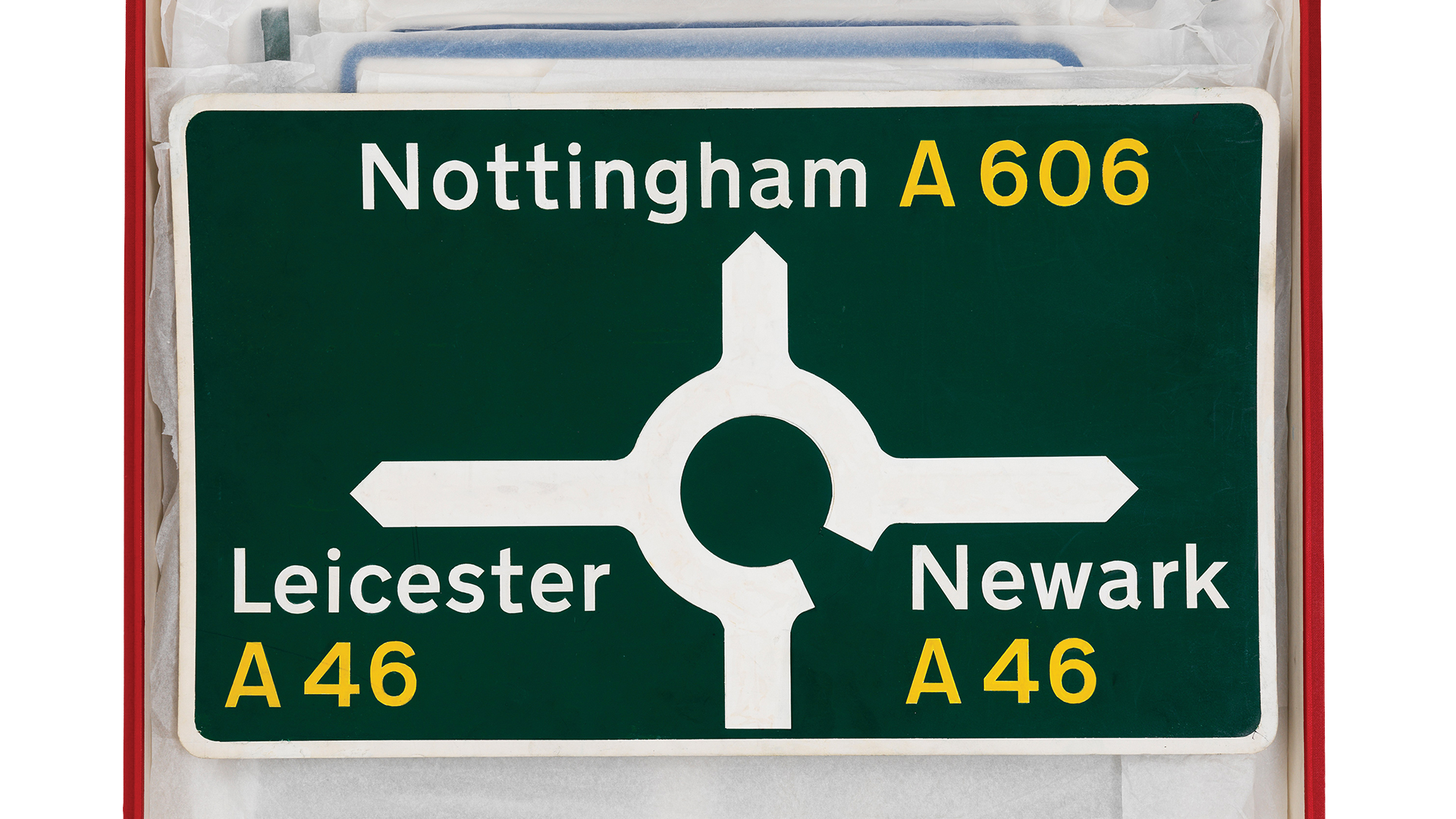
Hand-produced road sign maquettes, late 1950s. Image: Margaret Calvert
Share
Within the mundane and the functional lies a powerful and profound beauty. Due to their ubiquity, we view road signs as little more than a form of unremarkable shorthand telling us something, but not thinking of how it tells us this. Road works ahead. Reduce speed now. No entry.
Yet like Harry Beck’s elegant designs for the London Underground – which when they first appeared, astonishingly, were seen as too radical – road signage compresses a great deal of information into tightly structured symbols that we take for granted. Such is their subconscious power that we do not treat them as anything more than instructional, yet they deserve greater scrutiny and applause as exceptional pieces of design and draftsmanship.
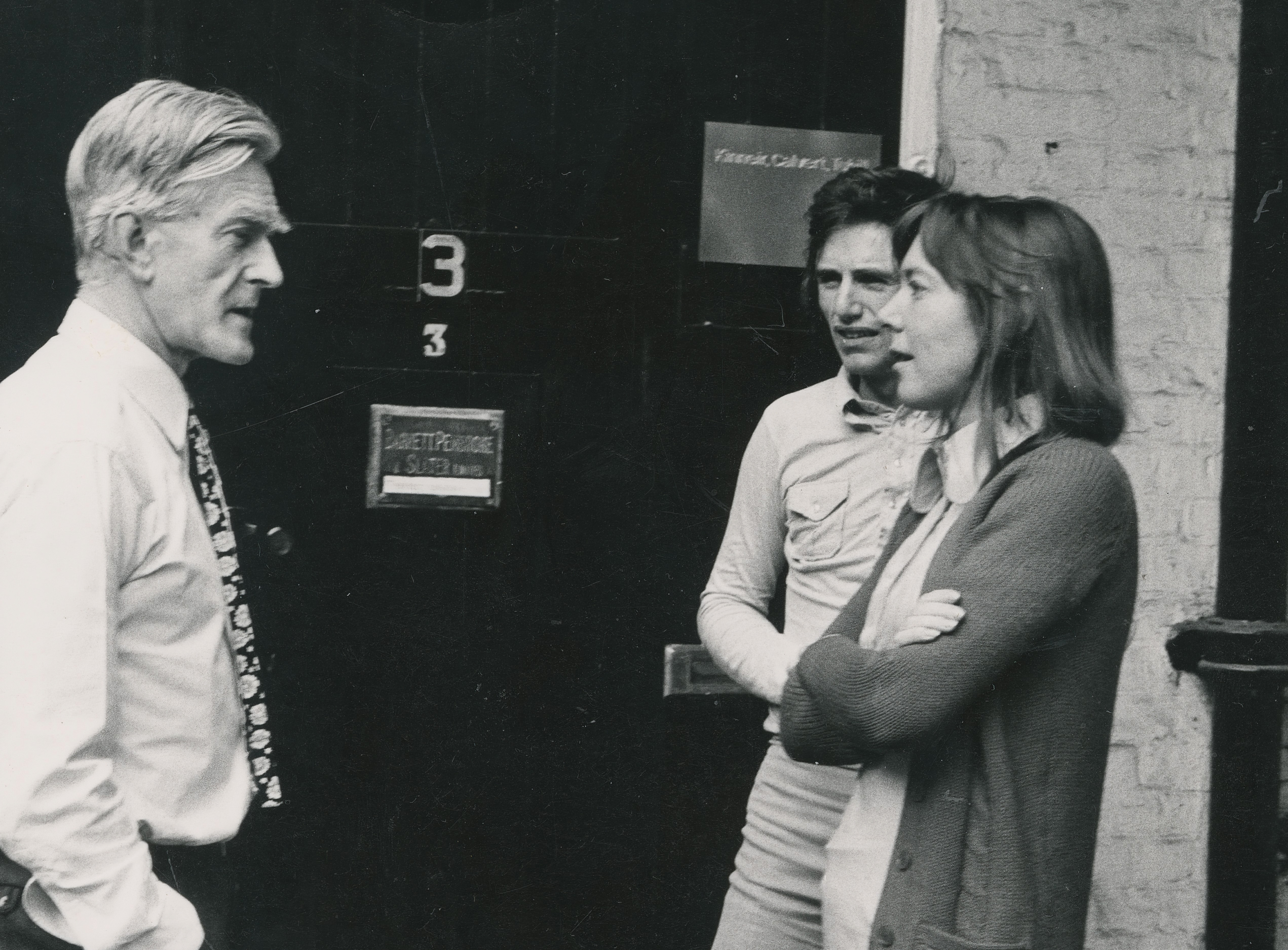
Jock Kinneir, David Tuhill and Margaret Calvert in the early 1970s. Image: Margaret Calvert
Margaret Calvert and Jock Kinneir are arguably two of the most-seen but least-known artists in the UK, having conceived and designed many of the pictograms and typefaces that still exist on many road signs around the country. Calvert’s designs, simultaneously simple and complex, are now gathered together in a new book, the gloriously titled Woman at Work.
Image: Margaret Calvert
Calvert was born in South Africa in 1936 and moved to the UK in 1950, later studying illustration and printmaking at Chelsea College of Art. In the 1950s and 1960s, her work with Kinneir started appearing along the nation’s roads, notably the new motorway network, those futuristic routes that started to shrink the country for us from 1958 onwards.
“With British drivers taking to the roads in unprecedented numbers in the 1950s, the existing road signs proved to be totally inadequate for traffic travelling at speed,” says Calvert of her design brief at the time.
“And it wasn’t long before the nation was following Germany, with the construction of motorways.”
Advertising helps fund Big Issue’s mission to end poverty
Advertisement
What is unique and profound about her work is that it is not intended to sell us a product or a service. Its noble and sole purpose is to create a shared visual language that cocoons us, keeping everyone safer on the roads. It quietly but firmly sets the rules for drivers and pedestrians to adhere to for the collective good.
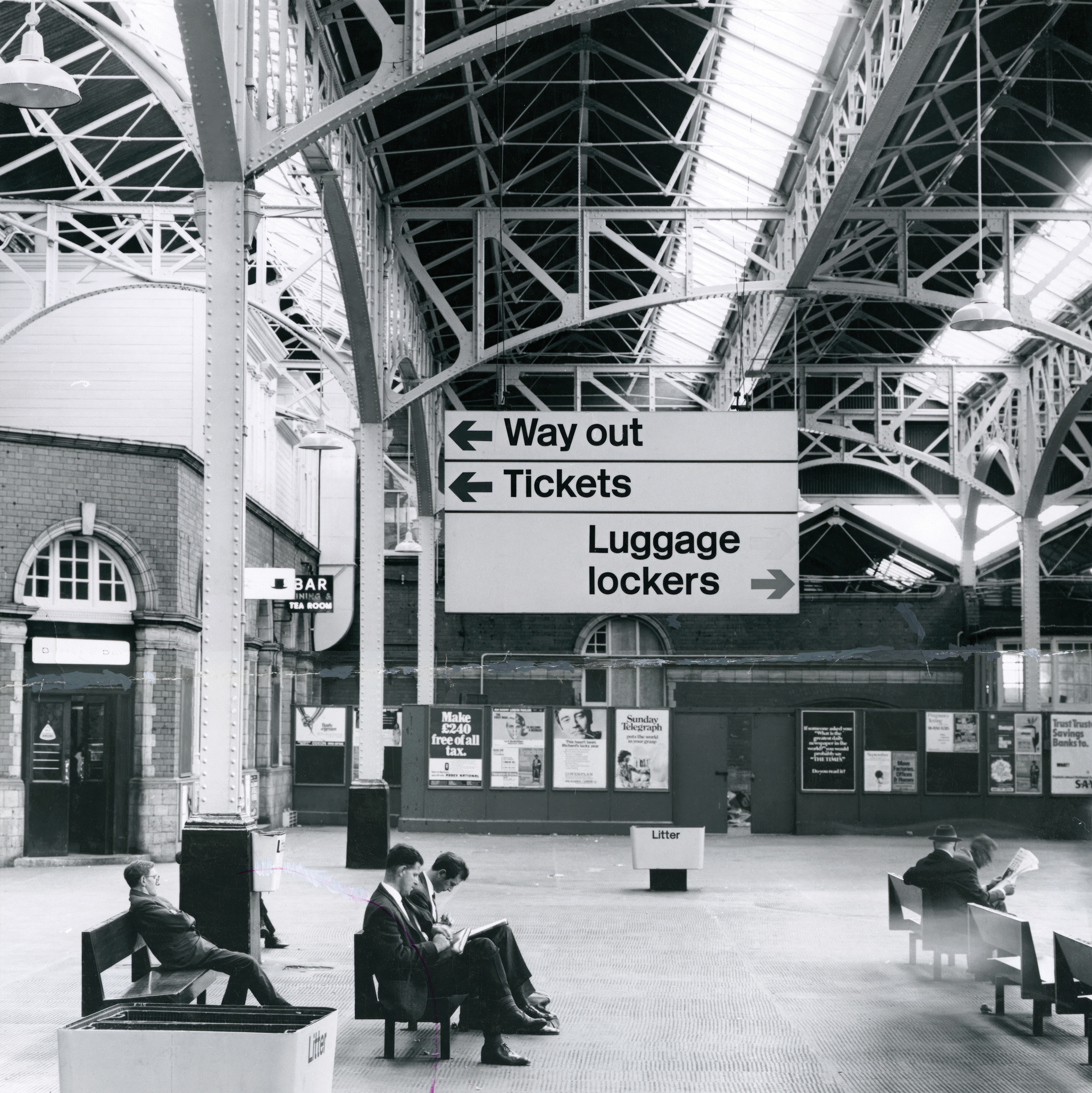
British Rail sign at Paddington Station in London, late 1960s. Image: Margaret Calvert
Her work also brought its powerful visual logic to steering travellers around Gatwick Airport and guiding commuters around British Railways stations and platforms.
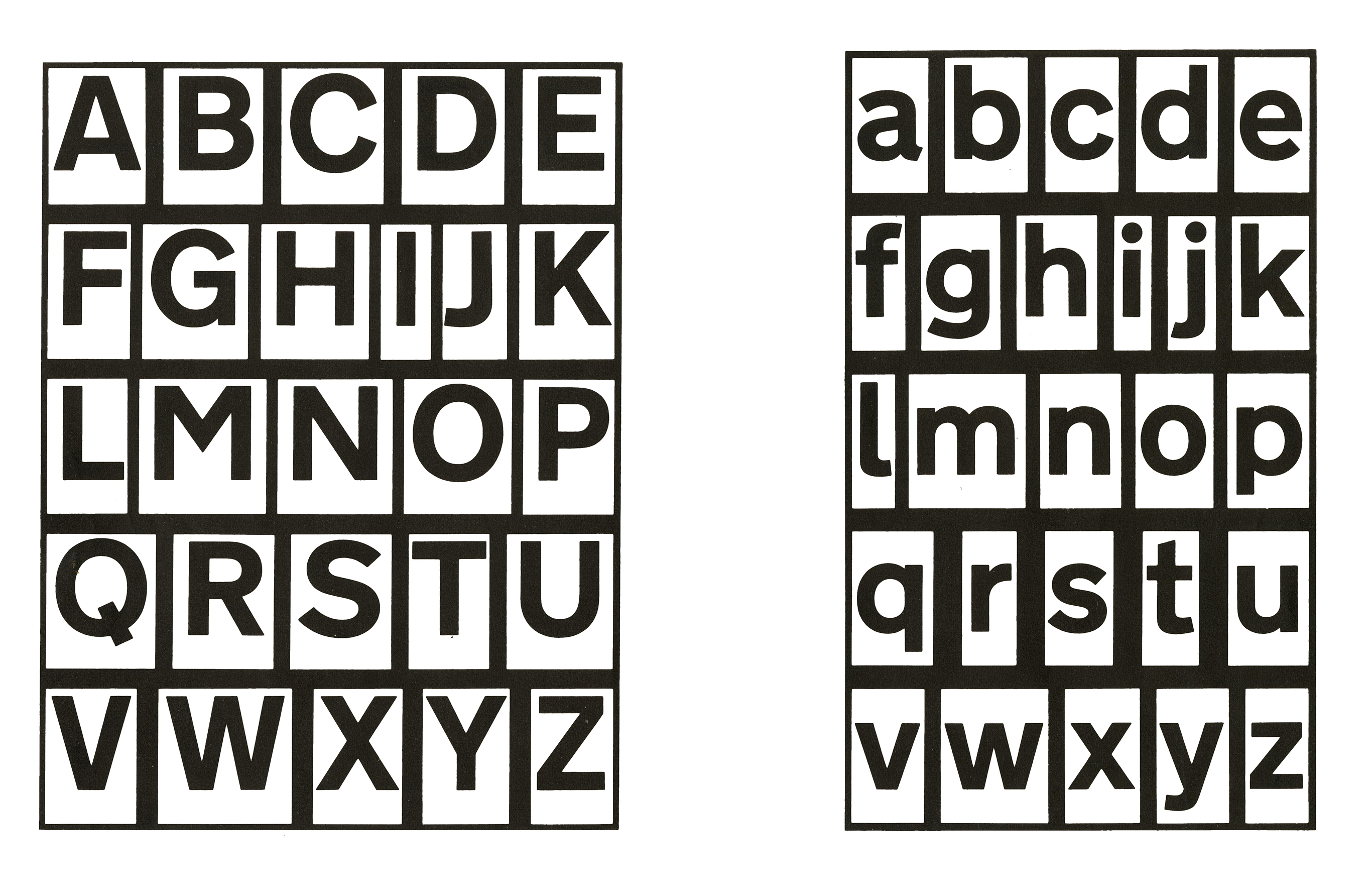
Within this broader work, Calvert and Kinneir also created the Transport alphabet and the Rail alphabet, the typefaces designed to be read at the pace of the pedestrian rather than the accelerating driver.
“You cannot go anywhere in the UK without seeing their Transport alphabet, imbued with the can-do confidence of postwar Britain,” says John L Walters, editor of design magazine Eye, in the book.
Other companies benefitting from her work ranged from P&O to hospitals, with arrows on different coloured backgrounds, all stacked on top of each other, shepherding us to the right department. She was proof that design ideals translate into any context.
Looking at her work on signage with fresh eyes, we can understand just how deeply they have seeped into society: the children holding hands crossing the road, coolly instructing drivers to slow down and be alert; a man digging out materials from the corner of a red triangle reassuring us the roads might be potholed now, but soon they will be reconditioned; white arrowed lines on blue backgrounds gently informing us where the next motorway exits will take us; white lines and curves on a green background showing us how to smoothly navigate roundabouts and junctions, with the road names standing out in yellow. Zen and the art of motor traffic maintenance.
Advertising helps fund Big Issue’s mission to end poverty
Her signage contained the shock of the new, transforming signs that previously did not have coloured backgrounds, that relied on all-caps lettering, into something less hectoring. A calm, not a storm.
There are conceptual overlaps here with Andy Warhol’s repurposing of consumer product design (Brillo pads, Campbell’s soup tins). Yet public spaces and transport arteries, not New York lofts humming with superiority or hushed white-walled galleries, are where Calvert hung her canvases.
Transport lettering in caps and lowercase, early 1960s. Image: Margaret Calvert
We can see her work impacting directly on pop music. There is Peter Saville and much of his design work for Factory Records and The Haçienda, recontextualising heavy industry design as countercultural rallying points. Or the reissued covers for several Kraftwerk albums, notably the minimalist white lines on a blue background for Autobahn (a callback to Calvert’s inspiration for her UK motorway signs in the 1950s).
We also see the intricacy of her pen work, with excerpts from student sketchbooks flitting across nudes as well as an array of animals, echoing her South African upbringing, with crocodiles, armadillos, ring-tailed lemurs and impala all making cameos.
The mark of great design is that the thought and the sweat behind it becomes invisible to the user. This is the same philosophy that steered Jonathan Ive through his work on consumer products, notably his time at Apple refining the iMac, the iPod and the iPhone.
Advertising helps fund Big Issue’s mission to end poverty
“Design for me is a process,” Calvert says of her work. “It’s head, heart and hand, basically. It’s about improving things.”
Brilliant design should feel like it has somehow always existed. The genius of Calvert is in making her work impervious to fashion or short-lived trends. Its simplicity and elegance is why it endures. It performs its myriad duties neatly, the beautiful architecture of the quotidian becoming a form of populist perfection.
Woman at Work by Margaret Calvert and Adrian Shaugnessy, is out on 12 February (Thames & Hudson, £60).
You can buy it from the Big Issue shop on bookshop.org, which helps to support Big Issue and independent bookshops.
Advertising helps fund Big Issue’s mission to end poverty
Buy from your local Big Issue vendor every week – and always take the magazine. It’s how vendors earn with dignity and how we fund our work to end poverty.