It’s reasonable to assume that no one these days, apart perhaps from the most pig-headed fans of hack jokes and received wisdom, regards Ringo Starr as anything less than a great drummer with an instinctive knack for enhancing a song. A characterful player and unique stylist who never knowingly drew attention to himself, he was the perfect drummer for The Beatles, and therefore the perfect drummer. QED.
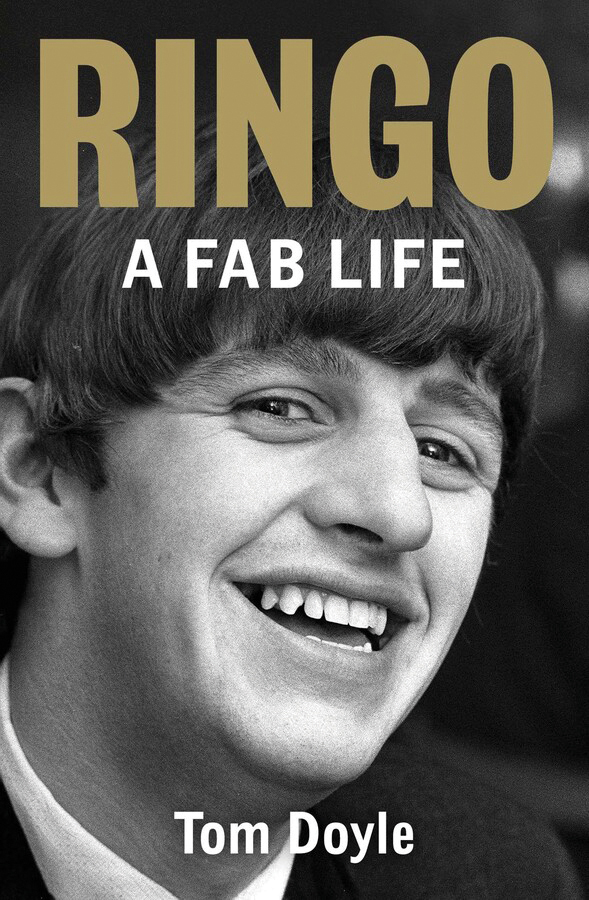
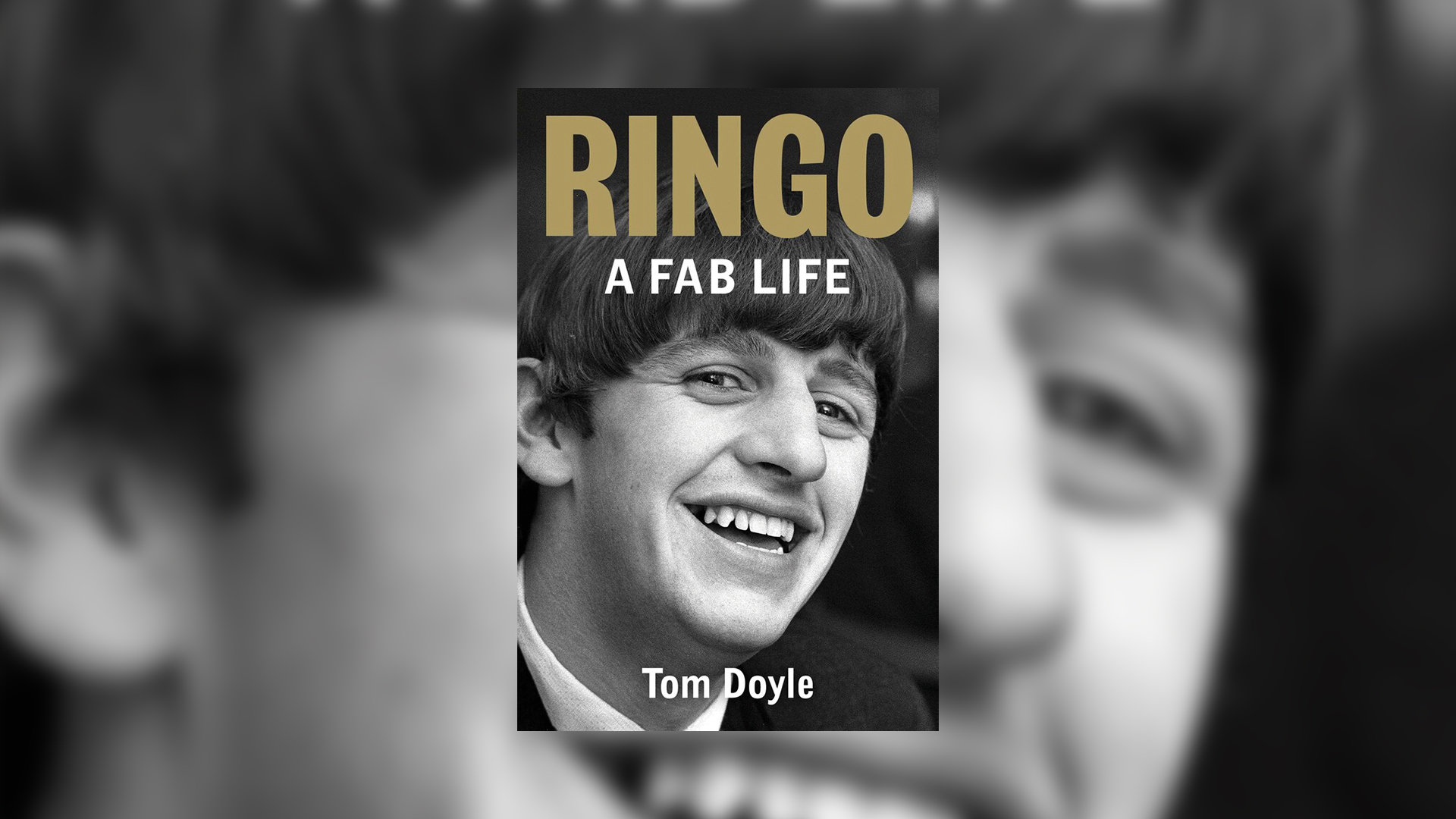
But as Tom Doyle observes in Ringo: A Fab Life, his engrossing, affectionate and well researched biography of Sir Richard Starkey, maybe we’re still guilty of treating him as a two-dimensional caricature. Good old Ringo, the jovial, lovable, unpretentious, easy-going clown. The happy-go-lucky everyman Beatle.
And while that persona is certainly true to an extent – Doyle rarely refers to his subject as “Starr”, as it’s just too jarringly formal – the book reminds us that Ringo endured a traumatic childhood scarred by life-threatening illnesses. Doyle is no glib armchair psychologist, but he clearly illustrates that Ringo’s adult anxieties can be traced back to his difficult formative years.
A sensitive character prone to self-doubt, he was the first Beatle to leave – albeit briefly – when that surrogate family became dysfunctional in 1968. All he ever wanted to do was play drums with his friends. Doyle emphasises that simple, touching fact throughout.
His bleak account of Ringo’s post-Beatles descent into alcoholism is a valuable corrective to anyone who thinks those Brandy Alexander Hollywood years were remotely amusing. When Ringo and his wife Barbara Bach enter rehab in the late ’80s, the last few chapters/decades unfold serenely. They’ve been together ever since.
You’ll also find a heroically detailed deep dive into Ringo’s erratic film career. For that reason alone, Doyle deserves a medal.