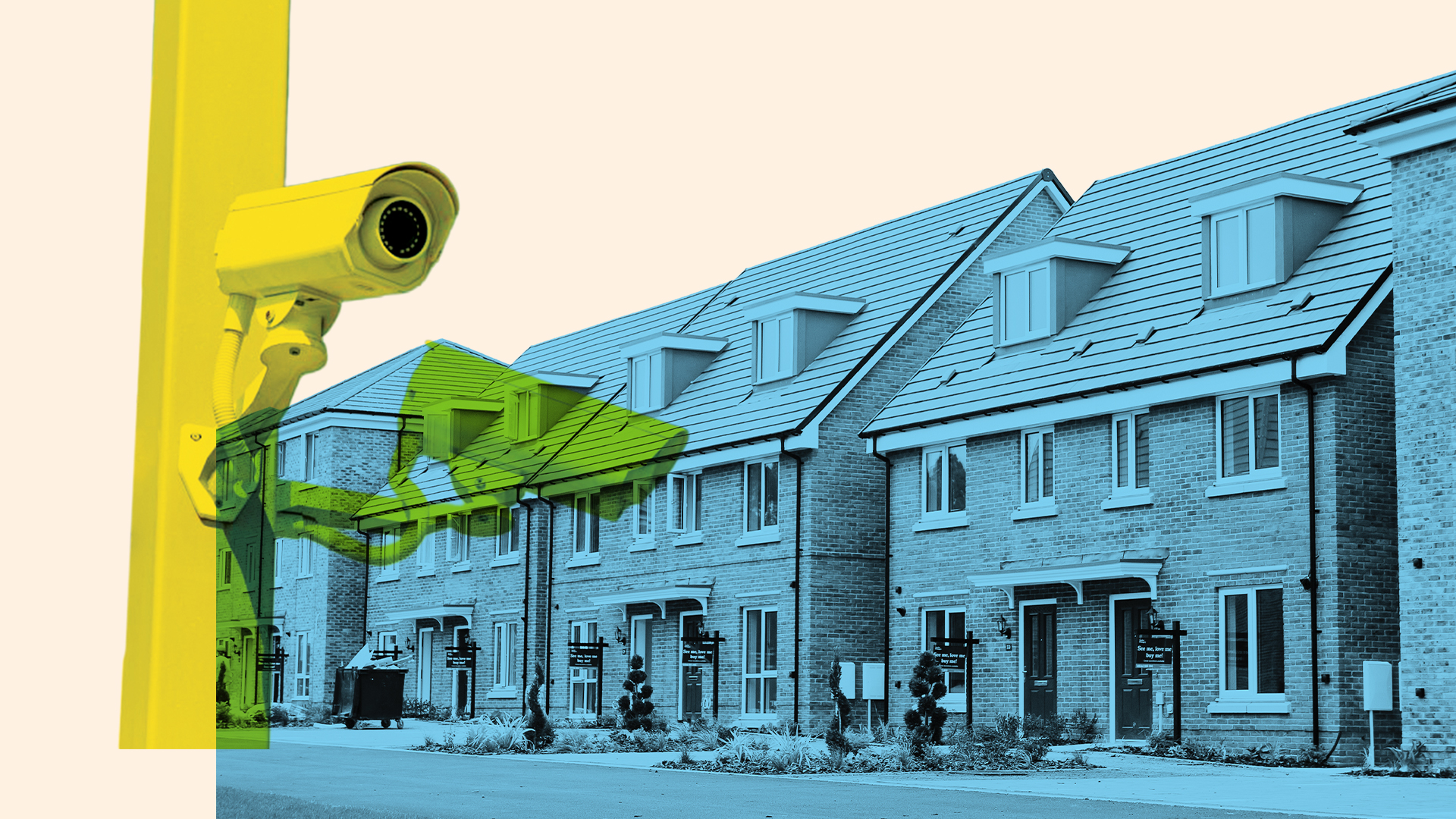
Gossip, Neighbourhood Watch, Ring doorbells: suburbia has always been in love with surveillance. Growing up in the suburbs it was almost impossible to go off grid, because unlike the city there was no sense of anonymity there. Someone always knew who I was, knew my parents, or someone who went to my school.
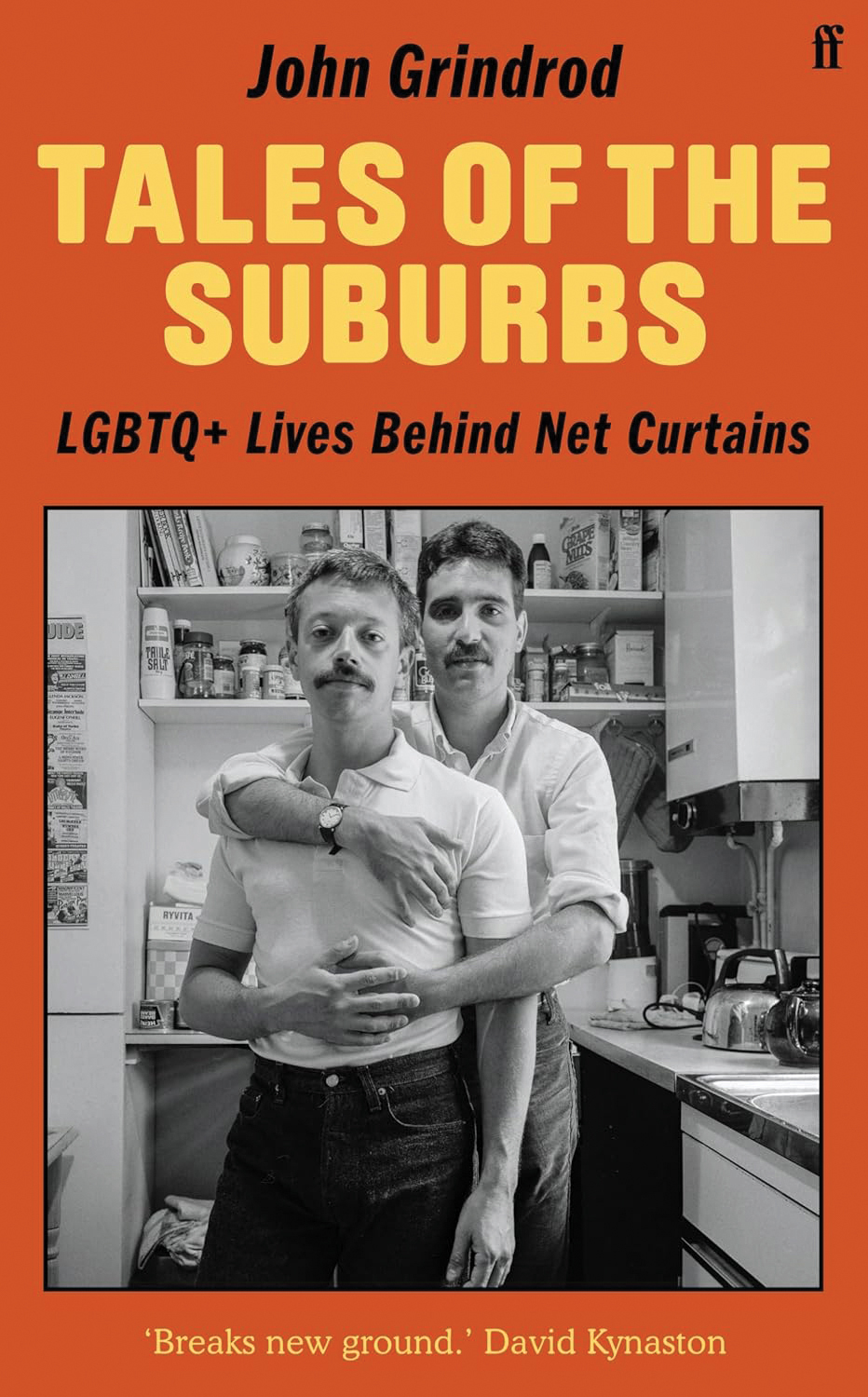
It’s not easy to be yourself in a place that observes you all the time: where everyone seems to know more about you than you do yourself. As a child of Croydon, I’ve always been obsessed with suburbia, so much so I’ve written a book about it. Tales of the Suburbs: LGBTQ+ Lives Behind Net Curtains combines interviews and archive research to show the ways in which the 20th-century suburb shaped and policed us. Often it’s through being watched.
Get the latest news and insight into how the Big Issue magazine is made by signing up for the Inside Big Issue newsletter
Going back to the start of the 20th century, people tell of being the subject of gossip in the post office and local police station as much as by their neighbours. By the ’70s, interviewees recalled the joys of vanishing into back streets and alleyways, teenagers evading their parents as soon as they left the house. But so often their behaviour, be it hanging around with ‘undesirables’, wearing nail varnish or even reading a book in public, would be reported back by nosy neighbours.
Yet for every person in suburbia cowed into conformity, there’s another who sees it as a stage on which to show off: with statement doors, excessive gardens and outrageously camp décor. They bring life to our cul-de-sacs and crescents. Not necessarily through the appropriateness of their design choices, but by giving permission for the rest of us to gawk, gossip and judge.
Neighbourhood Watch put nosiness on an official footing. Police officers brought the idea from the US in 1982. Five years later 42,000 schemes had sprung up across the country. Margaret Thatcher told her local group in Finchley she admired how they’d shifted the emphasis from costly nanny state to freelanced nanny public. Go, suburban Stasi!