Should we still be talking about racism? The last few years have been economically brutal for many. The cost of living has increased sharply as has unemployment. What was originally called a ‘crisis’ has become routine. With inflation peaking at 11% and wages often lagging behind, many British households are living harder, poorer lives. Maybe, considering all this, racism is no longer that important.
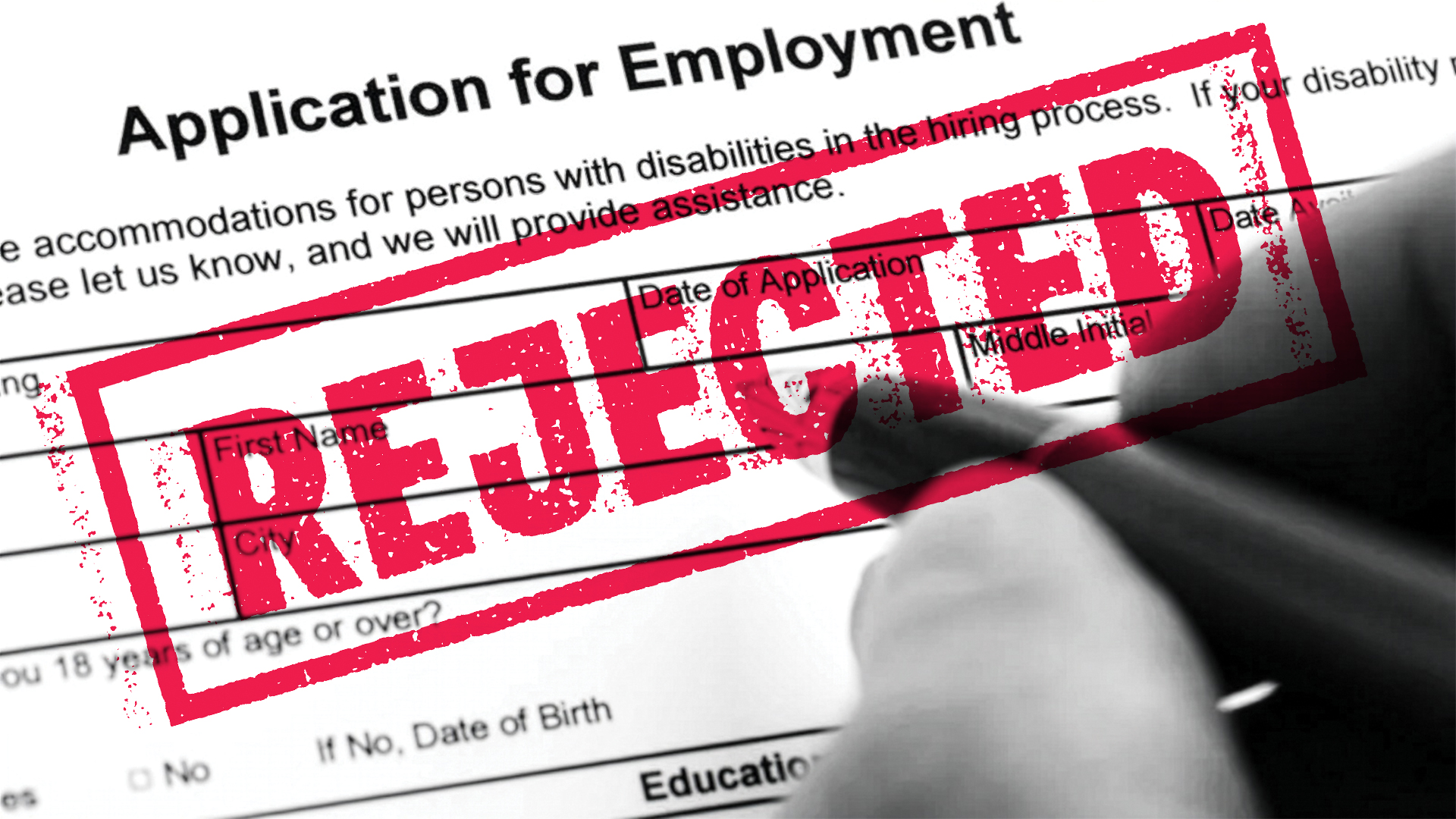
Or maybe it still is. While many people across the UK are having a hard time, racism remains the reason why some are having a harder time than others. What’s the evidence? In a 2019 experiment, Valentina Di Stasio and Anthony Heath applied for approximately 3,200 jobs in the UK using CVs that were almost identical except for one thing: the name (and thus the apparent race) of the applicant.
But since the CVs were otherwise equivalent, all the applicants still had about the same success rate, right? Wrong. Di Stasio and Heath found race had large, reliable effects on applicants’ likelihood of being selected for an interview. White, British-sounding names had a success rate twice as high (24.1%) as equally qualified black-sounding names (12.3%).
Get the latest news and insight into how the Big Issue magazine is made by signing up for the Inside Big Issue newsletter
Many other studies have found the same thing. Indeed, Heath and Di Stasio also published a meta-analysis of 43 similar British experiments. They found that racial discrimination was “substantial and highly significant”, noting, for example, that “black Caribbean applicants had to make about 50% more applications than their white British counterparts in order to receive a positive response”. The scientific evidence is irrefutable; racism still matters in the job market.
Of course, many people face unique challenges that aren’t about race. A 2003 study by Devah Pager used similar methods to test the effects of criminal records as well as race. Pager found that white applicants with a criminal record were much less likely to be called to interview (17%) than otherwise equivalent white applicants without a criminal record (34%). The discrimination was clear.