Get the latest news and insight into how the Big Issue magazine is made by signing up for the Inside Big Issue newsletter
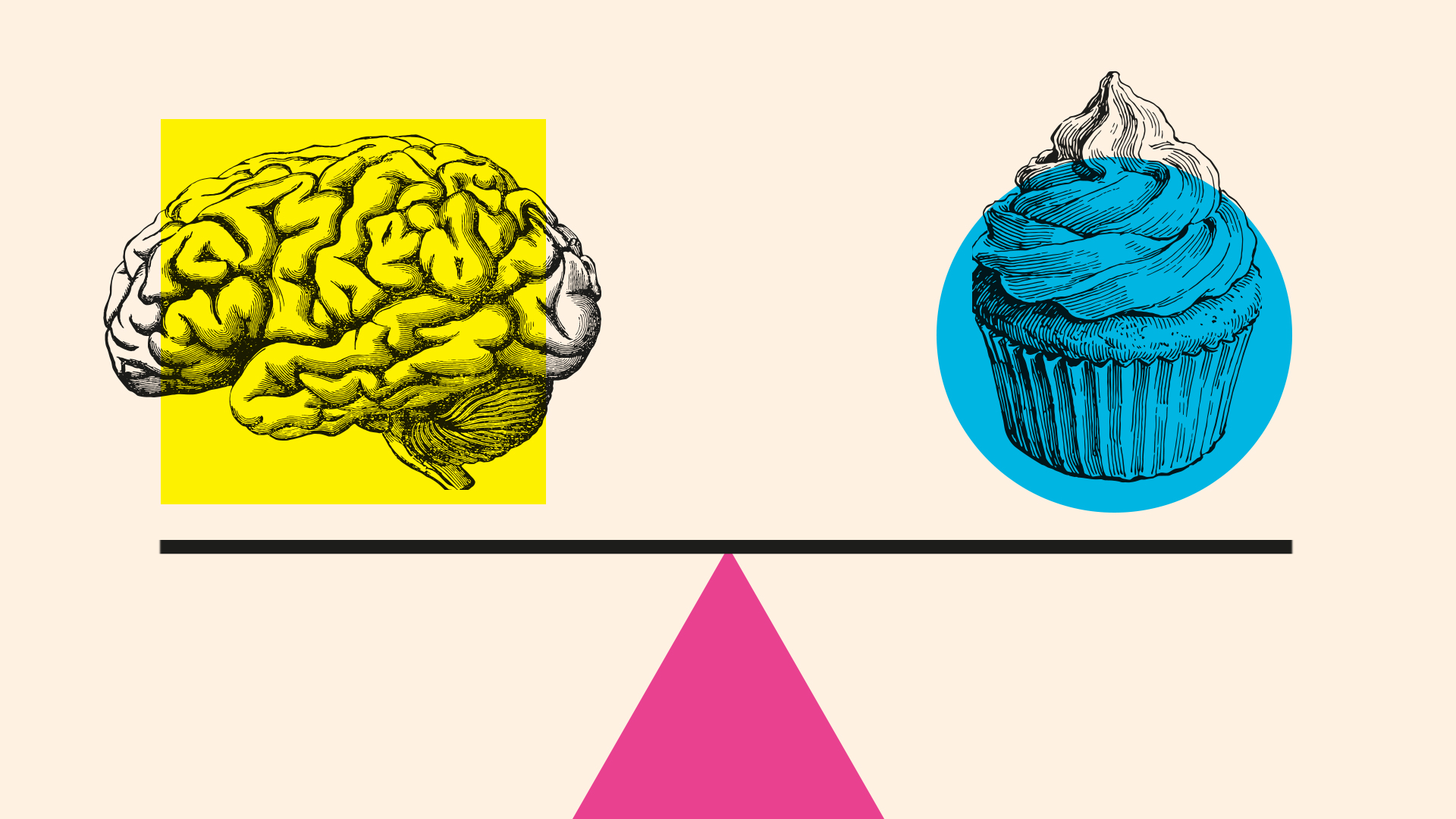
Imagine that for breakfast you ate a three-egg vegetable omelette with cheese, which contains perhaps 500 calories. The omelette will keep you full at least until lunch. Now imagine instead that you drank a 500-calorie Frappuccino. You’d probably be hungry 10 minutes later. The omelette and the Frappuccino provoke dramatically different hormones and have dramatically different effects on eating behaviour.
This means that some foods are more fattening than other foods. Which seems self-evident, despite the constant exhortations that ‘a calorie is a calorie’. Cookies are more fattening than broccoli. Brownies are more fattening than eggs. That’s life. The importance of controlling hunger is the key lesson of weight-loss drugs like Ozempic, which act on the GLP-1 hormones. This drug neither contains nor blocks calories. Instead, the hormones suppress hunger.
Read more:
2. Emotional (hedonic) hunger: pleasure that overrides fullness
Hedonic hunger is eating for pleasure or comfort. The emotional pay-off is the reason that dessert still looks ‘worth it’ even after a full meal. It is also the reason that comfort foods soothe our stress and boredom and bring us joy during celebrations. Ultra-processed foods are engineered for maximum reward and minimum satiety, which trigger the brain’s reward system so hard that we can’t possibly resist ‘one more bite’.
Advertising helps fund Big Issue’s mission to end poverty
3. Social and environmental (conditioned) hunger: you were trained to eat all the time
Conditioned hunger is triggered by routine and surroundings. Breakfast time. Snack time. A movie. A sports game. Conditioning is a learned behaviour. Your brain links cues such as specific times and events to rewards and behaviours, like eating. When almost every moment can trigger eating, ‘food noise’ can be the loudest voice in the room.
All of us need to stop treating hunger like a moral failure. Instead, focus on avoiding ultra-processed foods; on eating whole, natural foods that create satiety and reduce hunger. Not eating all the time allows our body to use the food energy (calories) we’ve stored away. Choose activities and friend groups that don’t involve food. Discard as many food cues as you can.
Instead of defaulting to ‘eating all the time’, develop the mindset and habits that support weight loss. When you feel hungry, ask yourself the key question: What kind of hunger is this? Physical, emotional or social? Each type of hunger needs a different toolkit. In other words, don’t bring a snorkel to a bike race.
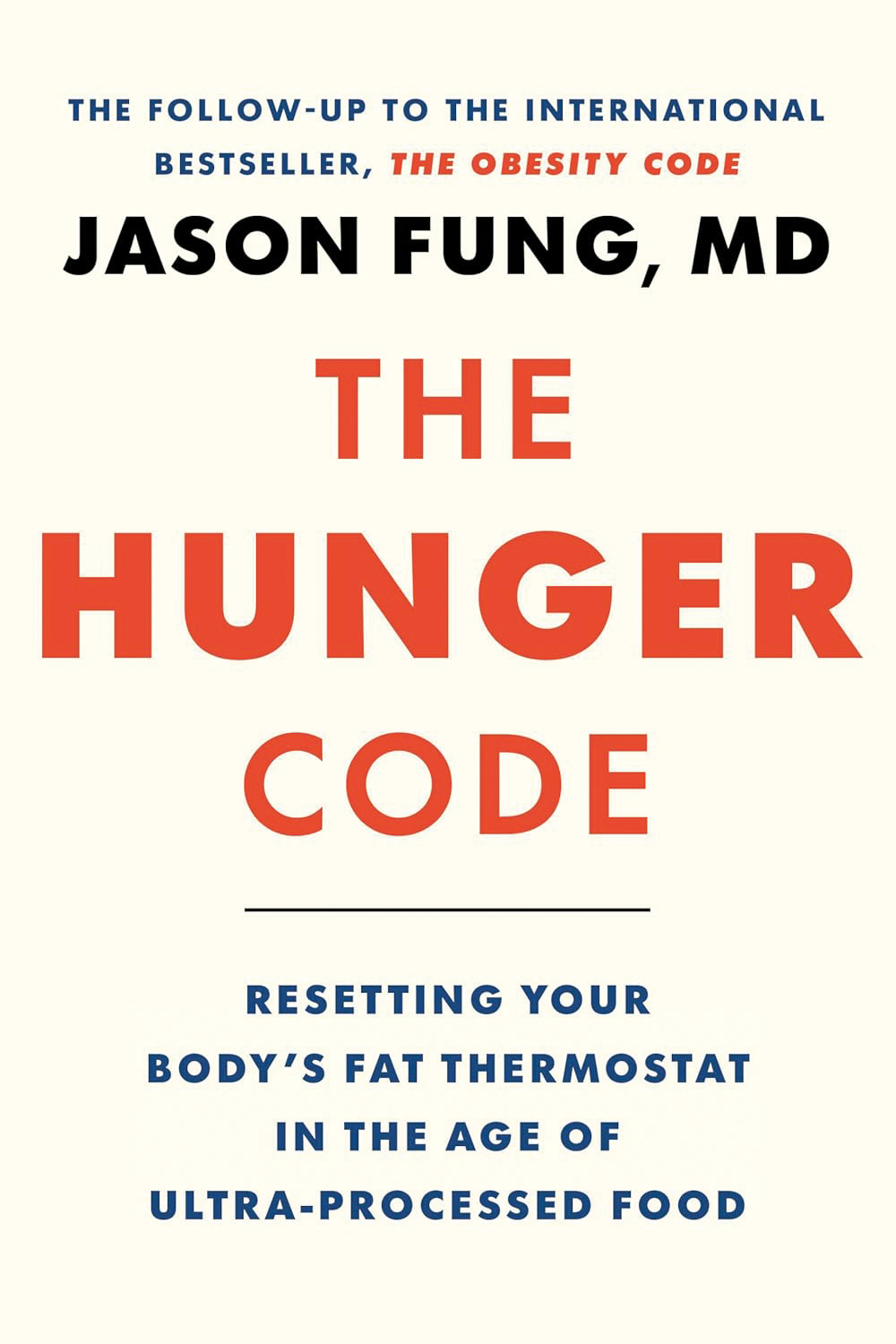
The premise behind The Hunger Code is simple: hunger is not a choice. You can decide not to eat, but you can’t decide to not be hungry. When you understand what drives your appetite, you can start working with physiology instead of against it. And once you control hunger, eating less stops feeling like punishment and starts becoming automatic. Weight loss is not maths and hunger is not a choice. Achieving a healthy weight is about understanding the different types of hunger.
The Hunger Code by Dr Jason Fung is out now (Greystone Books, £21.99).
Advertising helps fund Big Issue’s mission to end poverty
You can buy it from the Big Issue shop on bookshop.org, which helps to support Big Issue and independent bookshops.
Do you have a story to tell or opinions to share about this? Get in touch and tell us more.
Change a vendor’s life.
Buy from your local Big Issue vendor every week – and always take the magazine. It’s how vendors earn with dignity and move forward.
You can also support online:
Subscribe to the magazine or support our work with a monthly gift. Your support helps vendors earn, learn and thrive while strengthening our frontline services.
Thank you for standing with Big Issue vendors.
Advertising helps fund Big Issue’s mission to end poverty