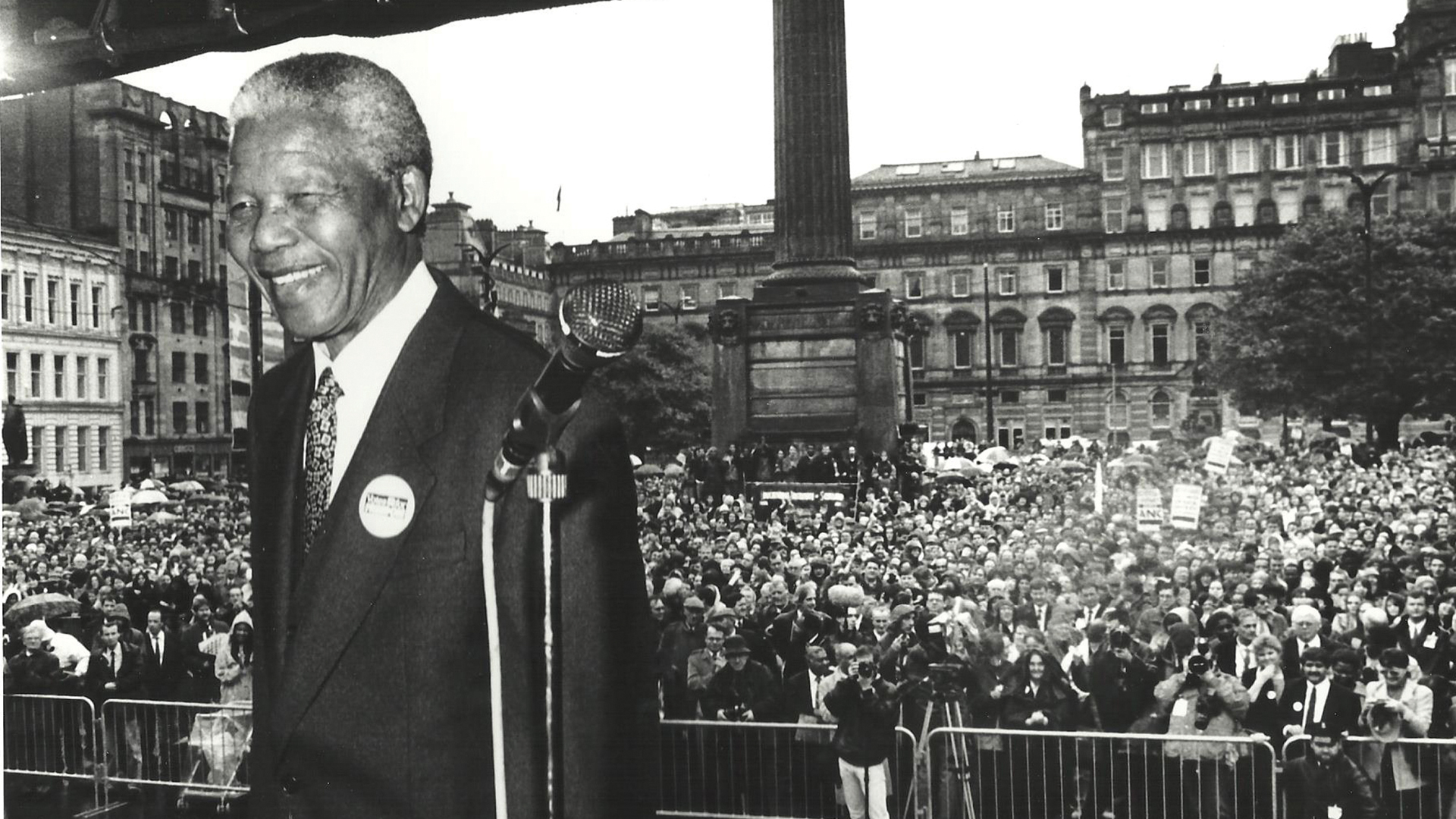
“Free Nelson Mandela. Free, free, free, free, free Nelson Mandela.” You don’t even need the tune. Just the words. People of a certain generation can still feel it in their bones. It was protest chant, pop song and political education rolled into one. Jerry Dammers and The Specials didn’t just write a hit; they helped turn Nelson Mandela into a global cause.
Rogan Productions’ new three-part documentary Free Nelson Mandela on Channel 4 understands that. Music runs through it like a pulse. Not as background noise, but as part of the machinery of resistance itself.
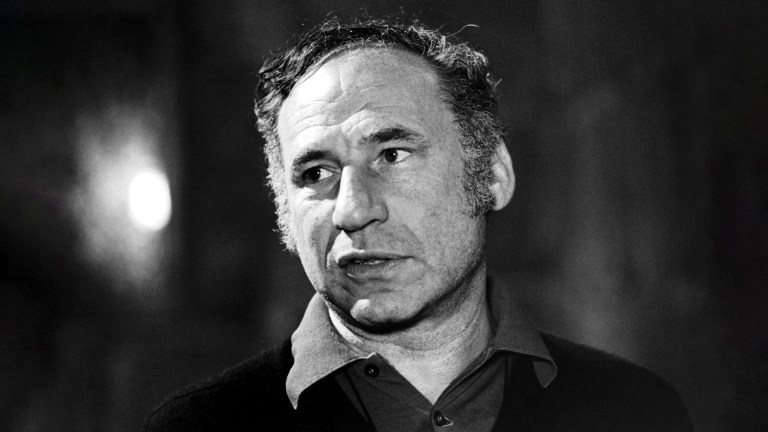
At the London premiere, Dammers played down the role of musicians in anti-apartheid activism, spotlighting people who did the hard graft, like Steve Biko and the thousands of organisers, protesters and campaigners who kept going year after year. Fair enough. History often gives celebrities too much credit.
But it’s also true that movements need culture. They need songs, symbols and stories that can travel further than speeches or leaflets. Music made people care. It gave people who had never experienced apartheid a way in. A reason to join in.
Watching the documentary in 2026 feels radical in itself. Solidarity feels thinner now. Politics has become hyper-individualised and aggressively tribal. Algorithms reward division, outrage and isolation. Collective action is harder when we are encouraged to see ourselves as consumers rather than citizens.
Which is partly why Mandela’s story still lands with such force. Now, 36 years after Mandela’s long walk to freedom, Action for South Africa (ACTSA), the Anti-Apartheid Movement’s successor organisation continues to fight the legacy of colonial power across Southern Africa. Celebrating Mandela’s journey is essential but so too is understanding what his cause would be today. How would he show up in a post-Obama, Trumpian world? That’s the work ACTSA stands on the forefront of – continuing the fight for solidarity and fairness.