In the glass-half-empty world of 2026 it can often feel as if things are getting worse and there is not much we can do about it. Actual accountability is frustratingly rare. The people and institutions that have been inflicting harm for years seem able to avoid the most basic reproach or censure, inoculated from scandal by a noxious cloud of power, privilege, influence and affluence. It is – not to put too fine a point on it – a huge bummer.
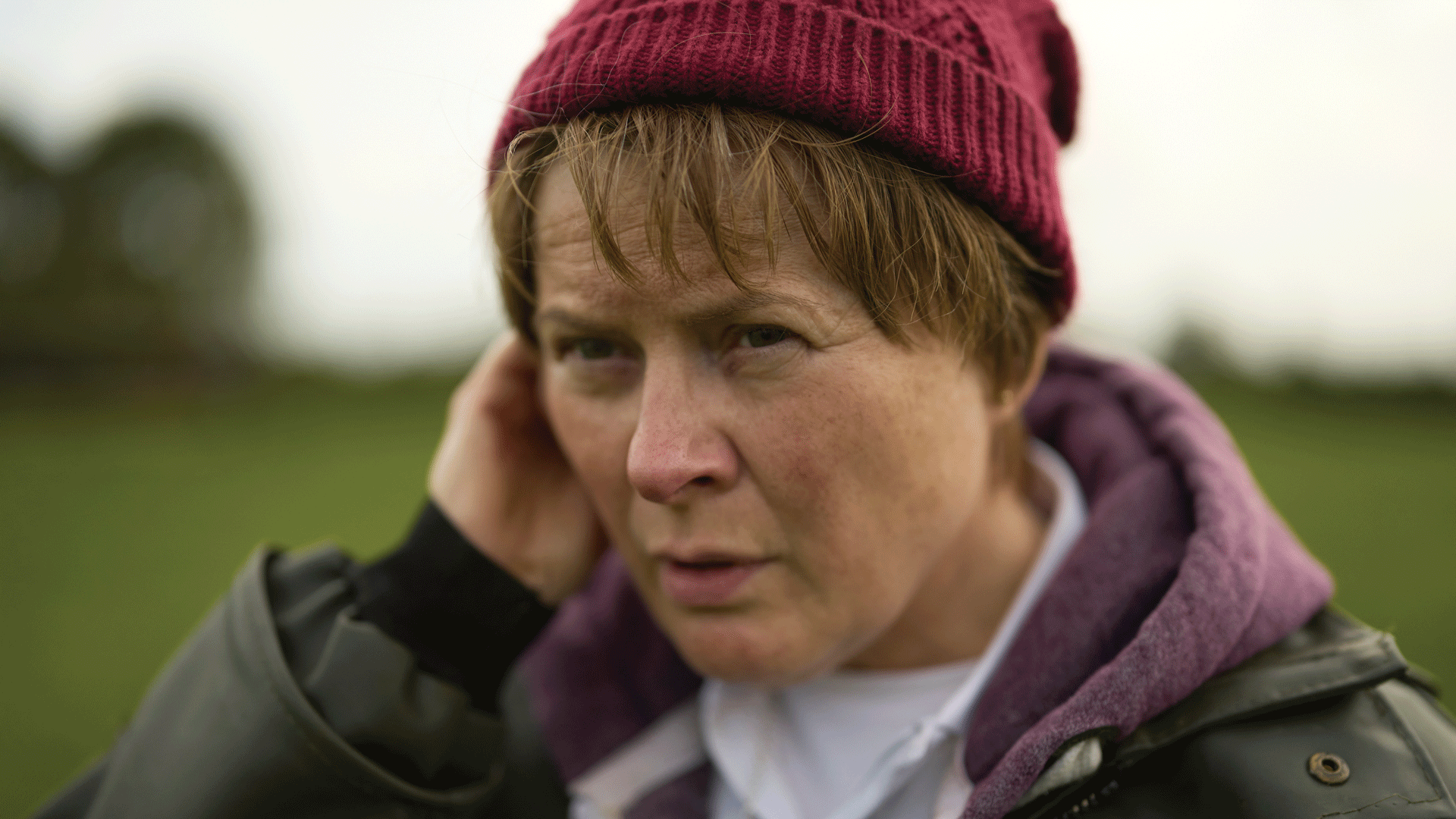
Which is why there is something life-affirming about a film like The Lost Children of Tuam, which takes a horrifying subject and shines a determined, unwavering light on it. The hero of the story – although it’s clear she would never describe herself as such – is self-taught Irish historian Catherine Corless (played by Monica Dolan), who grew up in rural Galway near the town of Tuam.
We first meet her as a 50-something in 2010; she has signed up for evening classes and is embarking on a local history project.
One potential topic dates from the 1970s, when two young boys discovered a cache of human bones in the grounds of the defunct St Mary’s Mother and Baby Home, a shelter for unwed mothers run by Catholic nuns. The local council claimed the unmarked remains must date back to the Irish famine of the 1840s.
But as Corless digs deeper into the official records, she discovers compelling evidence that the bones were discarded after the construction of St Mary’s in 1925.
So begins a laborious process of checking if each death certificate from the home can be paired with a confirmed grave. Some officials are happy to help. Other institutions, notably the Bon Secours order that oversaw St Mary’s, stonewall her requests. Talking to locals about what they might remember from the era is also inconclusive (as one pensioner ominously remarks, those were “very different times”).