Wasteman star Tom Blyth: Prison film is ‘a magnifying glass on masculinity’
To make sure Wasteman captured prison culture correctly, the filmmakers joined forces with Switchback – a London-based charity that helps young prison leavers
by:
19 Feb 2026
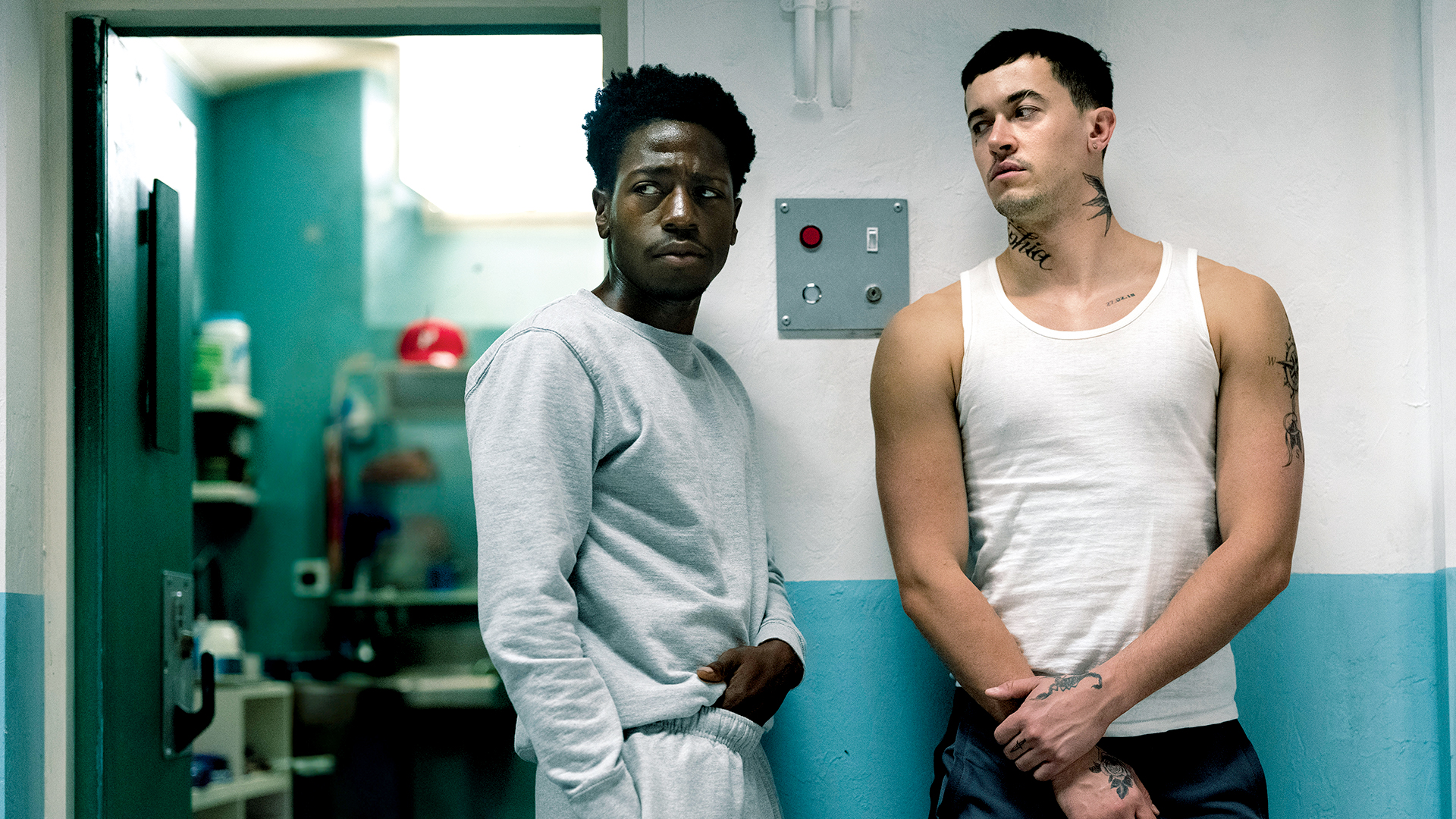
David Jonsson (left) as Taylor and Tom Blyth as Dee. Image: James A. Demetriou
Share
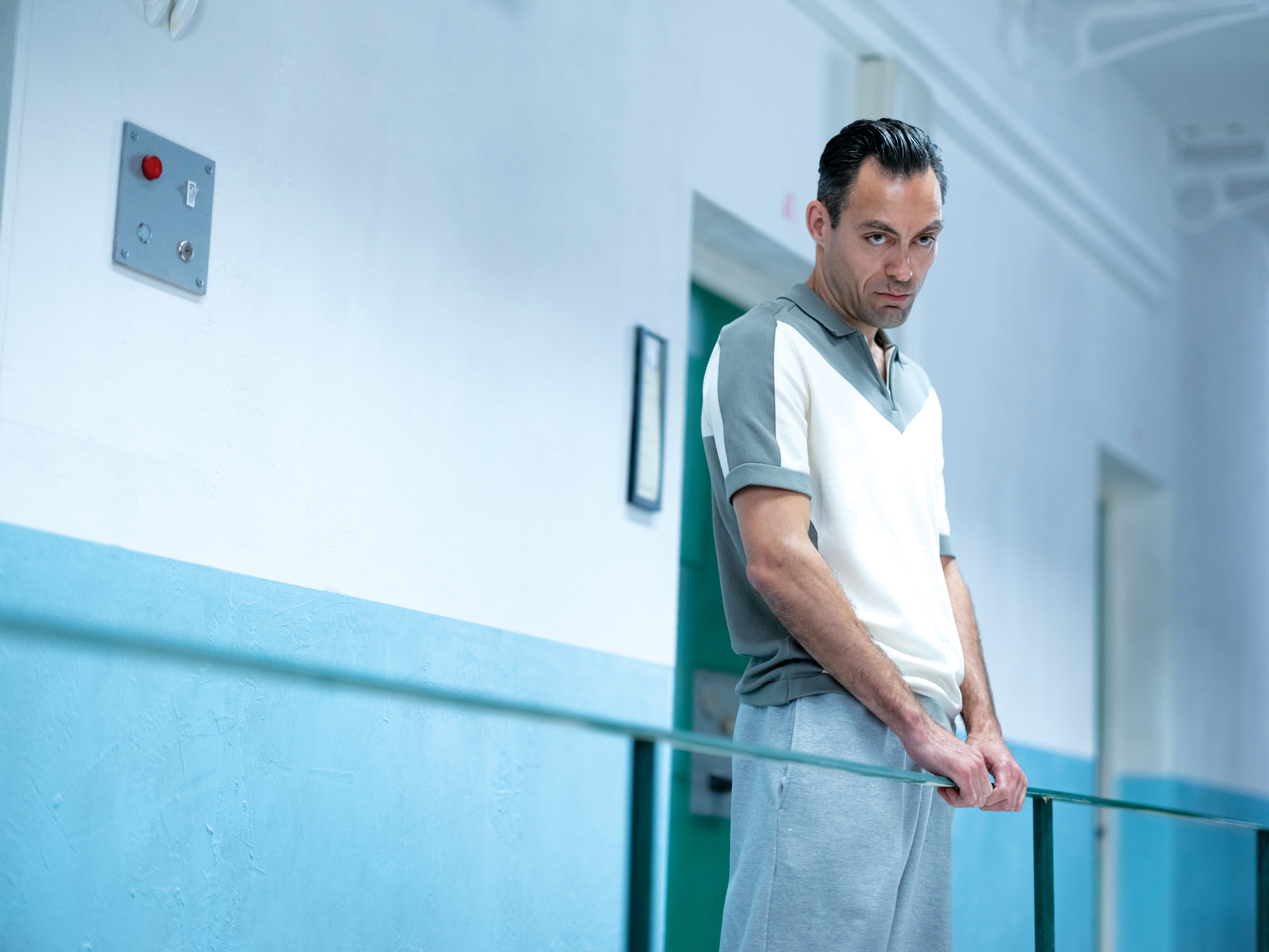
Wasteman is an uncompromising new British film, starring two of the hottest acting talents around in David Jonsson and Tom Blyth, alongside an almost unrecognisable Alex Hassell, star of Rivals.
It’s set inside a prison. As Jonsson’s character, Taylor, numbs himself to the daily grind of boredom, violence and sadness with the drugs that are freely available within the prison walls, his quiet drift towards release is disturbed by a new cellmate. Dee, who wants to be the new prison top boy and doesn’t mind making a big noise to get there. A visceral, violent depiction of the life of young men in prison, the film has already picked up a Bafta nomination for first-time director Cal McMau in the Outstanding Debut category.
To make sure they captured prison culture in an authentic way, the filmmakers joined forces with Switchback – a London-based charity that helps young prison leavers through long-term mentoring and support.
“We work with young Londoners who are returning to society after prison,” explains Switchback’s Amy Davidson. “So we have mentors who go into prisons and meet with them around three months before they’re released and then meet with them after prison for as long as it takes. We work across pathways including housing and employment offering the kind of regular one-to-one support that is missing in the prison system.
“Only 9% of our trainees – which is what we call the men we work with – reoffend, compared to the national average of around 50%. So that’s our key work, the mentoring side. And we also have our influencing side, which is more about changing perceptions and amplifying the voices of those men to make things better for people going through the system in the future. The biggest obstacle we see at the moment is that almost half our trainees were released without stable housing.”
Advertising helps fund Big Issue’s mission to end poverty
Advertisement
The consultation between Switchback and the Wasteman filmmakers began more than two years ago. Davidson describes the process as “fully immersive”, with the charity and its trainees assisting with everything from the script and the language used to the props and costumes.
Alex Hassell, who plays Paul in Wasteman, is barely recognisable from his recent role as Rupert in Rivals. Image: James A. Demetriou
“We turn down most media requests because people come in with preconceived ideas about prison, don’t consider lived experience and just want to push an existing false narrative or stereotype about the justice system,” adds Davidson.
“But Cal and the lead actors David Jonsson and Tom Blyth were really interested in engaging. They met with our trainees, who told them directly what it’s like to be in the British prison system. So David was eating out of kettles and learning how to cook like they do in prison. Both actors were so passionate about it.”
Sage is one of the young men who came to work on the film via Switchback. And, he says, he saw his suggestions make it onto the big screen.
“It was thrilling, and everything I could have imagined,” he says. “Because I was once on the other side of the law, behind bars as a prisoner. So to think my wrongdoings could be used as a positive, as lived experience on a film set, was very cool to see. Because people can do 180s and transform their lives.
Advertising helps fund Big Issue’s mission to end poverty
“One thing I wanted them to represent was the ready availability of things in prison. I said you have to have a shot of a drone [delivering contraband]. Because that is what is happening. They took on board all the corruption that goes on inside.
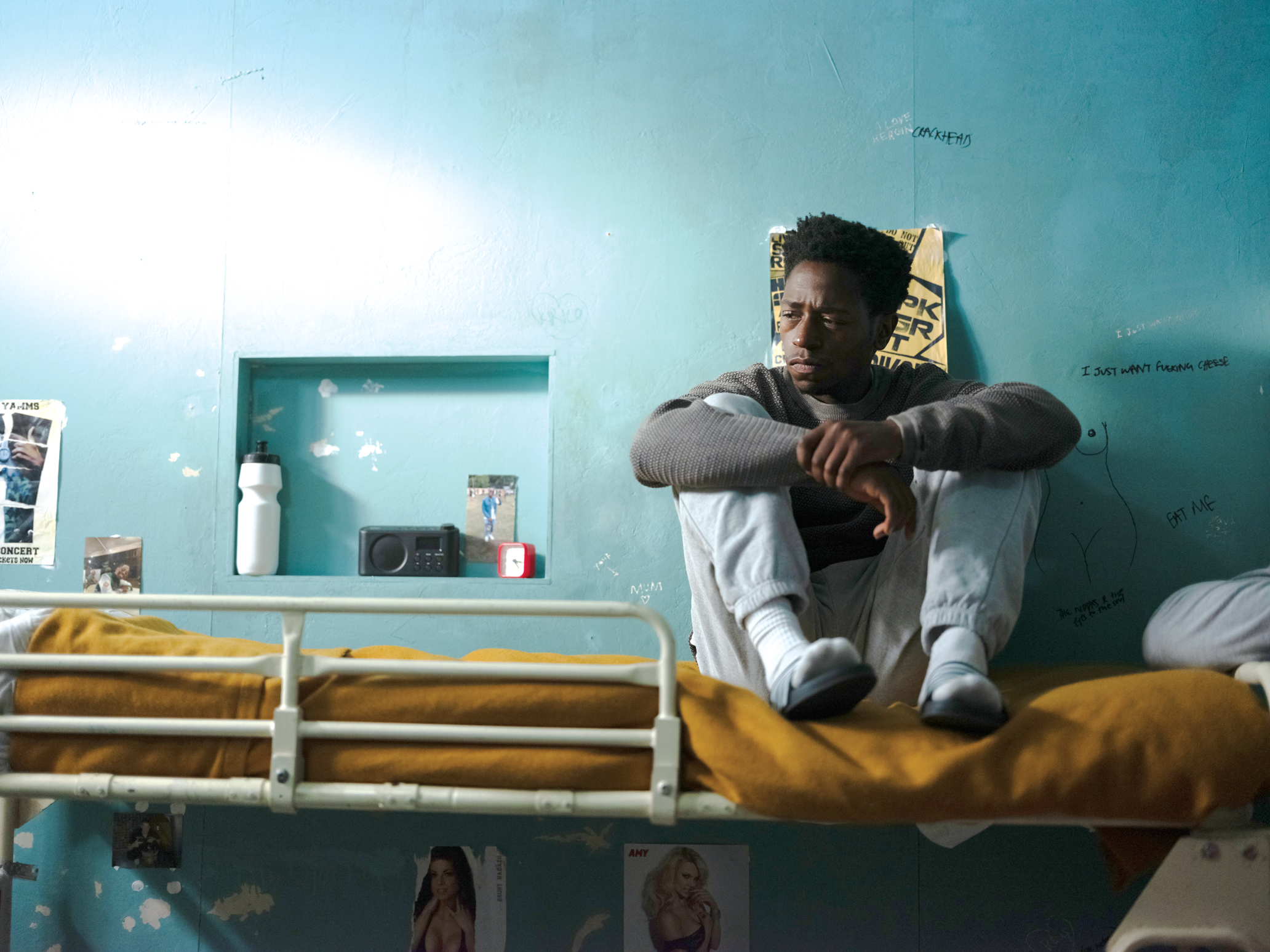
“David and Tom were very down-to-earth people. And they really brought the characters to life. In the movie, Jonsson’s cell is just empty before Blyth moves in. But Blyth is that prisoner who’s like Del Boy – he’s got every gadget, all the canteen stocked up like a shop. That’s the bit that resembles my experience the most. That cell looked like my cell when I was in jail.”
For actor Blyth, whose major roles range from hit US costume drama The Gilded Age to The Hunger Games, and Plainclothes opposite Russell Tovey, Switchback’s involvement was vital. “I can’t speak highly enough of them,” says Blyth. “They were integral to this film. They were like our bullshit barometer, making sure even though we were making this big, bold thriller with a lot of action and violence, it always felt grounded in reality and authenticity and like it was honouring the stories of the people we were reflecting.
“We need more Switchbacks in the world bridging that gap between people who have gone through the prison system to getting back on their feet on the outside, who need a place to go to feel seen and have infrastructure to help them when they need it.”
Blyth’s performance as Dee is startling. As soon as he crashes into Taylor’s cell, there is an explosive energy in every scene.
“Cal told me he wanted this guy to take up space in the room, to suck up all the oxygen – not just because he’s always the loudest, but because of the way he occupies space,” says Blyth.
Advertising helps fund Big Issue’s mission to end poverty
Jonsson’s character, Taylor, numbs himself to the daily grind of prison with drugs. Image: James A. Demetriou
“He enters any room with the mentality of someone who will never back down. Cal said early on, I want you to live and breathe it on set, to feel how Dee does in the cell. He said, I don’t care if you are a bit abrasive or obnoxious – if it brings that energy to Dee, then we’ll forgive you!
“I found it hard. I don’t think anyone on the crew should have to have a shit day at work because I’m committed to my craft. But we found a balance where I could give myself permission to be big and brash and rude but not at the expense of people’s fun.”
The resulting film adds to recent discourse around masculinity, from Adolescence to recent BBC One drama Waiting for the Out.
“Wasteman is a magnifying glass on masculinity. And if you keep zooming in, more specifically, it’s looking at working-class British masculinity,” explains Blyth.
“It took me back to growing up in Nottingham and that feeling of trying to survive and fit in with the aggressive lads but also getting by in school. Trying not to be seen as weak felt like a big thing growing up, suppressing any vulnerability. It’s such a primal thing, but still such a part of the culture of manhood.
“Dee is this powerhouse. If he redirected his charisma, he could make waves and do amazing stuff. But instead, his radar is directed towards being the most powerful person in the system, whereas Taylor is quiet and submissive and gentle. He didn’t commit a violent act, he was just trying to get by and make money.”
Advertising helps fund Big Issue’s mission to end poverty
The film asks big questions about whether the criminal justice system is serving the people within it and wider society. “I think it shows a broken system. And I think it shows the violence and the brutality that this cycle offers young men, which is not serving society as a whole,” says Switchback’s Davidson.
“People want to feel safe in society and that when these young men leave prison, they’re not going to return, they’re going to be rehabilitated. But the film shows that currently, the system we’re offering isn’t doing that and it’s not benefitting anyone.”
And while re-entering the all-too-real prison environment created for the film could have been triggering, instead, it was reframed by the young people from Switchback.
“For a lot of the guys, it was a full-circle moment,” says Davidson. “Having been through that system, they were seeing how far they’ve come, to the point where they’re now consulting on a film set and shaping that narrative instead of seeing exploitative ones or going back into the system in a different way.”
Sage agrees. “It’s really helped me with my self-confidence,” he says. “Thanks to Switchback, I found talents I never knew I had. It’s been three years since I did the 12-week course and I’m still here. And now I’m in a movie!”
Wastemanis in cinemas from 20 February
Advertising helps fund Big Issue’s mission to end poverty