Ignore the charts, Connect with fans, be weird on the internet: How to be a pop star in 2026
The pop landscape is rapidly changing, so we asked experts how the next generation can best make themselves heard
by:
16 May 2026
Image: David Fisher / Kristina Bumphrey / Shutterstock
Share
Rewind a decade or two and how recognisable would we find the pop music world of today?
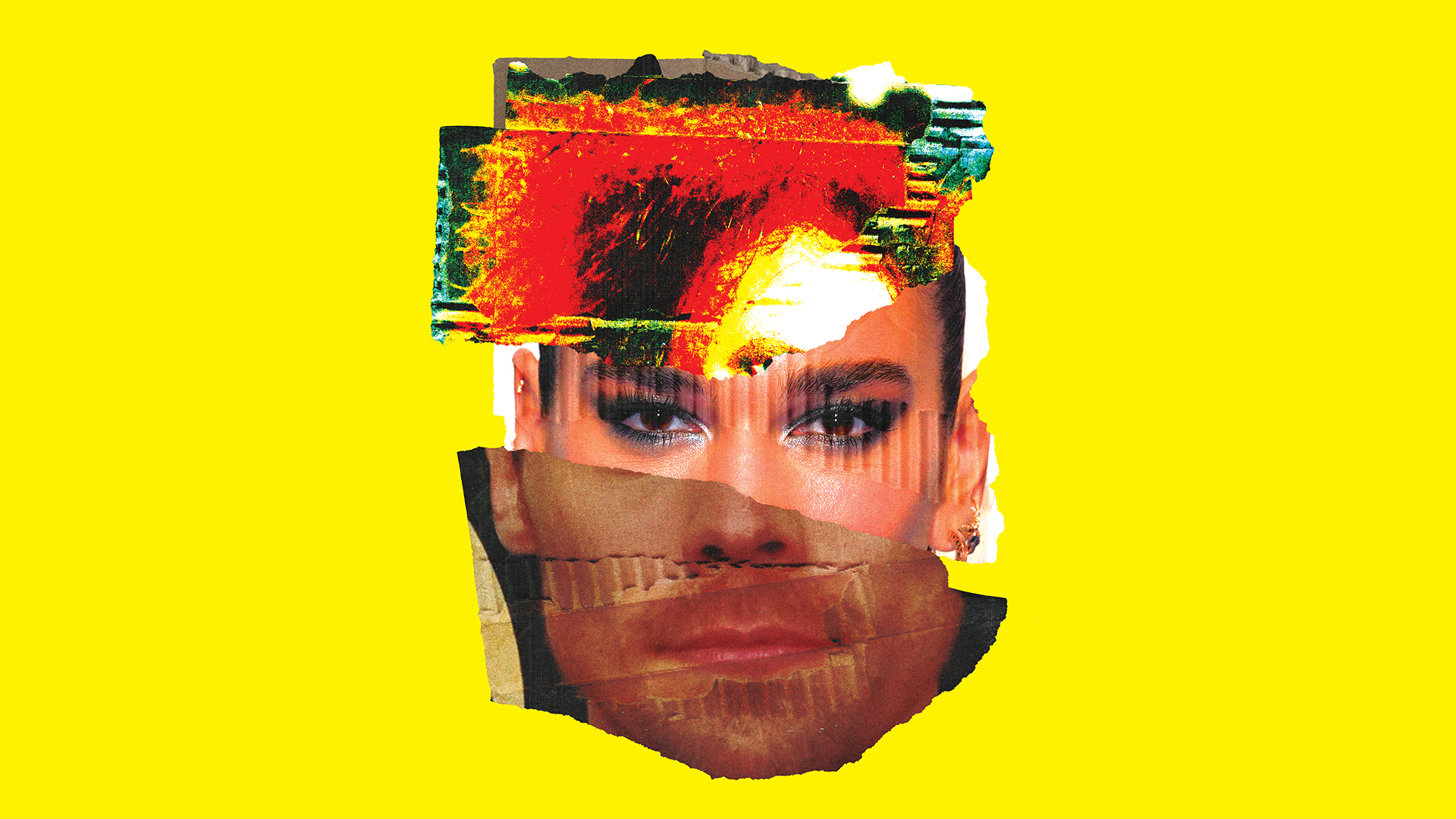
Superstars such as Harry Styles, Ariana Grande and Celine Dion don’t tour the world like they once did, but stage extended multi-night residencies at select megadomes globally, letting audiences come to them. Unlikely crossover events see the likes of Dua Lipa curating the London Literature Festival and Olivia Rodrigo working with The Cure’s Robert Smith. For the first time, a non-English language musician, Puerto Rican rapper Bad Bunny, has become the most streamed artist in the world.
The traditional gravity of the pop music world has shifted, and established pathways that held sway for decades no longer apply. How to be a pop star in 2026? We spoke to music industry insiders to gather insights on the way artists today are doing things, and why the pop rulebook is being ripped up and rewritten.
Jane Third is a London-based music industry executive and co-founder of independent artist services venture DreamTeam, who has worked with everyone from Lily Allen to Christine and the Queens and Metronomy. Where would she start when advising a client on building a career in the shifting sands of today’s music business? “I would begin by telling them to forget everything that they already believe,” she says.
“Don’t care about chart positions, don’t care about awards, don’t care about performing on television, don’t care about having your record reviewed. The only thing that matters is: are you building a connection to an audience?”
Advertising helps fund Big Issue’s mission to end poverty
Advertisement
Adem Holness is head of music at SXSW London – the European branch of the Austin, Texas, music festival and conference, which for decades has been critical in breaking new talent. As he sees it, his job is never to march artists towards any fixed definition of success.
“It’s never about telling the artist what they should do,” he says. “With the rise of various technologies and platforms, there’s a way to experience not just a song or an album, but the entire world that an artist inhabits.” In this world, he stresses, “there is no one way to be an artist – you have to find something that suits you”.
Feed the fan relationship, not the algorithm
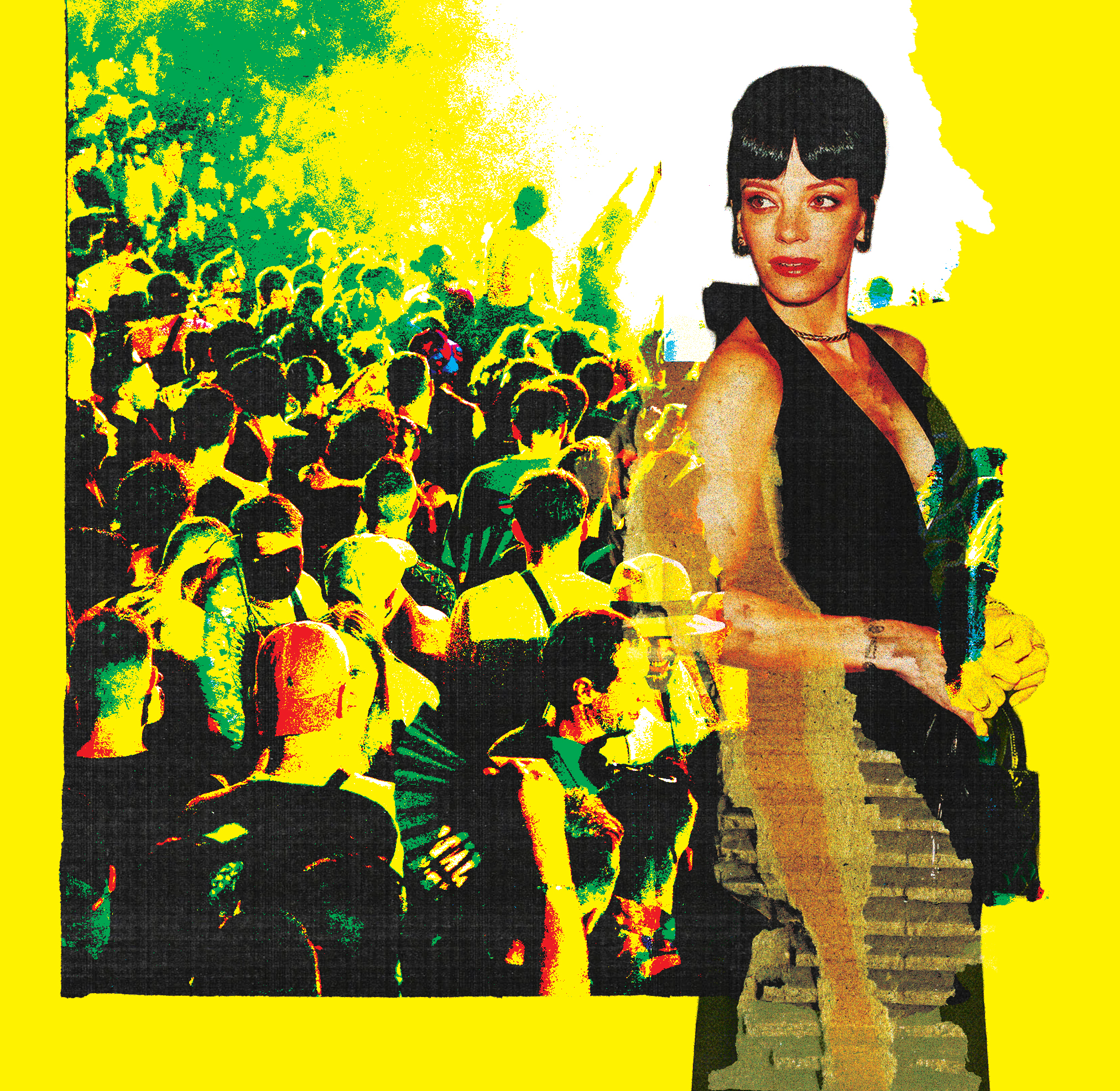
Lily Allen. Image: Jojo Korsh / Shutterstock
Ditch the industry’s vanity metrics of yesteryear, and modern pop stardom becomes about nurturing a fan community that will carry you and your music. “If you build that kind of relationship with them,” says Third, “then you’re breathing oxygen into the audience all the time and giving them more things to care about.”
Keep reading the journalism that powers our mission
Register free to continue and learn more about the stories, campaigns and the support we provide, helping people facing poverty across the UK.
Adam Ryan is a UK music promoter and founder of The Great Escape festival, an annual multi-venue event in Brighton and a leading platform for breaking new acts. As he puts it, the real work of being an artist in 2026 isn’t chasing short-term hype but shaping “a long-term authentic plan”. That means building a fan ecosystem through local circuits, live community and content that reflects who you are, rather than whatever the algorithm may want that day.
For him, the most durable careers grow out of a physical network of playing shows in increasingly bigger rooms and meeting fans face to face. He points to Dua Lipa’s Service95 platform as a model, offering self-authored material – travel, food, books, a podcast – rather than endlessly chasing clicks.
No artist is an island, and connections with other music makers matter too. “If you look at a band like Ezra Collective,” says Holness, “they talk so much about the music scene and community that they’ve come from. They talk about youth clubs and youth culture. One of the things we’ve tried to do with SXSW London has been about not just presenting the artists in a silo, but working with co-curators and putting them alongside other artists where you get to understand them within their context.”
An example of pop star world-building that everyone can agree on as a gold standard is Charli XCX’s Brat – an album and attendant marketing campaign which became an entire attitude. “It wasn’t just a record,” says Holness, “it was a shared identity.”
“Being boring on the internet gets you absolutely nowhere,” says Third. “To get people interested, you have to do weird things that get people talking.”
From Childish Gambino on Saturday Night Live to Future Islands on Letterman, the viral moment is one of the most effective express elevators to breakout recognition. It requires a strong visual as well as musical identity, not to mention your performance being on the right platform at the right time.
The best example of that in 2026 so far than Angine de Poitrine – the Canadian “mantra-rock dada Pythagorean-cubist orchestra” who went from obscurity to widespread attention and endorsements from Dave Grohl and Jack White after Seattle radio station KEXP uploaded a live session, now viewed millions of times.
The Great Escape is one of the few British festivals to have secured the band this year, booked months before their big moment. Ryan has watched them explode in popularity with great interest. “Yeah, viral moments are a solid way to becoming successful,” he says, “but how do you create those moments? That’s the million-dollar question.
“Angine de Poitrine could have put that video out on any other platform, and it probably wouldn’t have had the success that it did. People who tune into the KEXP sessions are music lovers; they have an appetite for discovery and finding new things.”
Make it sustainable
Once you’ve built your platform, how do you then make it last – environmentally, physically, mentally, reputationally? Healthier touring models and knowing when to pick your battles are all part of a version of stardom that is sustainable, in every sense of the word.
“If you look at the environmental impact of touring, it’s absolutely huge,” says Third, on the topic of artists playing residencies. If the fans come to you, “rather than move your stage all around the world, there’s a positive environmental impact.
“Touring also isn’t really sustainable for a lot of artists who are sensitive, fragile people, operating on no sleep on tour buses.
“That’s how they develop dependencies.”
Grassroots musicians don’t have the privilege of letting audiences come to them, but there are ways bigger artists can support them. Alongside his role with SXSW London, Holness is a trustee of the LIVE Trust – a UK music industry body that channels a voluntary levy on arena and stadium tickets into funding for grassroots venues and artists. Harry Styles has pledged £1 per ticket from his upcoming shows. “We were very pleased that he signed up to donate,” says Holness.
High-profile flashpoints, such as Chappell Roan’s recent clashes with fans, underline the downsides of an ‘always on’ artist economy. The same proximity that helps build a following can erode boundaries and embolden audiences to overstep the mark – whether online or in real life. Third urges caution when it comes to speaking your mind.
“If you delve into the debate, particularly if it’s a political debate, you’ll quite quickly get to the end of your understanding of the subject, and you’ll start to look stupid, because people will make you look stupid,” she says. “The internet is just so factional – it’s just going to eat you alive. I would advise artists not to die on any particular hill.”
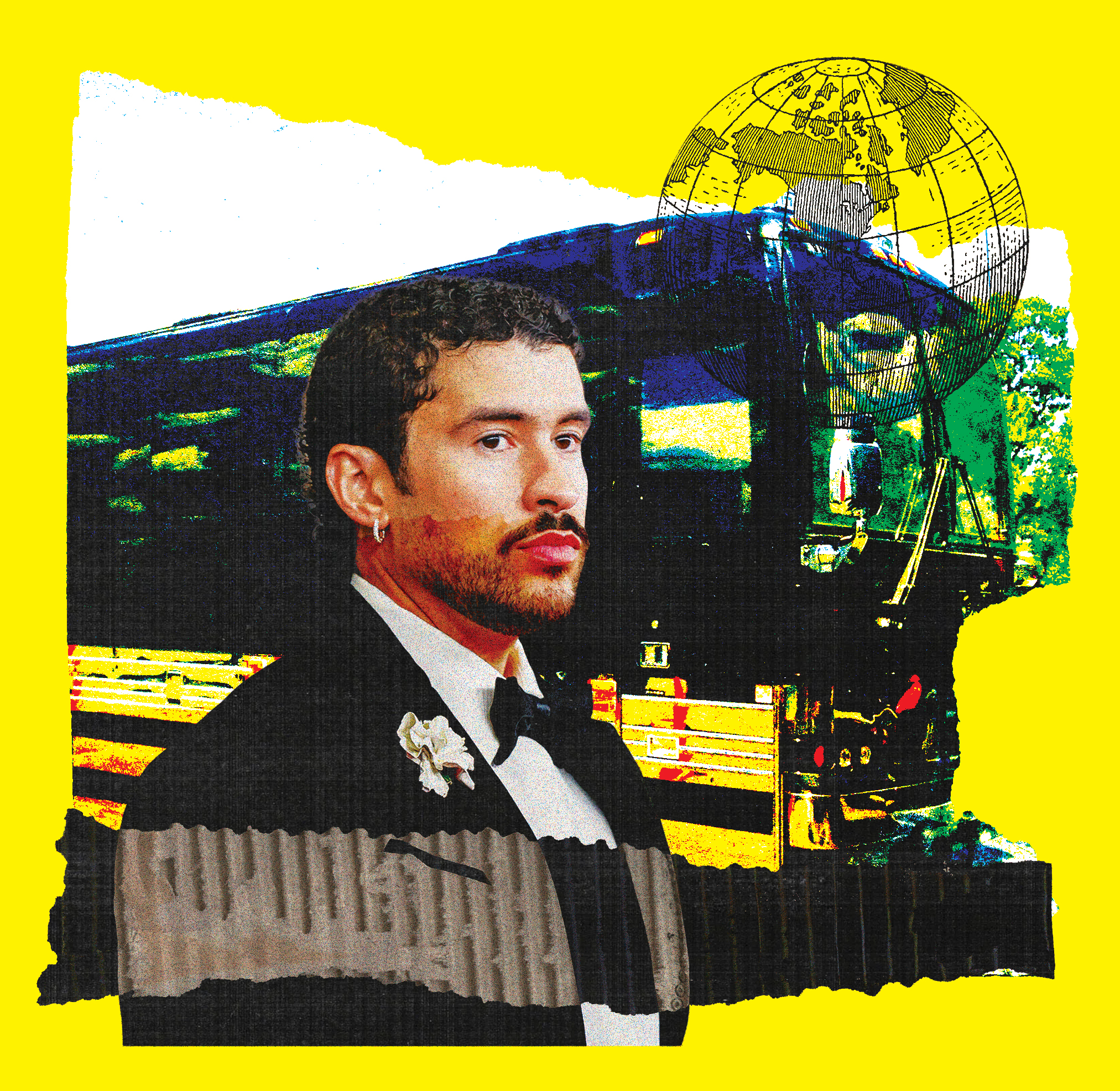
Bad Bunny. Image: Jill Connelly / EPA / Shutterstock
Sing in your own words (whatever your language)
The 2026 pop universe is truly global and increasingly post-English. Spotify data showed songs in 16 different languages – including Spanish, Korean, Indonesian and Arabic – appearing in its Global Top 50 for 2025, more than double the figure from 2020. Bad Bunny’s songs – completely in Spanish – were streamed around 20 billion times last year, while Brit Award-winning Spanish artist Rosalía’s latest album Lux contains 14 different languages and dialects.
Holness says: “More than ever people are open to music where they might not understand the lyrical content, but understand the feeling and the intention and what makes their bodies want to move.” As he points out, the world’s most successful ever pop writer-producer, Swede Max Martin – with 25 US number one singles and counting – has never let being a non-native English speaker get in the way of a good hit.
“Backstreet Boys and Max Martin have talked a lot aboutI Want It That Way not necessarily making total sense,” he says, “and yet it’s one of the best pop songs ever.
“Sometimes words are really important. But sometimes they’re not.”
Buy from your local Big Issue vendor every week – and always take the magazine. It’s how vendors earn with dignity and move forward.
You can also support online: Subscribe to the magazine or support our work with a monthly gift. Your support helps vendors earn, learn and thrive while strengthening our frontline services.
Thank you for standing with Big Issue vendors.
Advertising helps fund Big Issue’s mission to end poverty