Miki Berenyi: ‘Grassroots gigs are 100 times more intense than stadium shows’
The Music Venue Trust’s Everywhere At Once Festival is taking place at grassroots venues across the country. Musician Miki Berenyi explains the importance and joy of independent music venues
by: Miki Berenyi
26 Jun 2026
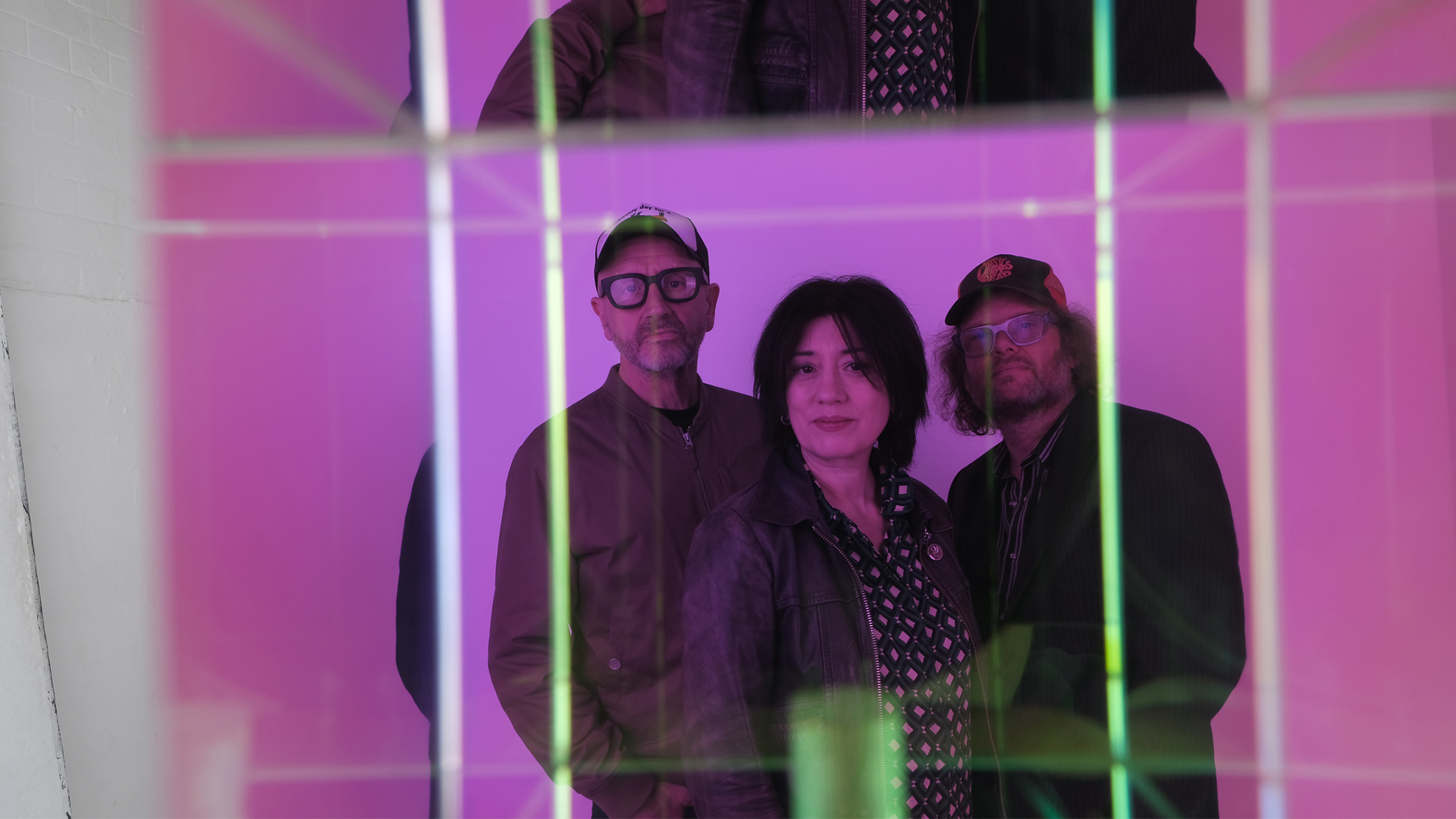
Miki Berenyi Trio play at the Everywhere At Once Festival. Image MBT
Share
Miki Berenyi has been a major player on the independent music scene for almost 40 years. She broke through as guitarist and co-lead singer in Lush – shining lights on the shoegaze scene, who signed to 4AD records in 1989 – going on to record three top ten albums and hit singles including Hypocrite, Single Girl and Ladykillers.
Since then, Berenyi has played in alternative indie rock supergroup Piroshka, alongside members of Moose, Elastica and Modern English and leads the Miki Berenyi Trio. The Miki Berenyi Trio play at Hebden Bridge’s Trades Club alongside John McKay’s Reactore as part of Everywhere At Once Festival, spearheaded by the Music Venue Trust and powered by the National Lottery on 26 June. We asked Berenyi what independent grassroots venues had ever done for her…
There are so many great venues around that run on the enthusiasm and commitment of local people, supported by a core of regulars, but it’s hard to get the word out unless people are already signed up and willing take a punt on a band they might not be familiar with.
Back in my heyday (in the 80s and 90s), there was a thriving counter-culture of record labels, music papers, fanzines, student gigs, council-run events – various networks that helped to publicise gigs and venues for bands that didn’t have access to a major-label publicity machine. So any organisation like the Music Venue Trust that helps to promote the very existence of these places would be welcome.
I get that the stadium-filling handful are doing great, and I’ve got nothing against those shows (My Bloody Valentine were fab at Wembley). But those gigs are a very separate experience. I’m not a fan of the sterile bar areas, the lack of intimacy and the band being two football-pitch lengths distant… and they are expensive!
A grassroots gig is where you rub shoulders with the band, get to mingle with other like-minded folk, sit, stand or dance where you want (or even leave without feeling you have to stay to the very end and miss your transport home because it cost you a week’s wages to attend), and get a drink at the bar without having to walk a mile and navigate security. You won’t have to join 10 separate queues to pay, pick up your ticket, enter, get a drink, buy merch or go to the toilet (and then risk not being allowed in again). It’s less of a faff, more relaxed and way cheaper.
Advertising helps fund Big Issue’s mission to end poverty
Advertisement
And, obviously, without those smaller venues for bands to cut their teeth, there will be no new bands to funnel into the mega shows. Only those that the major labels consider worth funding, or those that already made it three decades ago, will be given the chance – not the bands that grow an audience because people love them and keep coming to see them.
I’d also add that these grassroots gigs are the ones that people of my generation enthuse to death about, not mega stadium shows that sold out in five minutes. It’s the time when we saw a now-legendary band in a small venue with an audience you could count in the tens or low hundreds rather than thousands (in my case, The Smiths at Norwich Arts Centre/Dingwalls and more, The Sugarcubes (Bjork) at Camden Workers Social Club, New Order at King’s College, The Fall in too many places to list, Pulp, The Cranberries, Elastica at the Windsor Old Trout.And that’s not because “they were better then” – because they often weren’t. And the sound could be pretty ropey (small-venue tech is leagues better now than it was back then).
But it was surprising and accidental, live and unpredictable, messy and exciting – and thrilling to feel that you were right there at the birth of something important. The music was unignorable because the band were just a few feet in front of you and you couldn’t help but engage and be a part of it. And it was social, too, because you’d spot people you’d seen at other gigs and end up chatting and maybe dancing and, in some cases, becoming friends for life.
Keep reading the journalism that powers our mission
Register free to continue and learn more about the stories, campaigns and the support we provide, helping people facing poverty across the UK.
Ironically, this is exactly the experience that the super-rich are after when they book a now-famous band to play a private show for their entertainment, except without having to rub shoulders with the hoi polloi.
I wouldn’t have even considered being in a band without the existence of small club and pub venues. It was my training ground, and gave me time to develop as a musician – both in confidence and ability. With the Miki Berenyi Trio, we know that what makes us good live is regularly playing gigs, testing out new songs, keeping the machine well-oiled. Plus, we love playing live! So we rely on small venues to book us so we can play throughout the year.
Sure, I enjoyed playing the festivals and the big, big shows with Lush – it’s exciting having a sea of people enjoying your songs. But it’s also faceless and distant, and frankly a bit overwhelming. And that kind of music often doesn’t survive a huge venue. You then need a whole expensive package to make a ‘show’, which is a very different type of performance. In a small venue – up-close, surrounded, involved – it’s so much easier to be swept up in the experience and lose yourself in the actual music.
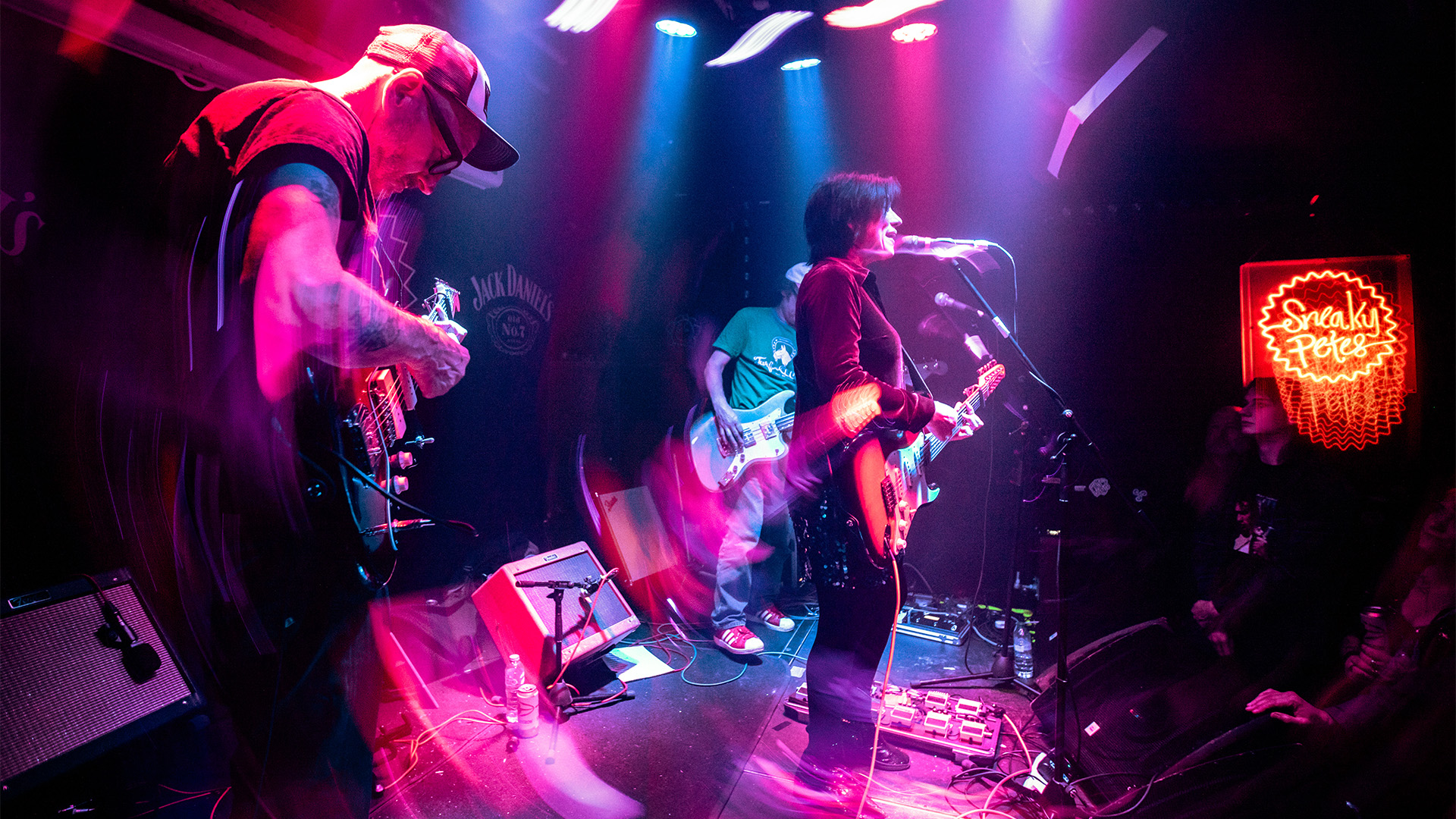
Miki Berenyi Trio live on stage at Sneaky Pete’s in Edinburgh. Image: Callum Mackintosh
I feel optimistic about live music and its future in this country. I have to be! Not just because of all the great bands that most people are missing out on. It’s because gigs are a social space where accidental things can happen, and fizz and spark and inspire – and we need way, way more of that.
Advertising helps fund Big Issue’s mission to end poverty
The great hope of social media was that it would expand your circle into one big, happy melting pot of infinite connections. Well, it hasn’t quite worked out that way. And even where it has had positive results, it simply doesn’t replace the genuine depth of experience you get from being out in the world, allowing random experiences and connections to happen, escaping the four walls (or the four-sided screen) and actually physically being there – hearing, seeing and feeling.
Yes, there will be shit gigs where the band was disappointing and everyone there was a nob and you got rained on going home. But there will also be nights where you get blown away by the excitement, beauty, energy fragility… whatever. And it will feel 100 times more intense than a stadium gig because it will be intimate and close and subsuming (and someone is much more likely to buy you a drink at the bar).
So I have a soft spot for The Lexington in London because I know various people involved with putting on the gigs there. It’s also a great venue – decent stage, nice big pub downstairs to meet up with friends, excellent layout so even the shorter folk among us can find a spot where we can see. But special mentions also go out to Hebden Bridge Trades Club (top venue, brilliant folk who run it and work there), Hope & Ruin in Brighton (excellent sound), Cambridge Portland Arms (great local crowd), Reading Face Bar (proper hospitable), Ipswich St Stephen’s Church (stunning setting, great crew), Newcastle Cluny (super friendly), Leicester Duffy’s (immense hospitality)… I mean, I could go on and on.
We just played Manchester YES last week and we, and everyone packed into the venue, had an absolutely brilliant time.
The Miki Berenyi Trio are on tour and play Trades Club, Hebden Bridge on 26 June 2026.
Advertising helps fund Big Issue’s mission to end poverty
Buy from your local Big Issue vendor every week – and always take the magazine. It’s how vendors earn with dignity and move forward.
You can also support online: Subscribe to the magazine or support our work with a monthly gift. Your support helps vendors earn, learn and thrive while strengthening our frontline services.
Thank you for standing with Big Issue vendors.
Advertising helps fund Big Issue’s mission to end poverty