Advertisement
Culture

Paddington’s enduring appeal speaks to the nostalgia he brings out in all of us

Reading your old, much-loved books to your own children is a trip to a rose-tinted past

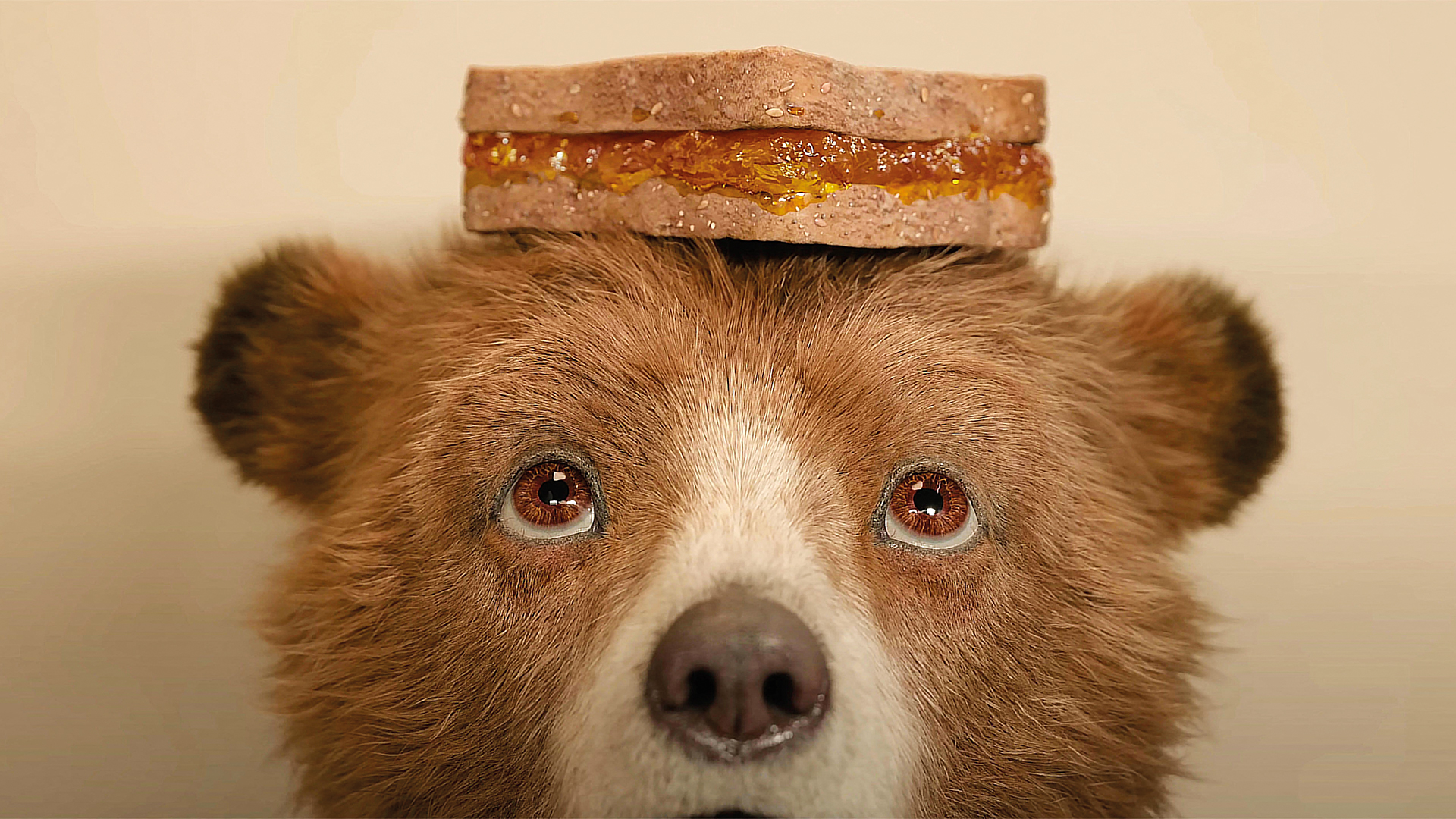
Toddlers love Paddington Bear. My two-and-a-half-year-old Nye is a big fan – he likes many bears, in fact. Winnie-the-Pooh is almost certainly his favourite and we’ve seen the 1977 Disney film approximately 3,000 times (or is it 3,002?). We read and re-read old copies of the Berenstain Bears books when staying at my parents’ house and he can recite the story of Goldilocks and the Three Bears by heart.  

There is something special about sharing stories you were told as a child with your own kids. Watching Winnie-the-Pooh with Nye I found myself remembering all the words to songs I must have committed to memory when I was about his age (“I am stout, round…”). The experience is a major parenting milestone – something to make the frequent wake-ups, early mornings and stroppy tantrums worthwhile. 

It is, of course, a deeply nostalgic experience. Even the most cynical parent would struggle, surely, to sidestep that potent mixture of joy and regret, pleasure and pain. Indeed, one of the reasons people repeatedly return to the stories and characters they first met in childhood (whether they have kids of their own or not) is that they are nostalgic. 

Nostalgia is a heady drug. Psychologists think that it is a near-universal emotion and science suggests that almost everyone experiences nostalgia on a weekly or even daily basis. Despite having something of a bad reputation (particularly in the world of politics) nostalgia is a fundamentally positive emotion – it feels nice, but it also provides a range of benefits.

Read more:

Studies have found that it improves mental health, increases self-esteem and meaning in life, encourages a sense of social connectedness, prompts people to seek help and support for their distress, and reduces loneliness, boredom and anxiety.
Advertising helps fund Big Issue’s mission to end poverty
Advertisement

Nostalgia is even used as a treatment for depression and loneliness, especially among older adults experiencing memory loss. In other words, people seek out nostalgic experiences because they make people feel good.  

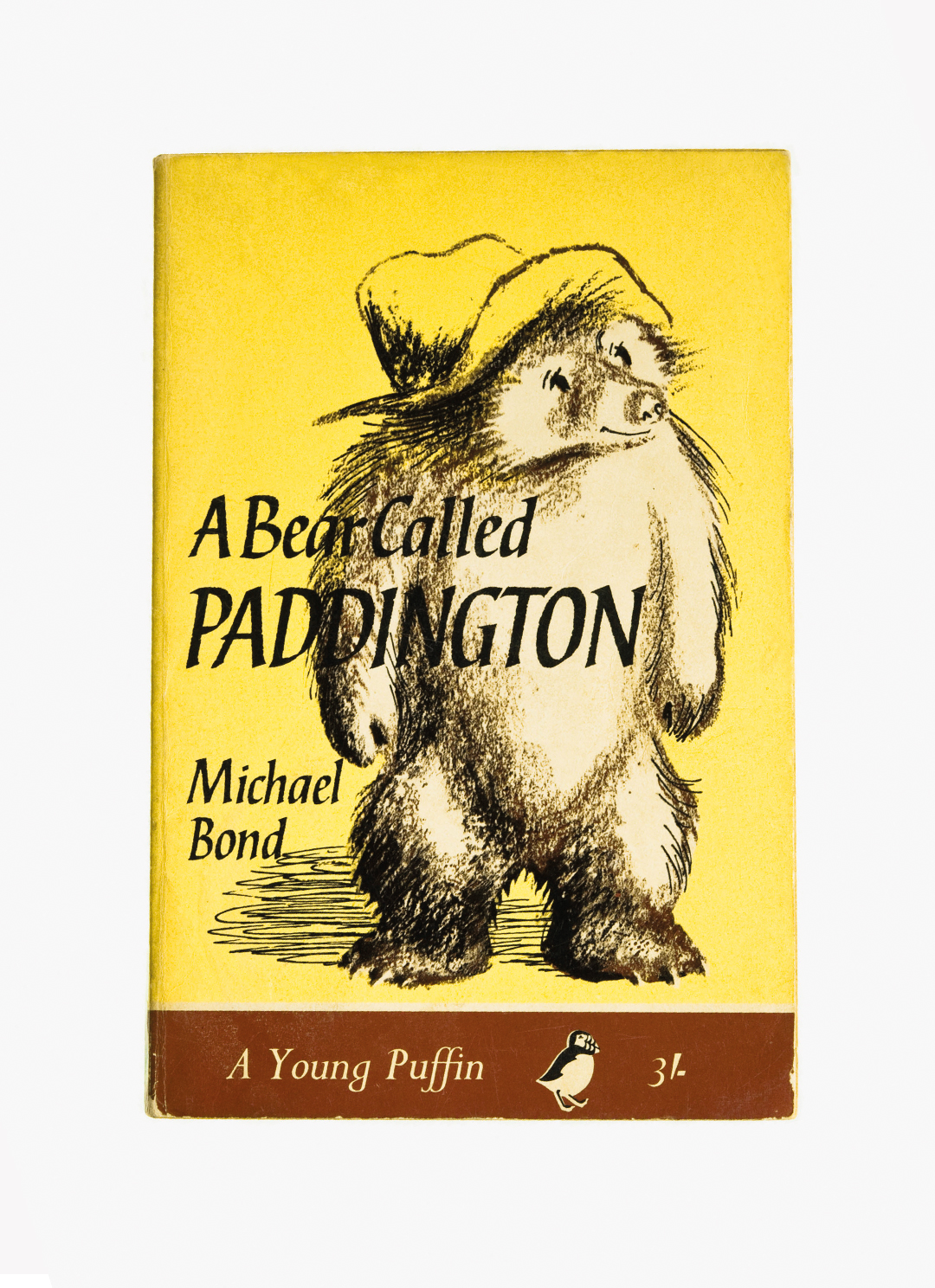
Nostalgia is particularly needed at times of strife. And this is what makes Paddington Bear particularly popular. Because it isn’t just that he is a childhood favourite of many; it’s because he was created at a particular time in British history.

Image: foto-zone / Alamy

There is a vague notion – rarely explicitly said – that the 1950s was something of a golden age for the United Kingdom. This was an era before ultraprocessed food, when people ate bread and butter and drank whole milk.

Helicopter parents didn’t yet exist and children climbed trees rather than scrolling through social media. Crime was supposedly low, communities strong, and families nuclear. Britain as a nation was simultaneously riding high on its war victory and keeping calm and carrying on with characteristic stoicism.

Of course, there’s plenty of historical inaccuracies in this account of 1950s Britain, but the truth matters little when it comes to nostalgia. And so, the three films are full of RP accents, historic landmarks, heritage foodstuffs and Queen Elizabeth II herself. 

The first Paddington live-action film – the start of the little bear’s renaissance – came out in 2014, followed by Paddington 2 in 2017. This was an unsettled time for Britain’s economy, political life and presence on the global stage. Scientists who study emotions suggest that they have evolved and serve a range of important purposes.

Advertising helps fund Big Issue’s mission to end poverty

As mentioned, nostalgia makes people feel good – more connected, more grounded, more positive – and so it is useful at times of worry and strife. While nostalgia is everywhere, almost all of the time, it does have peaks and troughs. Paddington likely appeals especially today because people feel uncertain about the present and future. A fictional bear that embodies a fictionalised decade offers folk a bit of stability in troubled times. 

People love Paddington for all sorts of reasons, whether it’s their own nostalgia for the stories they read as kids, or a more diffuse nostalgia for a time in British history they find alluring even if they never experienced it (scientists call this “historical nostalgia”). And of course, some people’s affection for the Peruvian bear might have nothing to do with nostalgia.

Maybe they just like bears, marmalade or Hugh Grant. But what Paddington’s enduring popularity does tell us, is that stories become lasting when they allow people to project their own emotional fantasies onto the characters and settings. Paddington transports us to an alternative world – a historically inaccurate one, sure, but a world that we can at least pretend was simpler, kinder and more stable.  

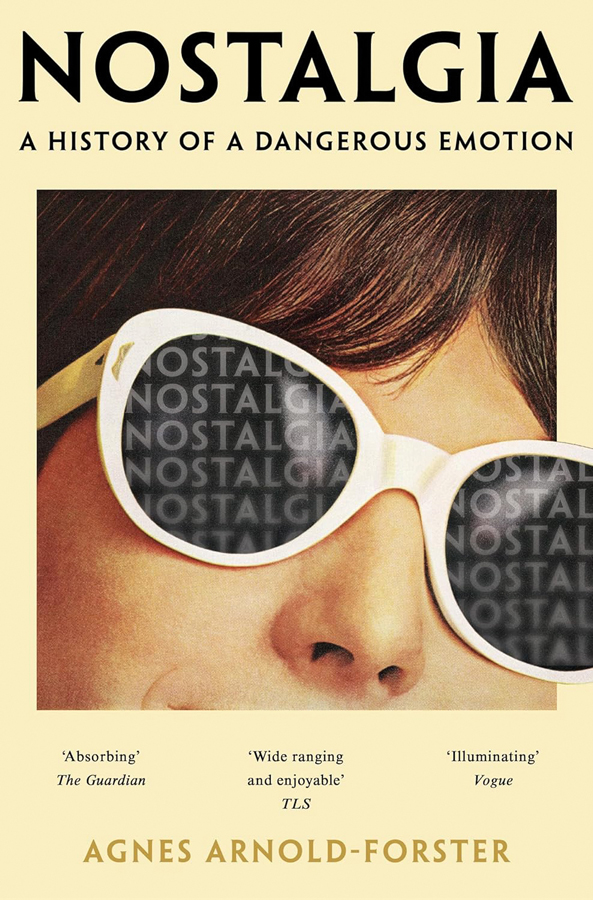
Nostalgia: A History of a Dangerous Emotion by Agnes Arnold-Forster is out now (Pan Macmillan, £10.99).

You can buy it from the Big Issue shop on bookshop.org, which helps to support Big Issue and independent bookshops.

Do you have a story to tell or opinions to share about this? Get in touch and tell us more

Advertising helps fund Big Issue’s mission to end poverty

Change a vendor’s life this winter.

Buy from your local Big Issue vendor every week – and always take the magazine. It’s how vendors earn with dignity and how we fund our work to end poverty.

You can also support online with a vendor support kit or a magazine subscription. Thank you for standing with Big Issue vendors.

Advertising helps fund Big Issue’s mission to end poverty

GIVE A GIFT THAT CHANGES A VENDOR'S LIFE THIS WINTER 🎁

For £36.99, help a vendor stay warm, earn an extra £520, and build a better future.
Grant, vendor

Recommended for you

Read All
Sleaford Mods singer Jason Williamson: 'I would definitely tell myself not to take Class A drugs'
Letter to my Younger Self

Sleaford Mods singer Jason Williamson: 'I would definitely tell myself not to take Class A drugs'

40 years on, was Live Aid all for nothing? Or can we still be heroes?
Live Aid

40 years on, was Live Aid all for nothing? Or can we still be heroes?

Top 5 graphic novels, chosen by author and illustrator Beccy Blake
Graphic novels

Top 5 graphic novels, chosen by author and illustrator Beccy Blake

Why Sam Fender deserves credit for having the guts to sing about his gut
Music

Why Sam Fender deserves credit for having the guts to sing about his gut

Most Popular

Read All
Renters pay their landlords' buy-to-let mortgages, so they should get a share of the profits
Renters: A mortgage lender's window advertising buy-to-let products
1.

Renters pay their landlords' buy-to-let mortgages, so they should get a share of the profits

Exclusive: Disabled people are 'set up to fail' by the DWP in target-driven disability benefits system, whistleblowers reveal
Pound coins on a piece of paper with disability living allowancve
2.

Exclusive: Disabled people are 'set up to fail' by the DWP in target-driven disability benefits system, whistleblowers reveal

Cost of living payments: Where to get help in 2025 now the scheme is over
next dwp cost of living payment 2023
3.

Cost of living payments: Where to get help in 2025 now the scheme is over

Citroën Ami: the tiny electric vehicle driving change with The Big Issue
4.

Citroën Ami: the tiny electric vehicle driving change with The Big Issue