Inside London’s longest-running squat: ‘It was a really extraordinary community’
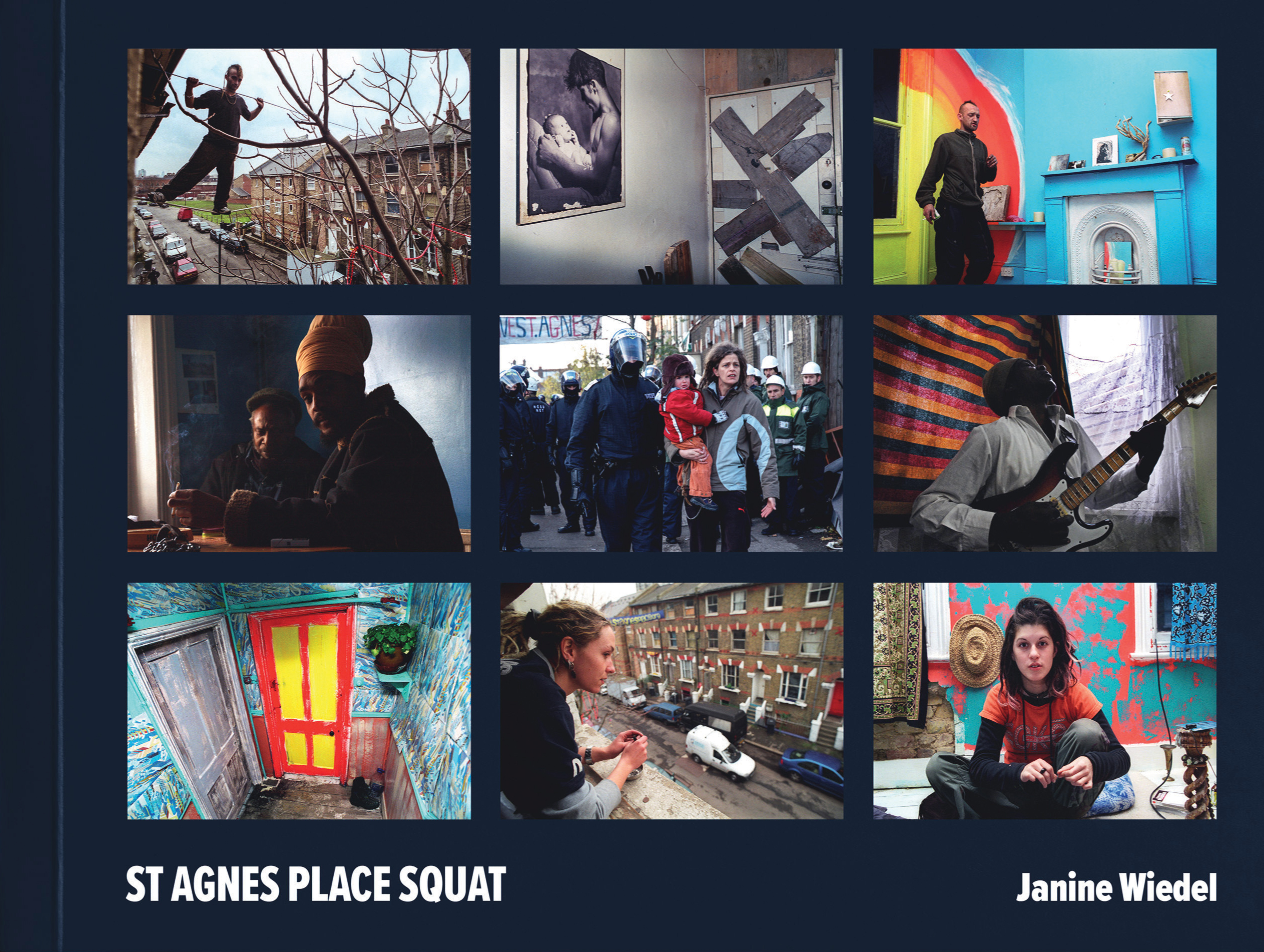
Janine Wiedel’s photos of St Agnes Place, which will be published in a new book in March, paint a vivid picture of a way of life that was already disappearing
by:
27 Feb 2026
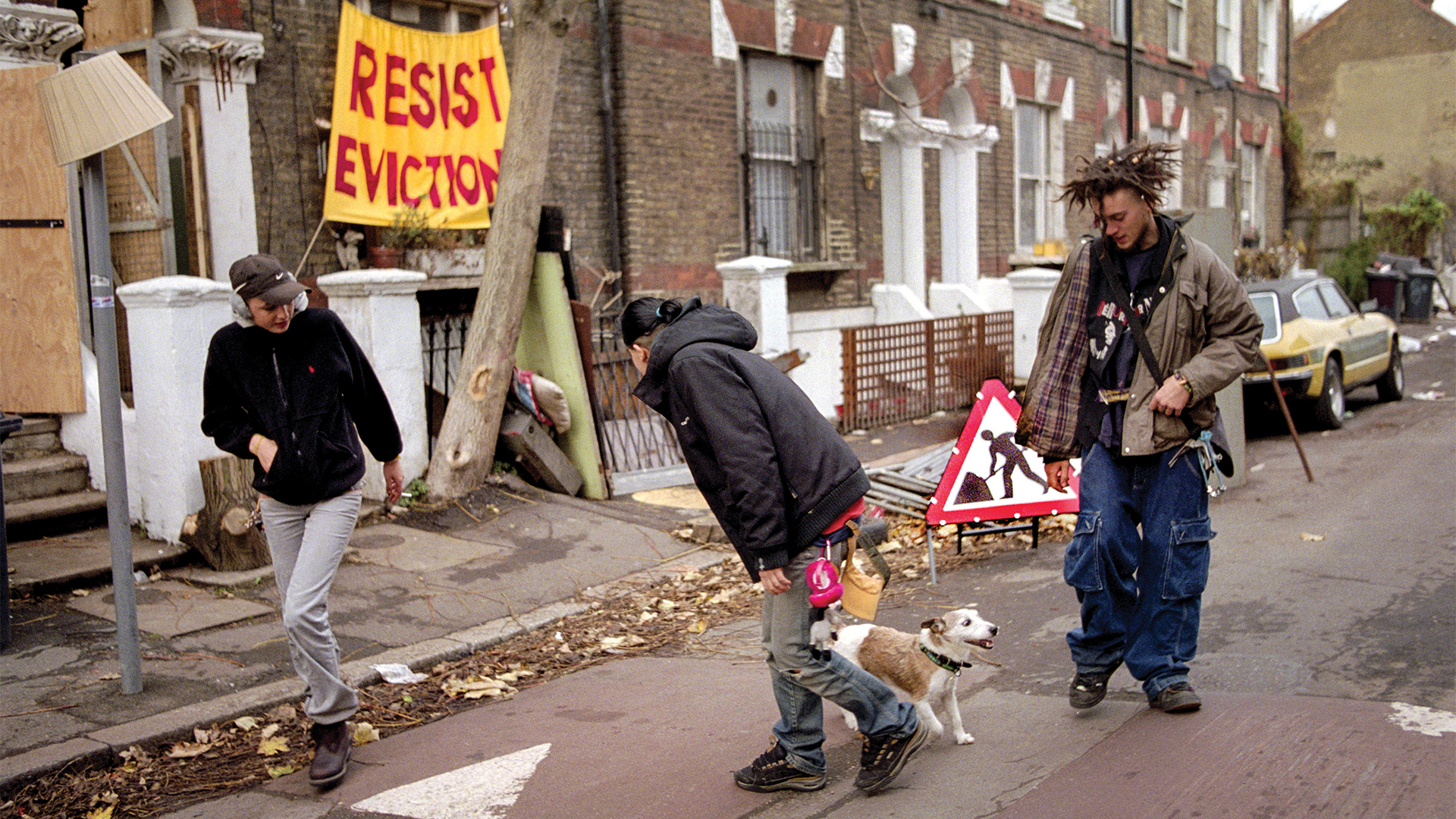
Residents of St Agnes Place. Image: Janine Wiedel / RRB PhotoBooks
Share
When Janine Wiedel started photographing St Agnes Place, London’s longest running squat, Bob Marley was long gone.
The Rastafarian singer had played football in the Kennington street back in the 1970s, one of thousands of visitors who passed through the squat before its demolition in 2005 through 2007.
“It was very known; it had thousands of people going through it over the years,” said Wiedel, a photojournalist who documented the squat’s final years. “They [the squatters] formed a really extraordinary community, and a refuge in many ways.”
Squatting – occupying empty properties without the owner’s consent – was huge in the 1970s. By the end of the decade, an estimated 50,000 squatters lived in England and Wales, with 30,000 in the capital alone.
It has been incrementally criminalised ever since. In 2012, it was banned entirely.
Wiedel’s photographs, which will be published in a new book in March, paint a vivid picture of a way of life that was already disappearing.
Advertising helps fund Big Issue’s mission to end poverty
Advertisement
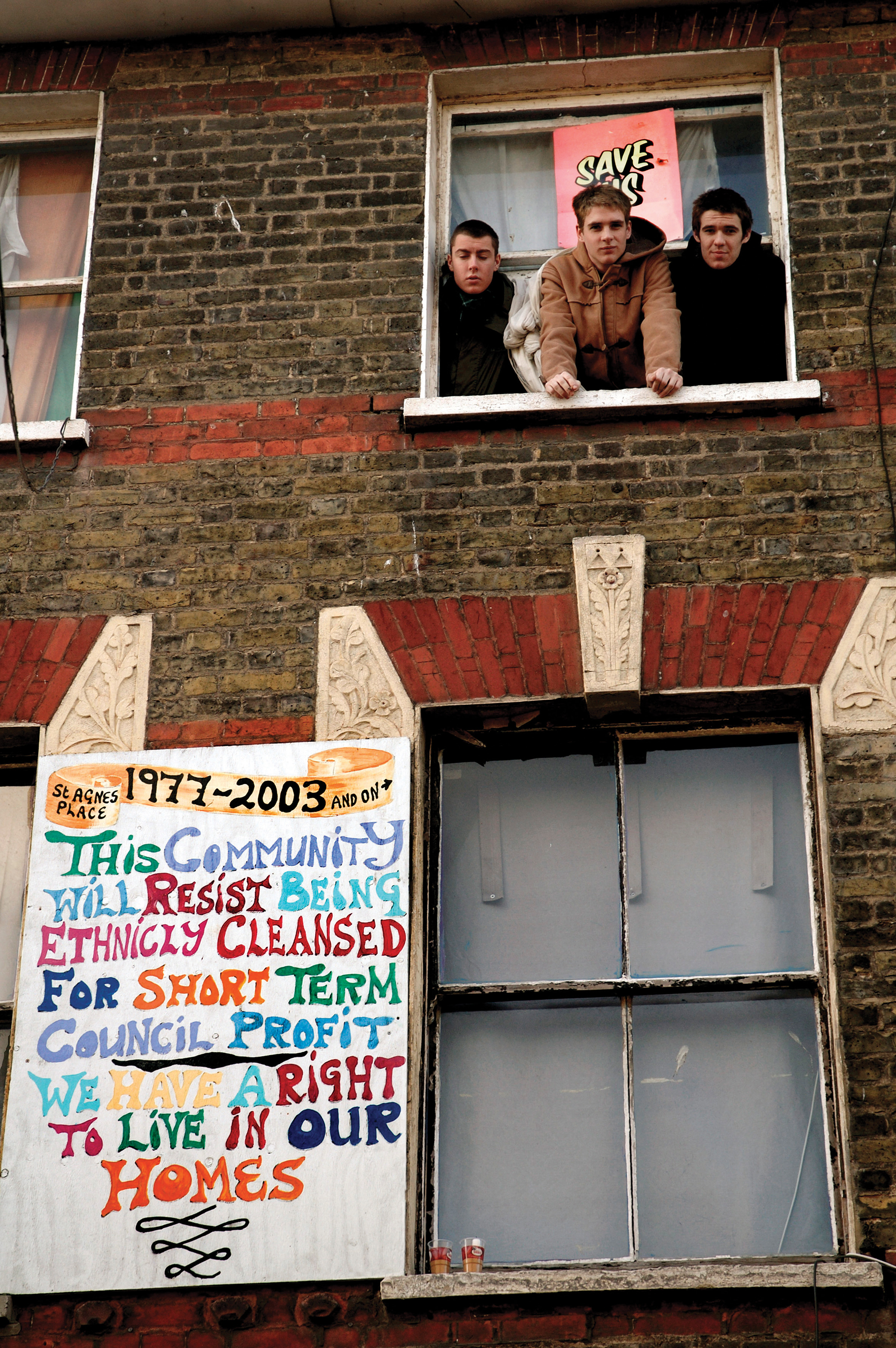
“THIS COMMUNITY WILL RESIST BEING ETHNICALLY CLEANSED,” declares a multicoloured sign in one picture. “WE HAVE A RIGHT TO LIVE IN OUR HOMES.”
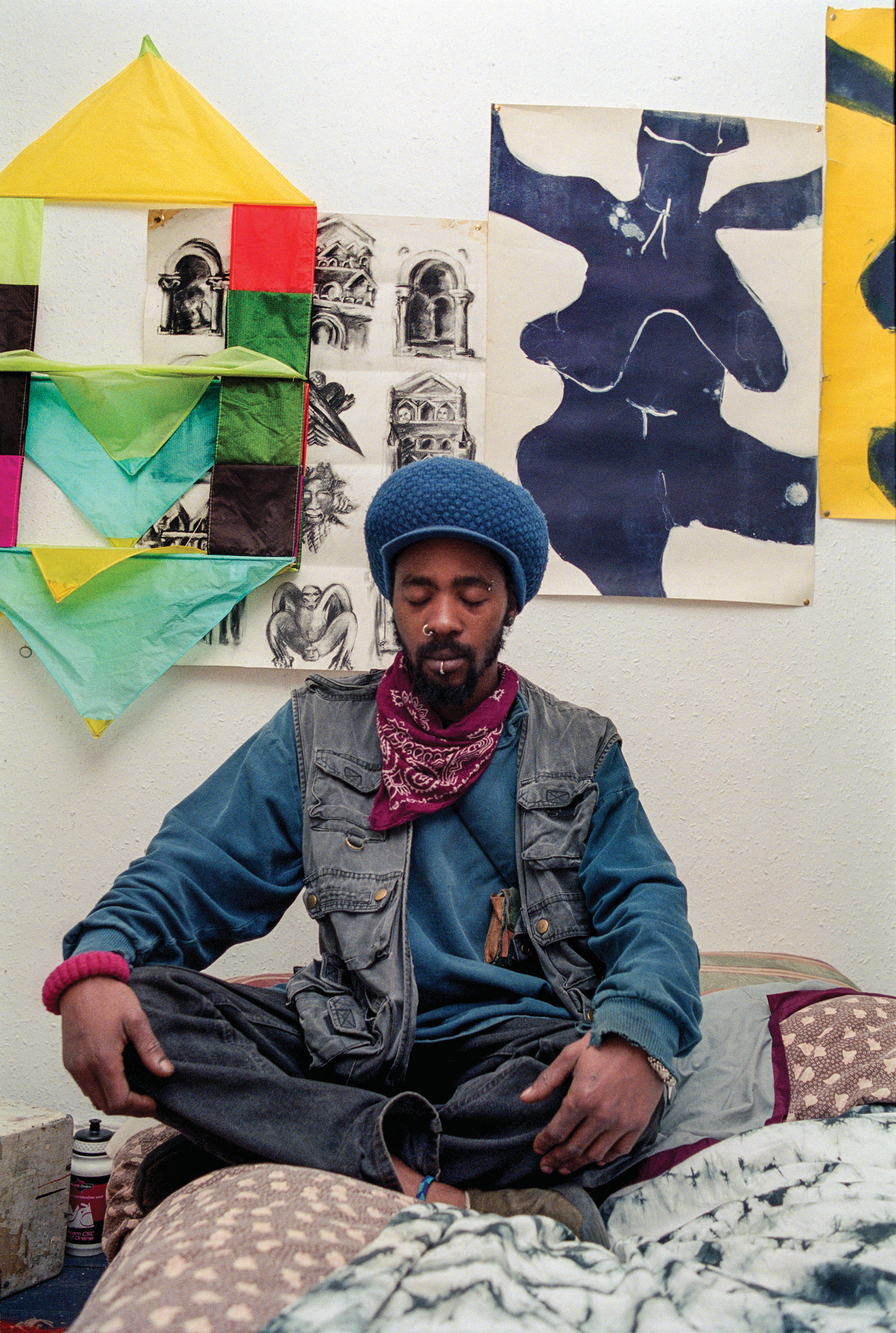
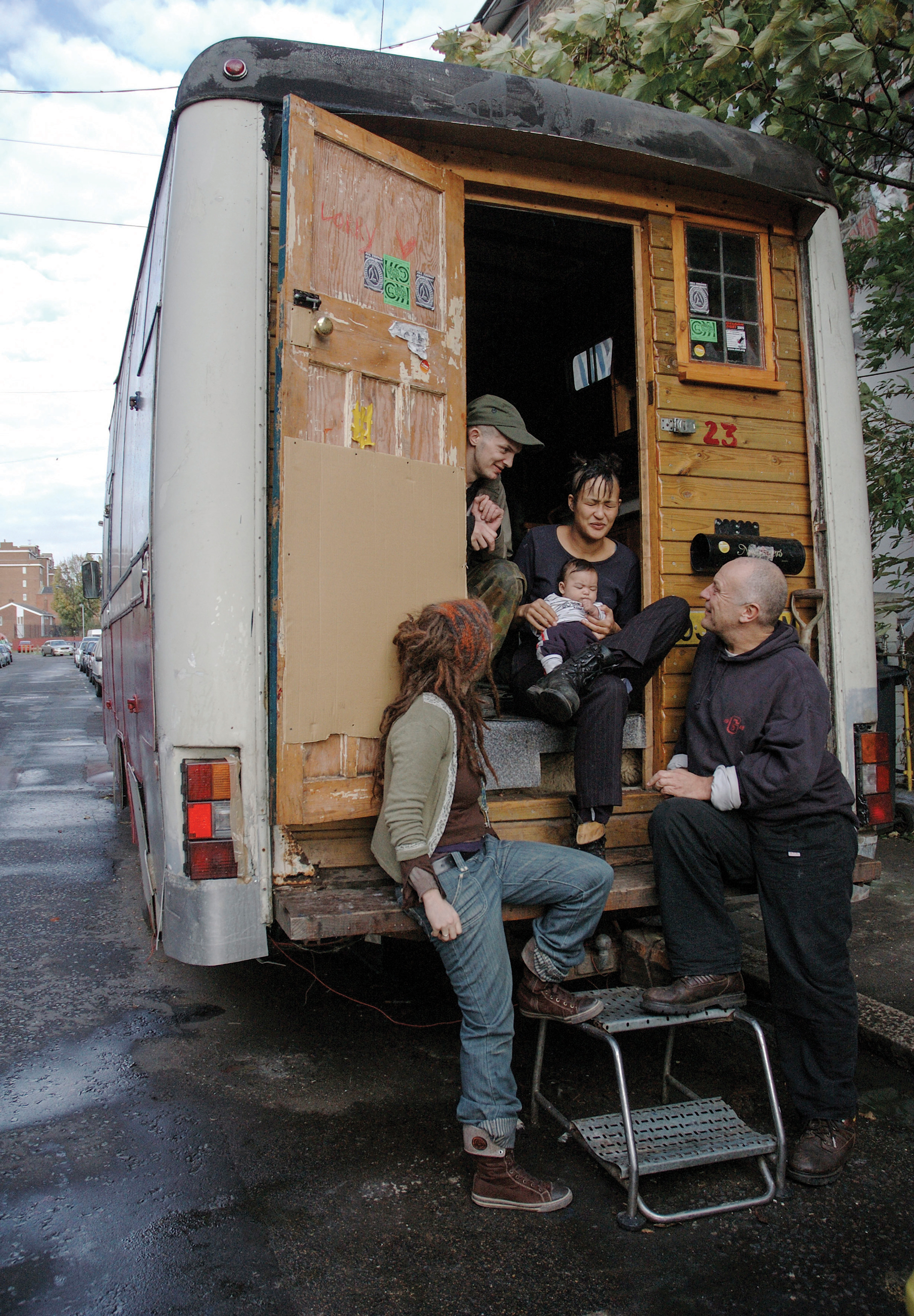
Other scenes are more domestic: a man cradling a tiny baby; a boarded-up window beautified with a print of Van Gogh’s Sunflowers; a Rastafari man meditating.
“[The residents] all supported and, in a sense, protected each other,” Wiedel says.
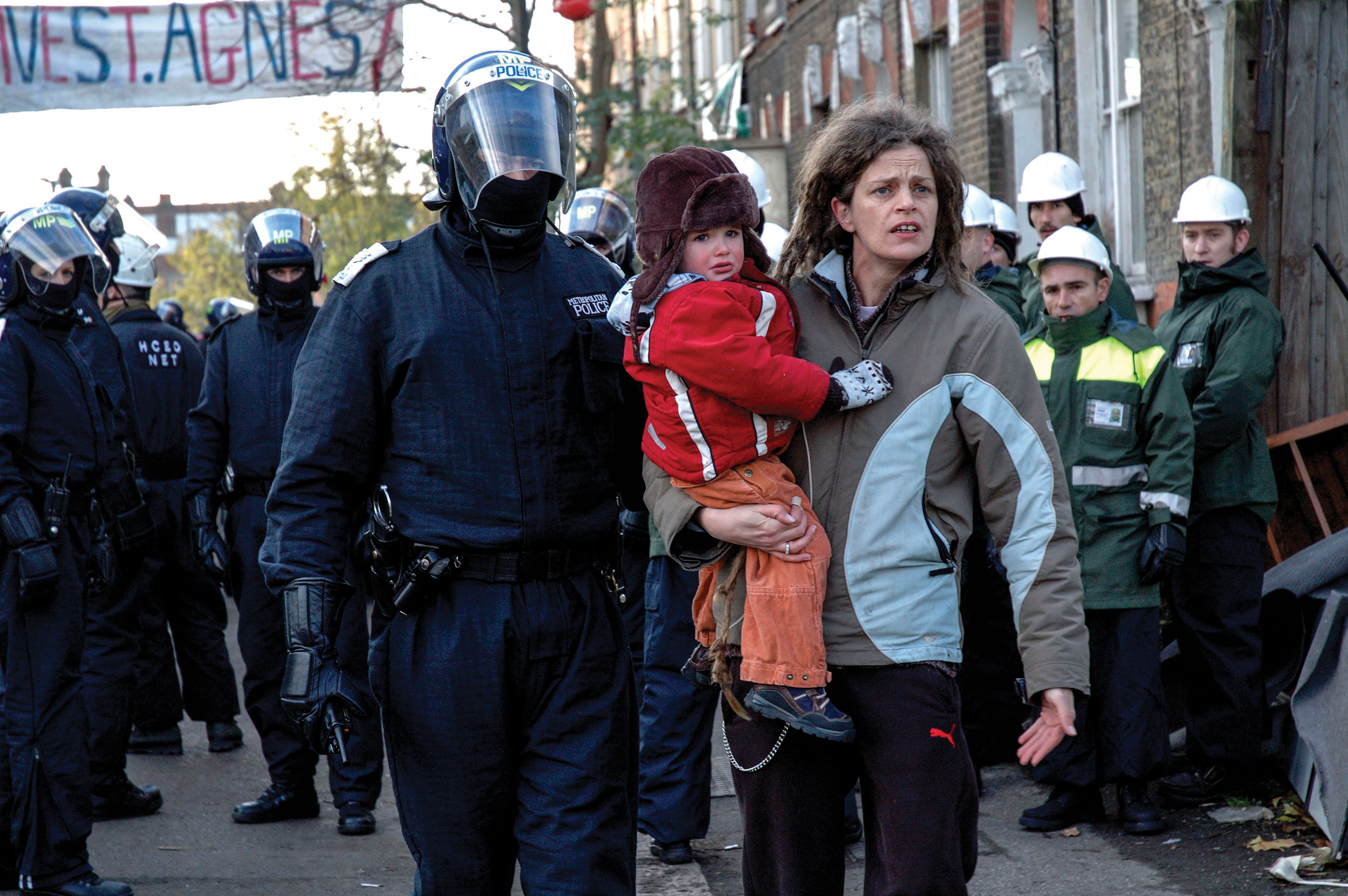
But as legal challenges mounted, it could only last so long. In 2005, Lambeth Council won its long-standing battle with residents and sent in over 200 police and bailiffs in riot gear, evicting 21 houses and leaving 150 people homeless.
Demolition began immediately. The Rastafarian Community Centre was left standing – at least a third of the street’s residents were Rastafari, and they had a slightly different arrangement with the council – but a few months later, after a court battle and a mysterious overnight arson attack, it too was demolished.
It was “devastating”, said Wiedel. Part of London’s fabric has been lost with the criminalisation of squatting.
“I think [squatting is] really hard for people nowadays. It’s now being called theft, whereas then it was really redistribution of unused spaces – spaces where artists and writers and whoever couldn’t afford rents could go and set up political and creative hubs, and could survive,” Wiedel said. “I don’t know, today there’s nowhere.”
Here’s a selection of Wiedel’s photos from 2003 to 2007: