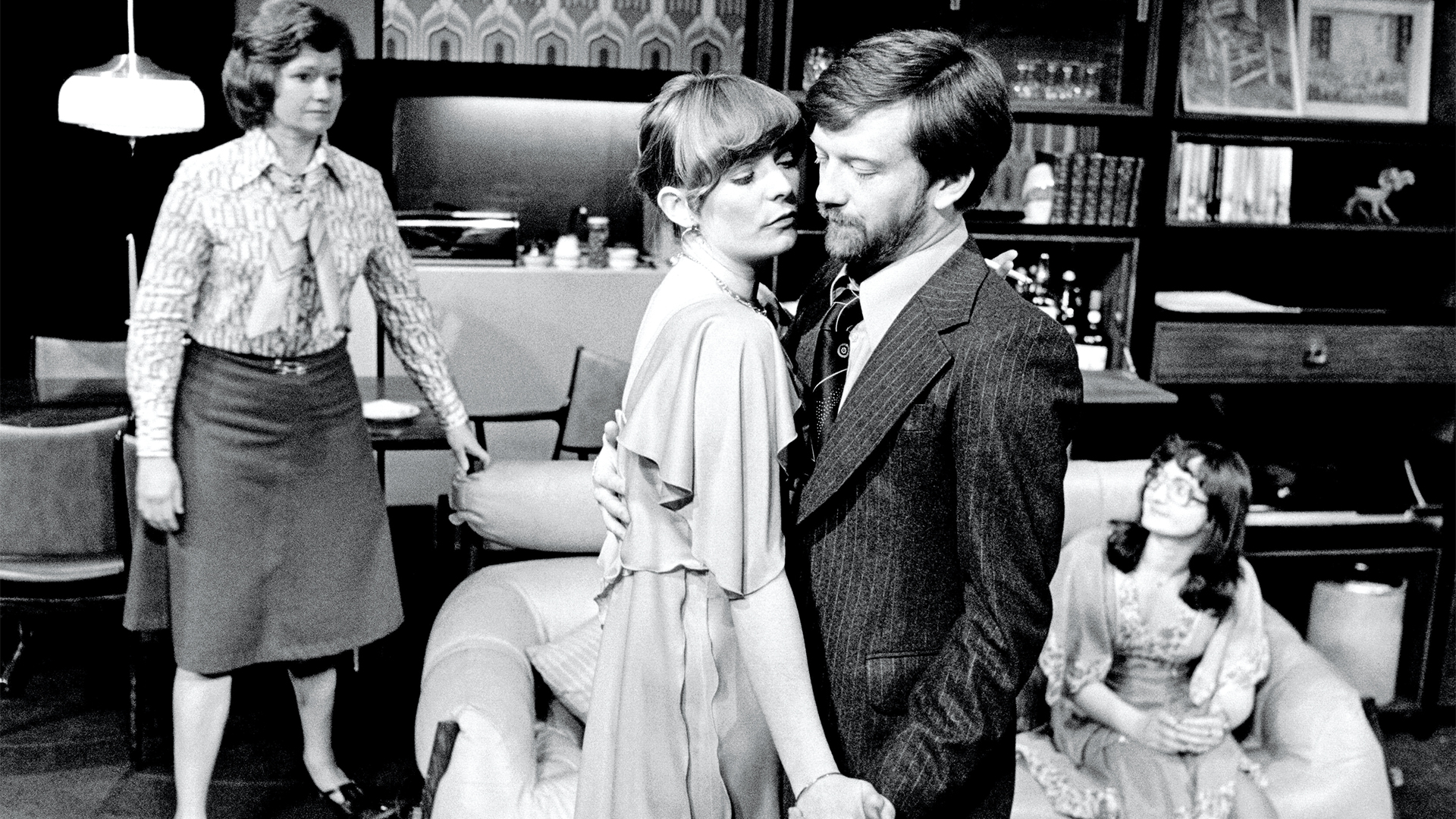
As fascism hovers, austerity holds its nerve and access to basic resources divides the ‘haves’ from the ‘have nots’, these are not the politest of times. Perhaps it was inevitable that something so polite as hosting people for dinner would start to feel out of sync. At least among those devoted to waging war against the class society – for frying bigger fish, let’s say, than salmon fillets.
No serious person would claim to be throwing a dinner party. This has probably been the case since Abigail’s Party hit screens in 1977, but Come Dine With Me has maintained hosting as a source of cringe. Where Mike Leigh had to opt for satire as a means of exposing the petty, competitive nature of aspirational entertaining, Channel 4 can now quite comfortably stage the quiet part out loud. It is there to entertain us, not to inspire us to entertain others.
Get the latest news and insight into how the Big Issue magazine is made by signing up for the Inside Big Issue newsletter
Even having people over, as the self-consciously un-snobbish tried to rebrand it, seems to have lost credibility. Having people over, after all, is still what you do when you don’t want to look outside. Left-wingers are supposed to be serving free community meals, bringing dal to grassroots meetings, stirring vegan slop for rallies.
Socialists, on the side of working people, are not supposed to ‘chatter’; relaxing in cosy settings like the class that rules from their homes – their grace-and-favour homes, their holiday homes, their London pieds-à-terre. Whether you’re already powerful, or desperately striving for status, playing the gracious host can often expose a person to hatred. Taking your guests on a tour of your stately home before discussing the cost of living? Hardly endearing politics. Nibbles? Napkins? Tiramisu? What a sad little life, Jane.
In other words, now is not the time for nice things, or so we have come to feel. The sentiment is not without its theoretical forebears. In 1944, German philosopher Theodor Adorno wrote that every mark of comfort in one’s home was paid for with a “betrayal of cognition”. To content oneself with domestic “achievements” – nice interiors, serving good wine – was a form of self-delusion as to why you could afford it.