Formula E is in pole position as sport’s first-ever B Corp
Formula E was named a B Corp in January. Here’s how that accolade has revved up the all-electric motorsport
by: Stefan Mackley
20 Mar 2026
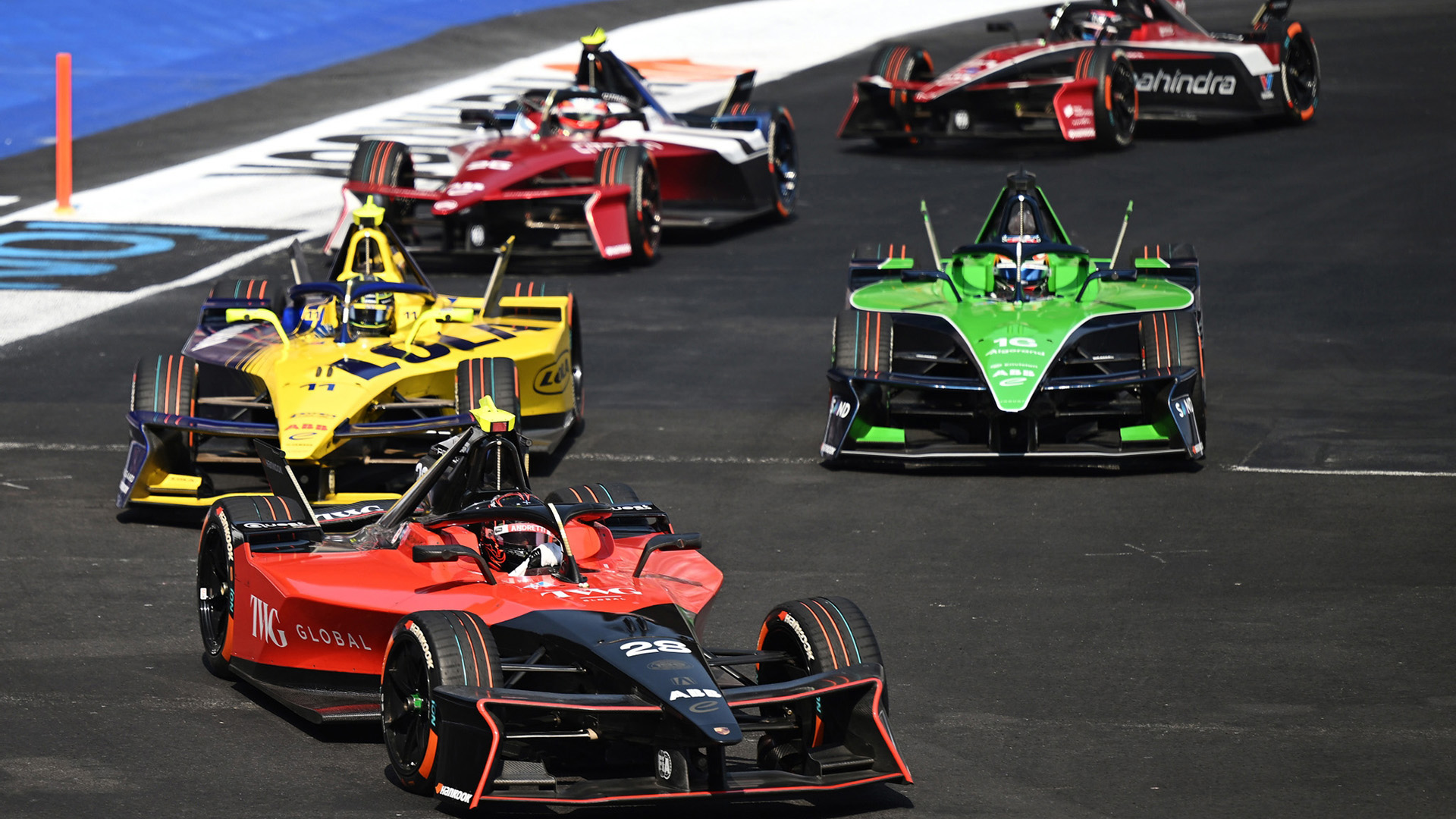
Image: Simon Galloway/LAT Images
Share
“If we were a curling organisation with UK-based locations and a few people turning up on public transport every weekend, you could look at it and go, ‘why can’t we be B Corp certified?’. Instead, we have 400 million fans globally, plus 10 teams and 20 cars travelling to 16 races at 11 different locations around the world – it’s bloody complicated!”
Although Winter Olympic analogies might have been at the forefront of Jeff Dodds’ mind recently, much of the CEO’s focus is on pushing the ABB FIA Formula E World Championship to new heights, with it becoming the first sport of any kind to be awarded B Corp certification earlier this year.
It puts the all-electric racing series, which was only founded in 2014, among a privileged club of approximately 9,000 companies that have also been deemed worthy of the accolade. For Dodds, who took over the series less than three years ago, the purpose of pursuing such a prestigious award was a no-brainer and has been a primary focus since he joined.
The reasons? It places Formula E on a pedestal, even compared with the likes of its more popular and well-established older step-brother – Formula 1 – while also opening the doors for new partnerships and collaborations with other B Corp affiliates.
“Not to be unkind to sport, but sport is not the highest bar in the world,” says Dodds. “When you’re talking about being the most sustainable, the most ESG (Environmental, Social and Governance) friendly, sport is actually at times quite a low benchmark for those things.
Advertising helps fund Big Issue’s mission to end poverty
Advertisement
“So I was very keen that we established ourselves on a tier that was comparable to all businesses, not just sports businesses. Also, that it was not a moment-in-time metric, it was a metric that forced you to continue to improve your position and was very publicly transparent about that – the most obvious place to look was B Corp.”
Founded under the ethos of bringing motorsport to the very heart of major cities while only racing electric vehicles, Formula E has gradually become a world leader in sustainability through various avenues over more than a decade.
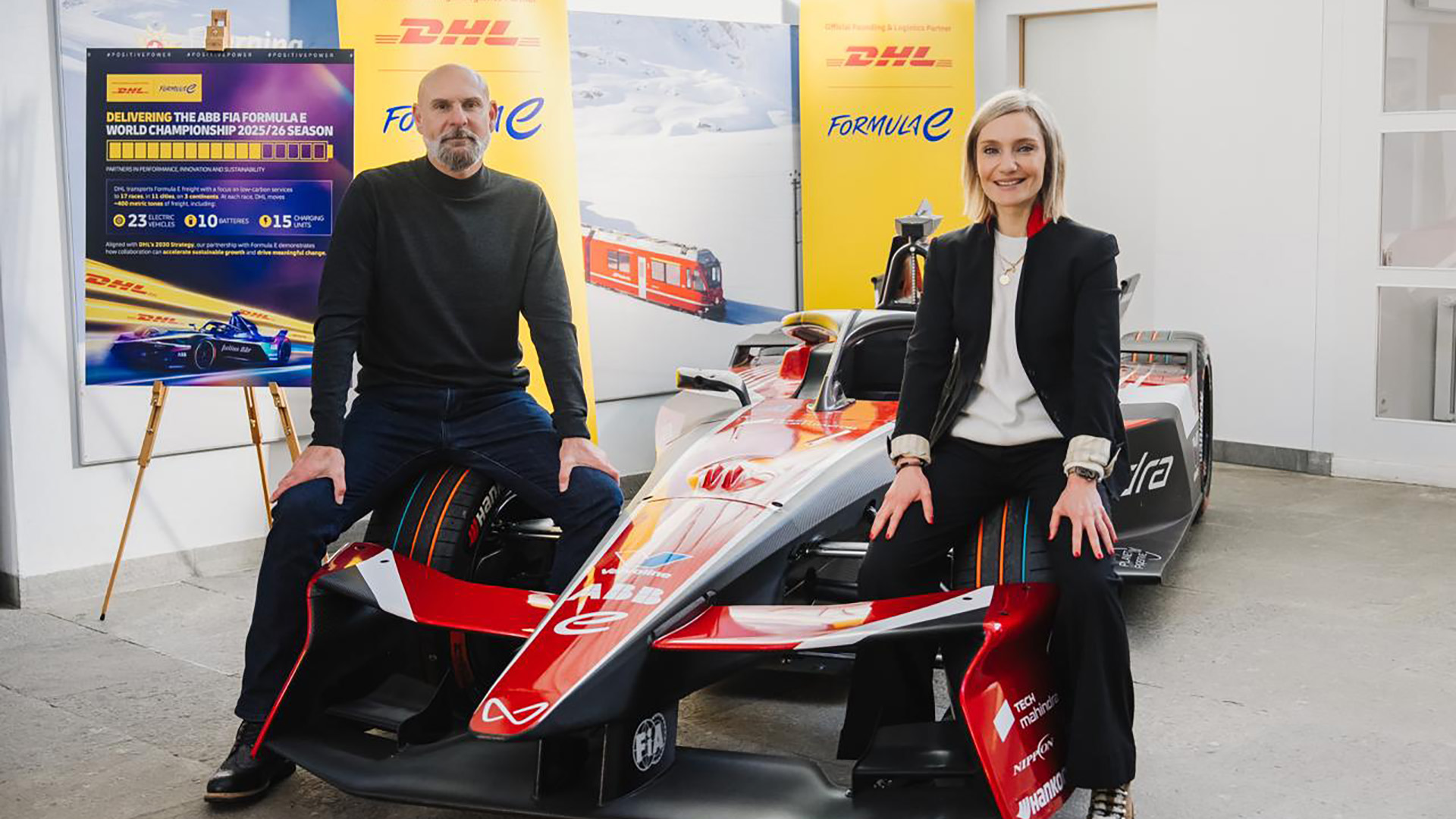
Jeff Dodds and Julia Pallé. Image: Formula E
This has all been done under the leadership of Julia Pallé, who has been with the series since just after its inception and has been the driving force behind Formula E becoming the first sport to achieve BSI’s (British Standards Institution) Net Zero Pathway certification last year.
“B Corp is, in a way, the interface of a lot of things we’ve put in place and we’ve done huge pieces of work around net zero,” she says.
“Being the first sport to achieve the first international independent standards for net zero created by BSI last season was massive for us.
“Everything that revolves around the environmental side of sustainability is quintessential to Formula E because we were born out of the environmental aspect of pushing for EV adoption and making sure that we would create cleaner, greener cities.”
Advertising helps fund Big Issue’s mission to end poverty
There’s certainly no shortage of other initiatives that Formula E has pushed in the last few years, including Girls on Track, which aims to increase female participation in sport both as an activity and as a potential career pathway. Or Driving Force, which is Formula E’s global sustainability and STEM education programme that has impacted 60,000 children.
A key focus has been placed on targeting a new generation of fans, with its core demographic under the age of 35 and considerably younger than more traditional forms of motorsports. It’s perhaps unsurprising when the championship has previously implemented gimmicks such as ‘Fan Boost’ and ‘Attack Modes’ – think Mario Kart power-ups but instead of racing on the game’s Rainbow Road track, the action takes place on the streets of London or New York.
All of these factors have come into play when being assessed and ultimately achieving Dodd’s ambition of becoming B Corp certified.
“It’s the whole company [that’s assessed],” says Dodds. “I think people assume it’s an environmental certification, and of course that’s part of it, but it’s also the way that you work with your employees, the way that you work with your partners, your social engagement, your social legacy. It looks at all aspects of ESG.”
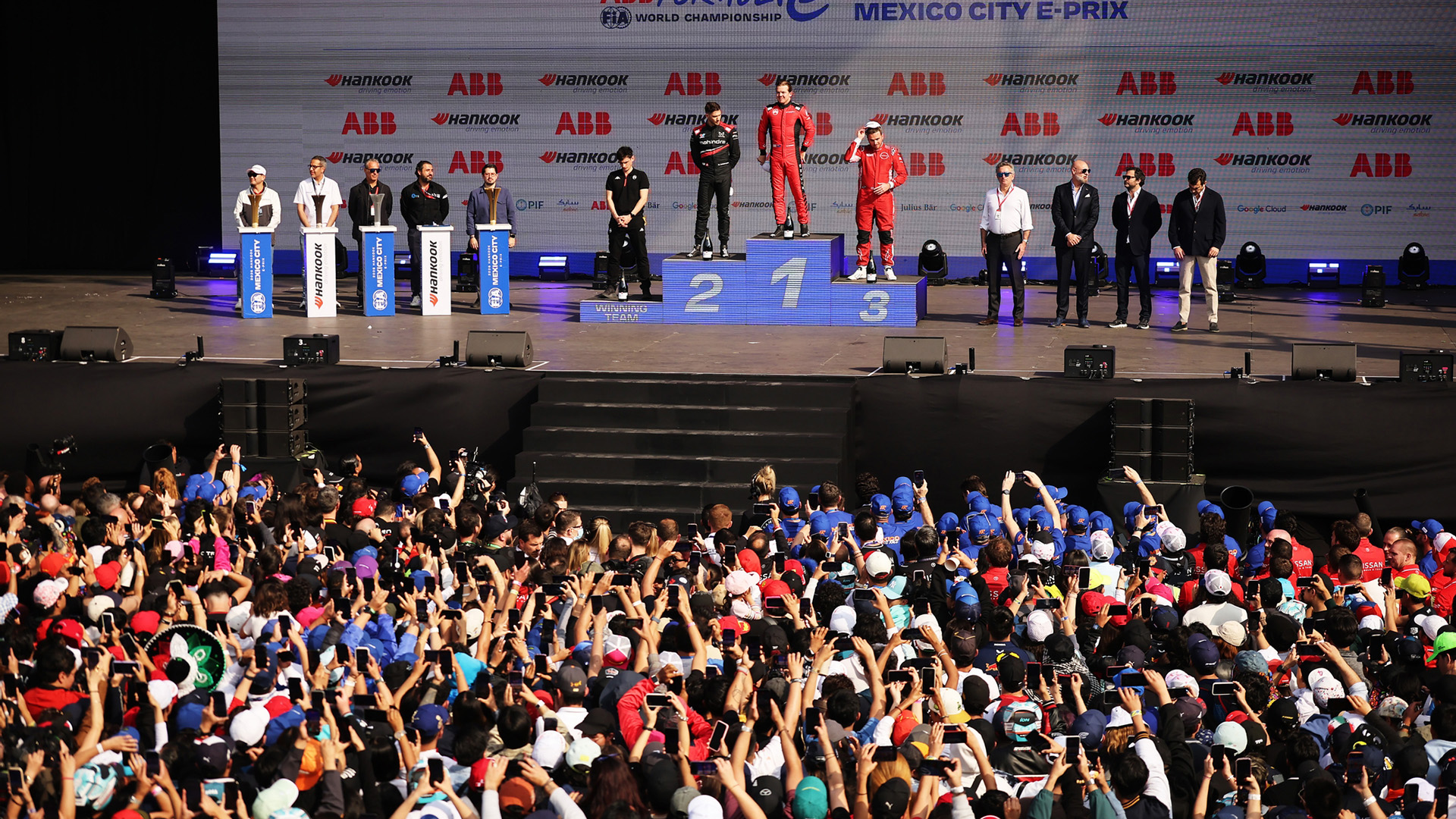
New Zealand’s Nick Cassidy wins the Mexico City E-Prix for Citroën Racing on 10 January. Image: Hector Vivas/LAT Images
While Dodds has made no secret that B Corp Certification has been a target, he is keen to stress that little has changed in the day-to-day running of the business as a direct consequence.
Advertising helps fund Big Issue’s mission to end poverty
The changes have been made because they were required, although they were possibly implemented quicker because Formula E balances its business interests alongside providing entertainment for millions of fans around the world.
“These are probably things that I think a good business does anyway,” says Dodds. “It might have accelerated some of it, and we might have done it more consciously, but there are things like the Better Futures Fund, which is our legacy programme for how we invest in areas after we’ve raced. We always look at investing with a local charity or a local foundation when we go to race in a location.
“Looking at the expansion of Girls on Track, looking at Driving Force, the educational event we do in partnership with the PIF [Public Investment Fund], and looking at our own employee surveys to understand a bit more about how our employees feel about working in the business and what’s engaging them. Looking at ESG groups, different groups within the organisation are able to give us feedback on the working environment and things we can do differently.
“I would argue many of these things are just good practices for a progressive growing business, but we’ve possibly implemented them faster and more consciously because we were going through this process for B Corp.
“I would defy any other company now to say, ‘it’s too complicated to do it’, because if we can do it as a sport, travelling around the world, racing cars in city centres, I’m hoping other CEOs will say, ‘do you know what, if they can do it, why can’t we do it?’.”
Advertising helps fund Big Issue’s mission to end poverty
Change a vendor’s life.
Buy from your local Big Issue vendor every week – and always take the magazine. It’s how vendors earn with dignity and move forward.
You can also support online: Subscribe to the magazine or support our work with a monthly gift. Your support helps vendors earn, learn and thrive while strengthening our frontline services.
Thank you for standing with Big Issue vendors.
Advertising helps fund Big Issue’s mission to end poverty