When famed country singer Willie Nelson’s home caught fire in 1969, he fought his way through the flames to rescue his best friend and bandmate, Trigger. Fifty-six years later, they’re still making music together, and Willie credits Trigger with his success. “When Trigger goes, I’ll quit,” he famously said.
However much Willie loves Trigger, I can guarantee you that Trigger doesn’t feel the same. How do I know? Because Trigger can’t feel anything. Trigger is a Martin N-20 classical guitar.
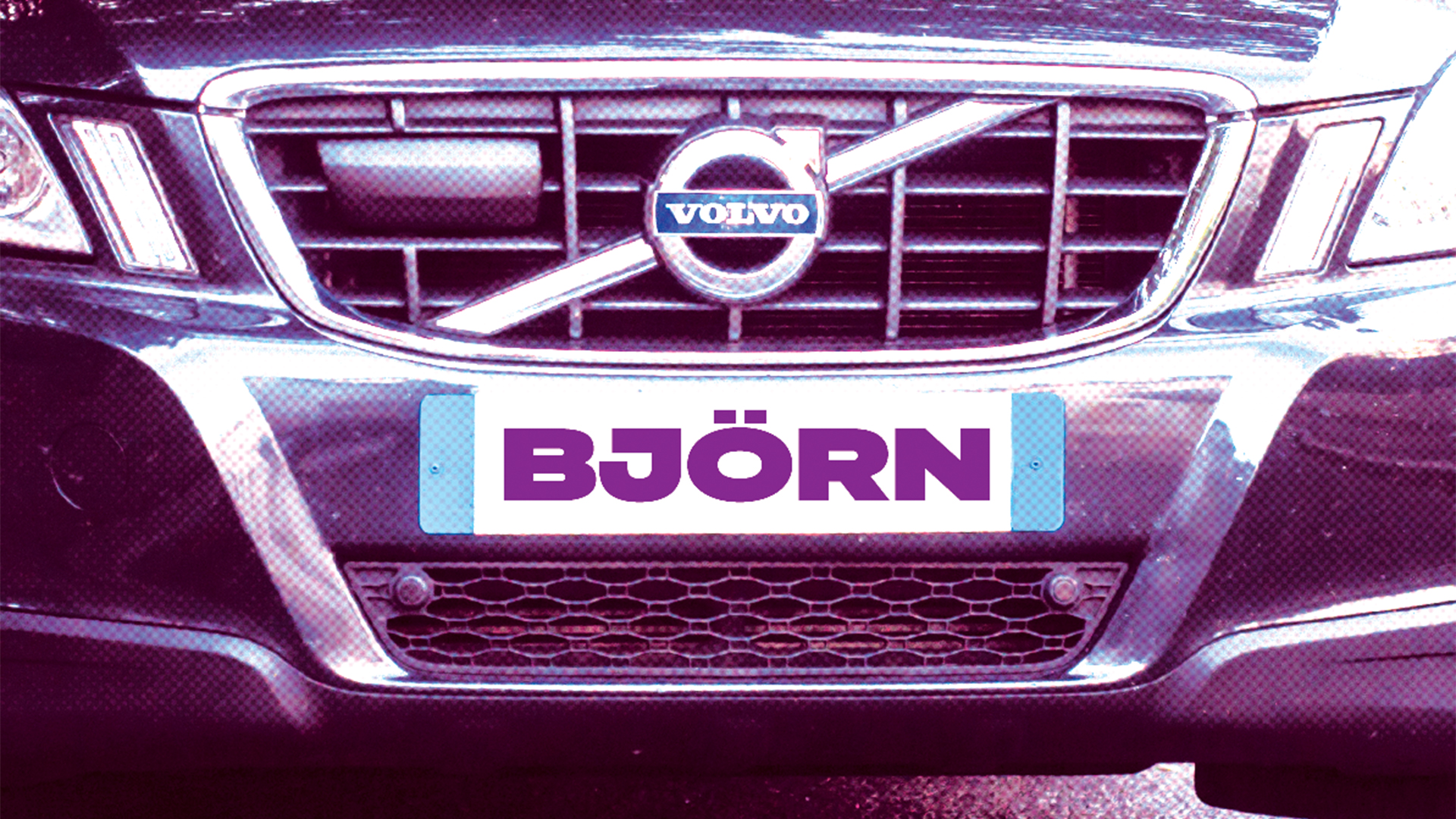
There’s nothing particularly unusual about Willie’s strong bond with his guitar. Humans (especially kids) have an uncanny ability to anthropomorphise the objects in our lives. That is, to treat objects the same way we would a fellow human. To worry about their welfare. To give them names or genders. Surely you know someone who has named their car, boat, musical instrument, or stuffed animal. Maybe that someone is you?
Not only is this behaviour common, it might also be biologically beneficial. Treating objects with a similar level of respect or even love that we’d normally reserve for a fellow human is a quite possibly a behaviour that has been shaped by natural selection.
Get the latest news and insight into how the Big Issue magazine is made by signing up for the Inside Big Issue newsletter
Consider how easy it is for us to anthropomorphise objects. The advertising genius Gary Dahl had the idea to sell pet rocks back in 1975. These ‘pets’ were unremarkable little stones sold in a small box with airholes, and an instructions manual outlining the “care and training of your pet rock”. The manual explained that the rock will be a “faithful, obedient, loving pet with one purpose in life – to be at your side when you want it to”.