I was born intersex but it was kept secret from me my whole life. I still live with the trauma
Channel 4 documentary The Secret of Me will tell the story of Jim Ambrose, who was born intersex but not told by his parents or medical professionals. He hopes it will help others feel less alone at a time when this is still happening
by:
18 Jan 2026
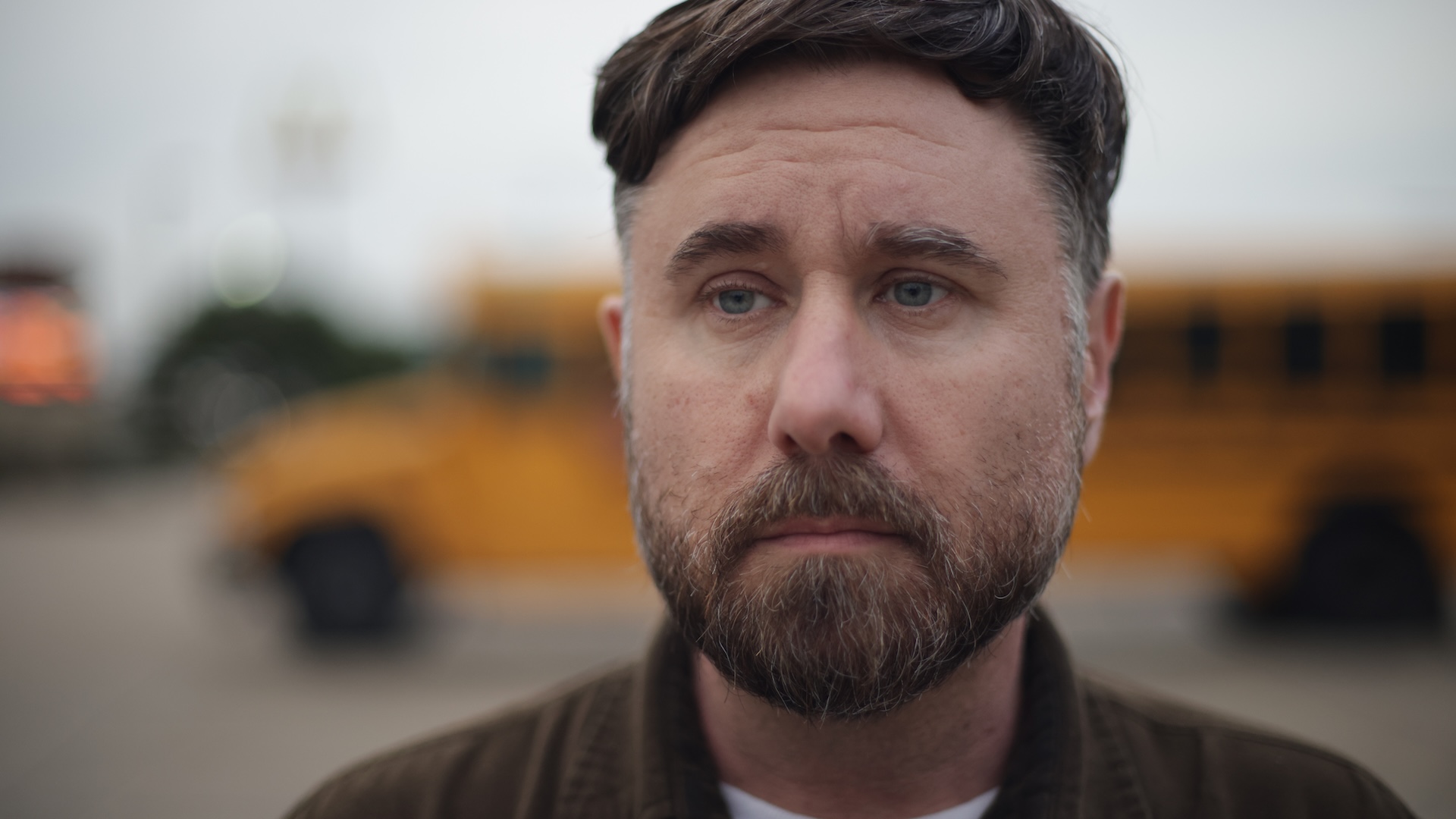
Jim Ambrose is telling his story again in a new documentary. Image: The Secret of Me/ Multitude Media
Share
Jim Ambrose was born intersex, but it was kept from him while he was growing up. Doctors operated on him as a baby to remove his testes, a surgery he believes amounts to “genital mutilation” and “unconscious child abuse”. He was raised as a girl without knowing the truth.
Now in his late 40s, Ambrose has spent decades working through the trauma.
“That’s what happens when you wound children in a unique and specific way. They stop having a relationship with that part of their body that they understand does not belong to them. It belongs to the surgeon or belongs to the parents,” Ambrose says.

Jim Ambrose alongside an image of him as a child. Image: The Secret of Me/ Multitude Media
He speaks to the Big Issue ahead of the release of The Secret of Me, a Channel 4 documentary film about his life. It is made by Grace Hughes-Hallett, best known for the award-winning documentary Three Identical Strangers(2018), which tells the story of triplets adopted as babies by separate families who discover each other by chance as adults.
Ambrose, who has told his story many times but has stepped back from activism and the public eye in recent years, only agreed to reopen old wounds “because Grace called”.
Advertising helps fund Big Issue’s mission to end poverty
Advertisement
The feature-length documentary recounts Ambrose’s life from his early years, from childhood feelings of disconnection from his body, to discovering the truth as a young adult, finding a community of activists, and his struggles with his mental health.
His hope is that it will help others feel less alone. Ambrose was born in 1976 in Baton Rouge in Louisiana, but similar surgeries are still happening worldwide.
Around one in 2,000 babies are born with genital differences that put them at risk of surgical intervention, and so-called ‘corrective’ surgeries for intersex children still occur in most countries globally, The Secret of Me explains.
There is no specific law in the UK prohibiting such surgeries on intersex babies.
Intersex people are also not included in the 2010 Equality Act, and there are fears rights are under further threat following the Supreme Court ruling in April 2025 which concluded that the definition of sex in the Equality Act should be interpreted as ‘biological’ sex only.
This means that a person’s legal sex is the one recorded at birth, which will directly impact intersex people and potentially limit access to single-sex spaces and services – including people like Ambrose who identify as the opposite sex to the one they were assigned at birth.
Advertising helps fund Big Issue’s mission to end poverty
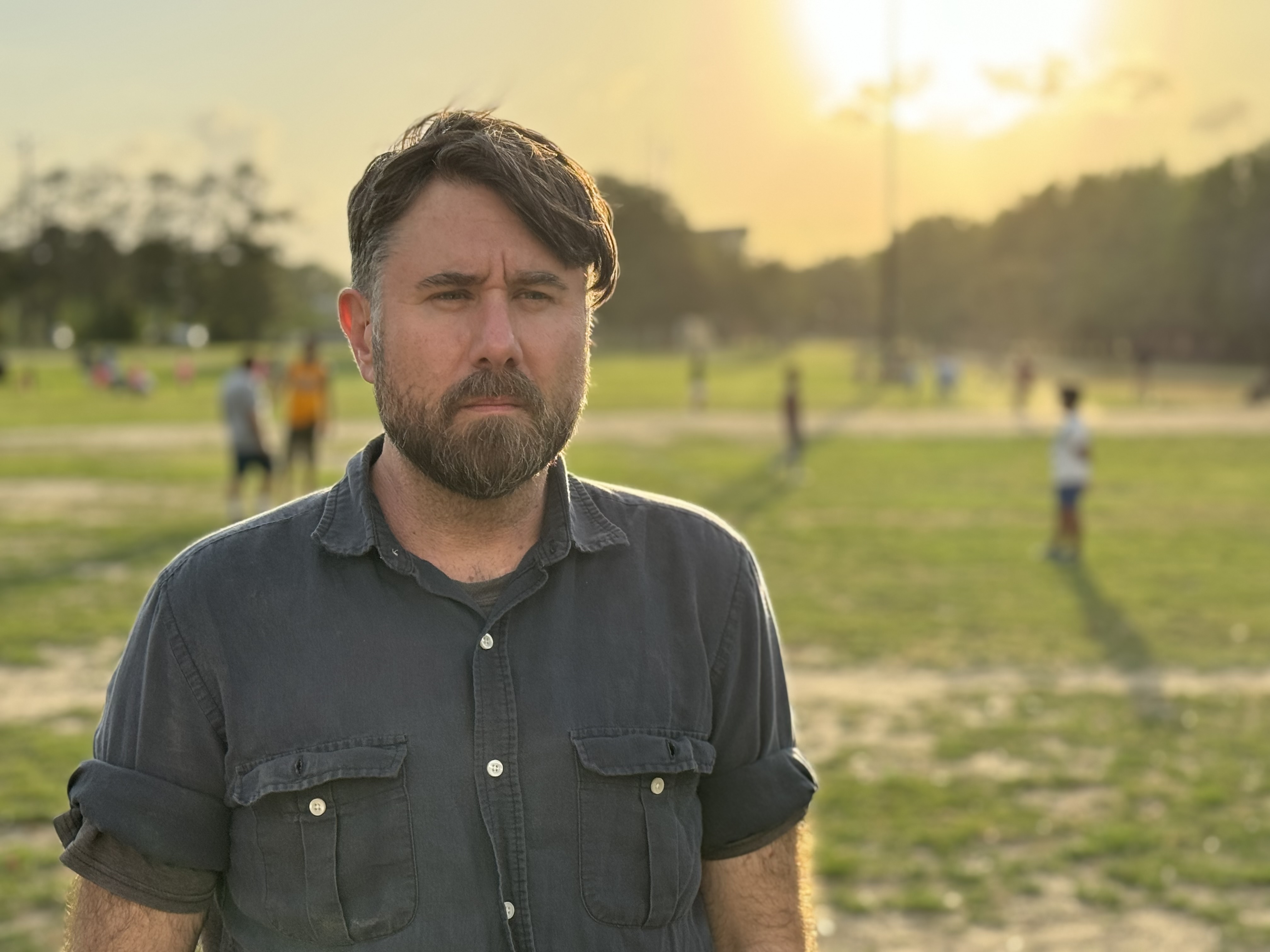
A still from The Secret of Me documentary. Image: The Secret of Me/ Multitude Media
Ambrose had never felt like a girl, including when he was told to start taking oral oestrogen from around the age of 11. The medication was intended to ensure the development of breasts and typical female fatty deposits through puberty.
He did not tell anyone about it outside of his family home. “It was so laden with shame that it was so clear that you were not to speak about this outside,” he remembers.
Ambrose believes he was taking oestrogen non-consensually because he was not equipped with the knowledge about what it was doing to his body.
“I was told at that time that at some point in the future I would have to have a vagina constructed on my body so my husband can have sex with me. Notice the language. It’s not: ‘You’ll be able to experience sexual pleasure with the man of your choice.’ It was very much so your husband will have a vessel to penetrate and ejaculate into.”
Ambrose says he is often asked by journalists whether he fears his story could be damaging to transgender people, because later in life he was unhappy that he had taken oestrogen. It is not a question the Big Issue had intended to ask, because they seem very different situations.
Ambrose had choice and bodily autonomy taken away from him. He is sympathetic to transgender people who want to have autonomy and a right to live as they choose.
Advertising helps fund Big Issue’s mission to end poverty
“My belief is that children’s bodies are their own at any age. If a 12-year-old kid says they want this and they are this and they want this body, that kid requires care, love, compassion, understanding and someone listening,” he argues.
Ambrose obtained his medical records when he was 20. Despite having never felt like a girl when he was growing up, and it taking a toll on his mental health, it was only then he discovered the truth. And it politicised Ambrose. It made him angry.
He moved to the California Bay area of San Francisco, where there was a small community of intersex people. He threw himself into activism in his early 20s and found others who had faced similar experiences, which was “wonderful”, but he still struggled psychologically.
The activism was born out of trauma, and he didn’t realise how difficult it would be to achieve change. He thought he could tell his story and it would spark an end to the practice.
He thought could speak about how these surgeries are causing lifetimes of “depression, self-harm, sexual dysfunction, physical disconnection from parts of your whole body”, and that would encourage people to revolt against them.
But decades of campaigning later, the surgeries are still happening.
Advertising helps fund Big Issue’s mission to end poverty
Ambrose experienced burnout and struggled to continue with activism. He stepped away from it in his 30s.
“Depression compounded on depression. I chose self-medicate in a lot of different ways, and that just makes everything worse. I told young activists that if you decide to speak out publicly, specifically about the abuse that you endured and your family endured, it costs you something. Never forget that it costs you something,” Ambrose says.
He is doing better now and is sober, which is part of the reason he felt ready to speak out about it again in the documentary. “I’ve been loved and supported by a wonderful counsellor I’ve been working with for the past 25 years. I have been loved by friends and partners. But it’s been very painful for the most part.”
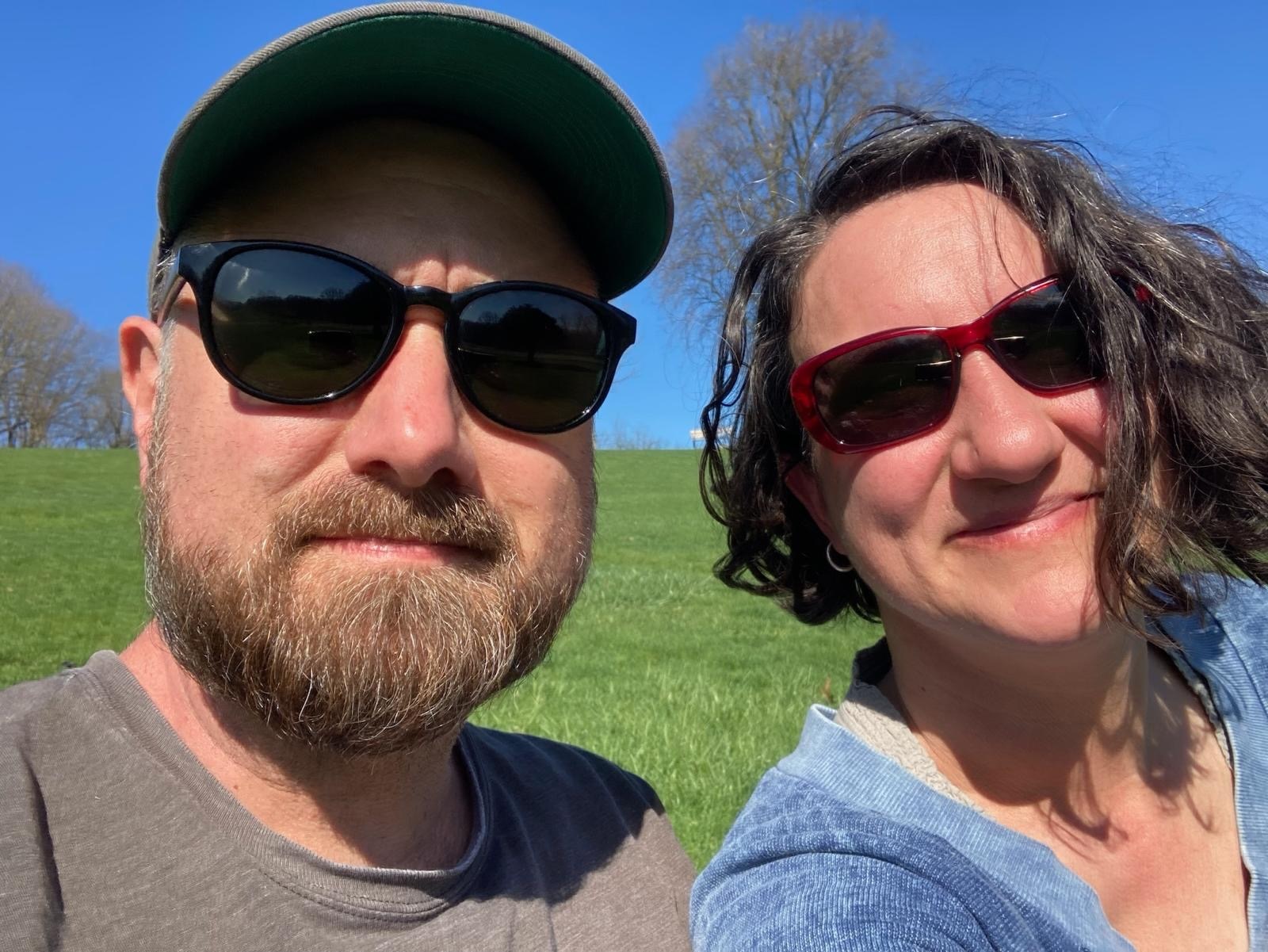
Jim Ambrose and his partner Yvonne. Image: Jim Ambrose
Ambrose says that for his own wellbeing, he has accepted that some minds may never change – and he has compassion for those people too, because he understands that cultural norms which have existed for centuries are contributing to their views. He speaks warmly about his mother and they have a strong relationship now, despite everything.
“These parents don’t sign up to harm children,” Ambrose says. “It’s a cultural belief that genitals must look this way and therefore must reinforce the fiction that genitals come in two sets. Once you realise that what you’re working against is cultural, generational and entirely human, then you’re like: ‘Oh, shit. That’s what we’ve been working against.’
“No wonder that person stared at me like I had three heads. It’s not that this person wants to harm babies. It’s because it’s an entire cultural belief that bodies are supposed to look one of two ways. I used to think about it as a sprint, but it’s a multigenerational marathon. A cultural change has to happen.
Advertising helps fund Big Issue’s mission to end poverty
“I think people with resources will always find a way to make their children look a certain way, the way they are comfortable with. People do not believe that children’s bodies are their own from the day they are born. I had to accept that I’m not talking to conscious child abusers. I’m talking to unconscious child abusers. These are people who do not know what they are really doing.”
The Secret of Me airs on Channel 4 at 10pm on Tuesday, 20 January.