Podcasters, comics and cowboys: 25 Americans discuss the state of the USA on its 250th anniversary
The USA is more divided than it’s been for decades. What do Americans make of its present and future?
by: Tom Horn
4 Jul 2026
Share
We need to talk about America.
The nation is about to celebrate the 250th anniversary of the signing of the Declaration of Independence and the start of its shotgun rise to becoming the leader of the Western world.
But all is not well. The USA is more politically and economically divided than it’s been for decades at home and is wreaking havoc abroad. Is this the beginning of the end for one of the most consequential world powers ever or a Trump-shaped teenage tantrum?
Ahead of the anniversary, Big Issue spoke to 25 Americans to get their views on what’s made the nation so successful, the big issues affecting them, and whether they’re optimistic for the next 250 years.
Politics and polarisation
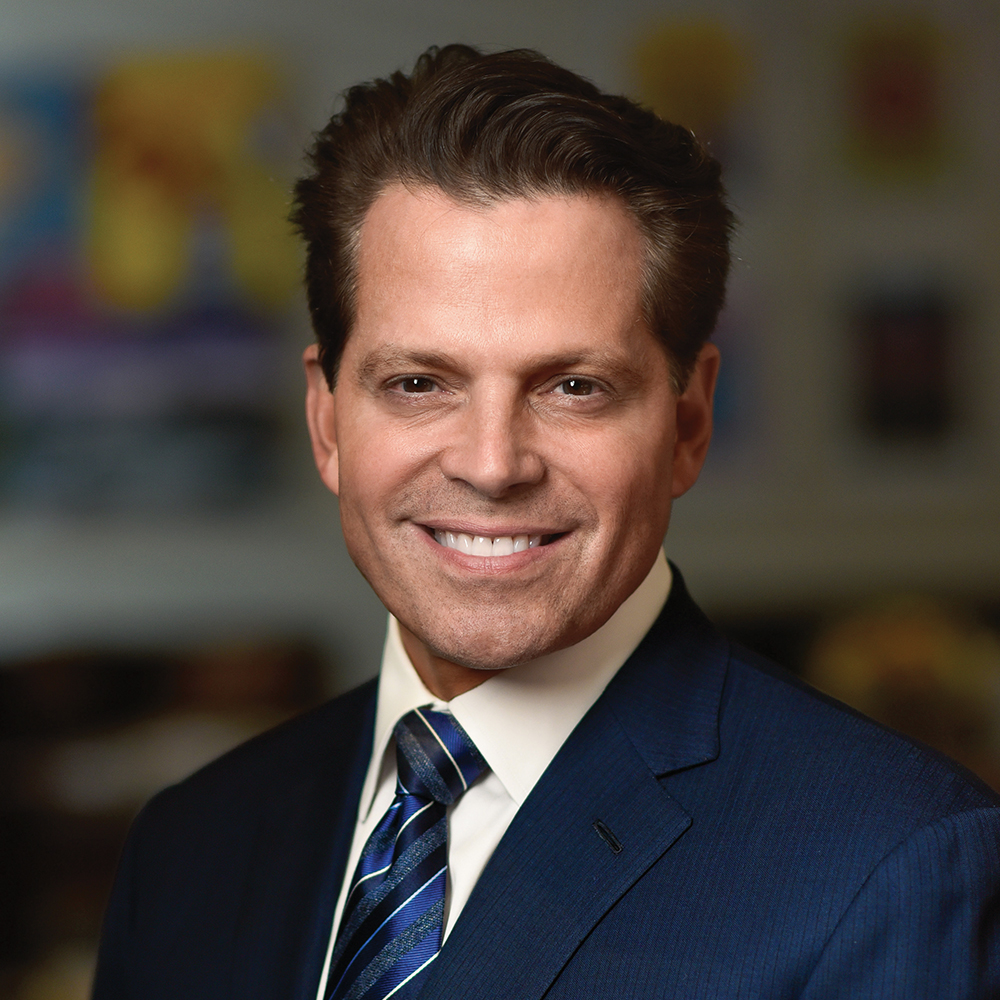
Anthony Scaramucci
Financier and broadcaster who served as White House communications director during Trump’s first term. He now presents The Rest Is Politics: US
Trump is doing horrifically. He’s hurt the country’s standing globally; he’s damaged our brand; he’s hurt our economy; he’s raised every price in our society through the Iran war and the illegal use of tariffs; he’s increased the bellicosity of rhetoric and discourse in the country… He’s had a consistent string of horrific behaviour and yet he’s sitting in the king’s castle surrounded by courtiers telling him how well he’s doing.
Advertising helps fund Big Issue’s mission to end poverty
Advertisement
Americans are frustrated by politicians only acting in their self-interest, and think they’re no longer in the job to serve the public. When Harry Truman was president he wasn’t trading internet stocks or buying digital currencies for himself but Trump’s doing that and it’s causing damage to the office of the presidency.
Things may not change after Trump though. Zohran Mamdani [New York City’s newly elected populist Democrat mayor] and Trump have a lot in common. They’re left- and right-leaning, but they’re governing similarly so you could end up with even greater entrenchment in the population, which would be very damaging.
But I’m optimistic for the future because we’ve been in bad periods before, like the Great Depression and the Civil War. Americans go through a bad time every 80 or so years, and then we look at ourselves and say ‘Wow, that was messed up, we have to reflect, redeem and then renew ourselves.’ That time is coming and, weirdly, Trump is helping because the worse he is doing, the more reflective the smartest people among us are.
Keep reading the journalism that powers our mission
Register free to continue and learn more about the stories, campaigns and the support we provide, helping people facing poverty across the UK.
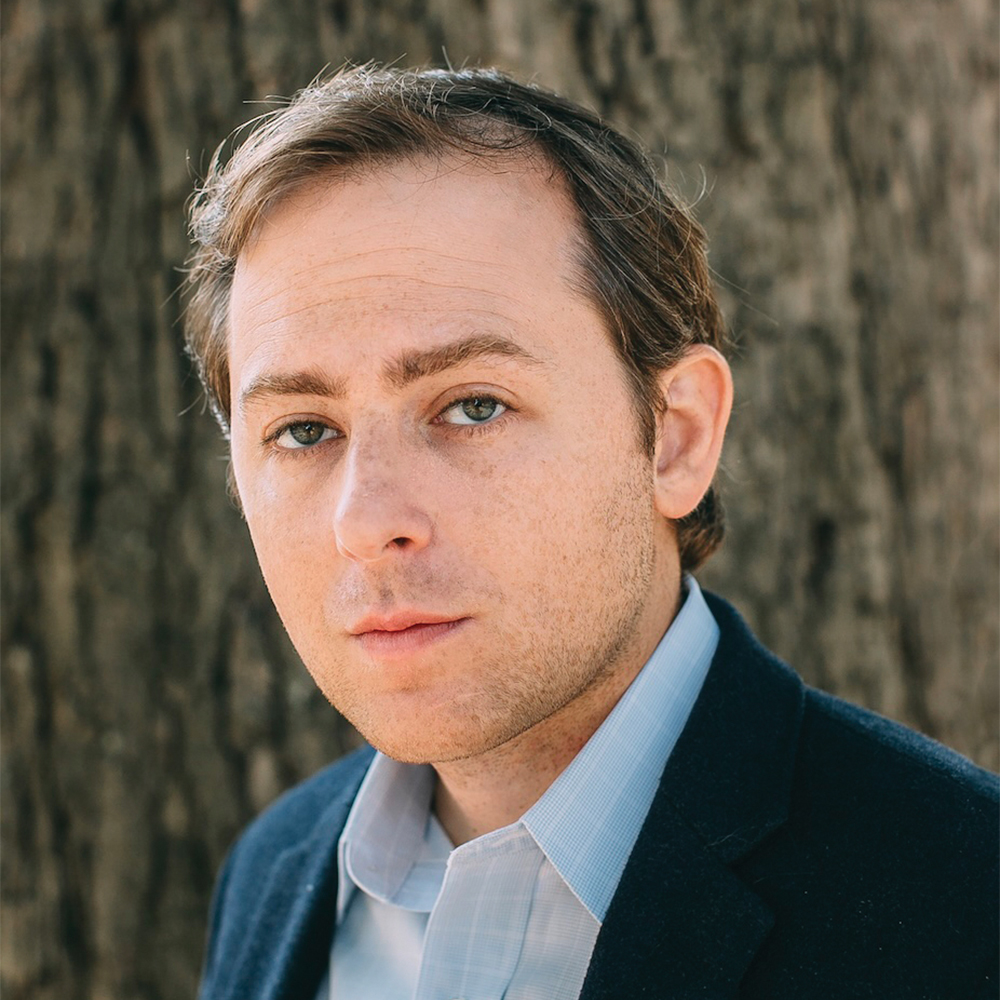
Author and former speechwriter for former president Barack Obama
Trump is deeply unpopular. In his first term, people didn’t really like his style, but they liked his economic results. Now, people are saying MAGA is not just distasteful or doing things I don’t agree with, it’s hurting my pocketbook.
But there’s not a clear sense of what will replace Trumpism and that Democrats have a good answer. When I was growing up, I would say Democrats fight for the little guy. I don’t think most Americans agree with that statement any more, I don’t think anyone’s fighting for the ordinary person.
I still think there’s something special about America. Obama said: “Only in America would my story be possible.” It’s certainly true of my own story – seven of my eight great-grandparents came from Tsarist Russia, and all of them were Jewish – and I think it’s true of a tonne of American stories.
I remain a long-term optimist. I think about the Churchill quote, that you can always count on America to do the right thing after it’s tried everything else [the saying is widely attributed to Churchill, but there’s no official record of it]. It does feel like we’re trying everything else these days, so hopefully we will get around to doing the right thing sooner rather than later.
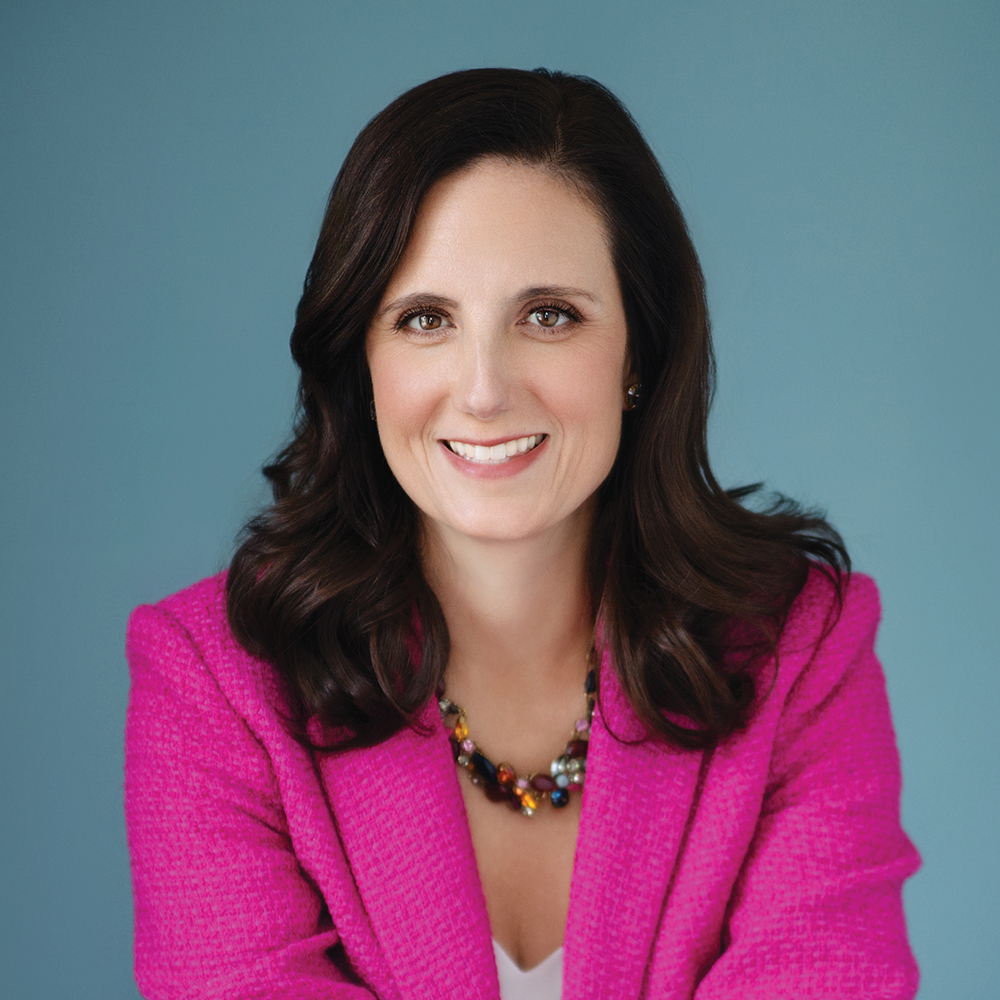
Whitney Austin
Executive director at the Whitney/Strong Organization, dedicated to ending gun violence. She was shot 12 times in a mass shooting in 2018 and has called her survival “a miracle”
I’m more optimistic than ever that we can find common ground to end gun violence, because we’re seeing hope turned into action. Leaders of several states with strong gun rights traditions have recently worked across the aisle to pass legislation banning handgun conversion devices, and we’ve made significant progress in Kentucky as well, passing the House [of Representatives] with a strong bipartisan majority.
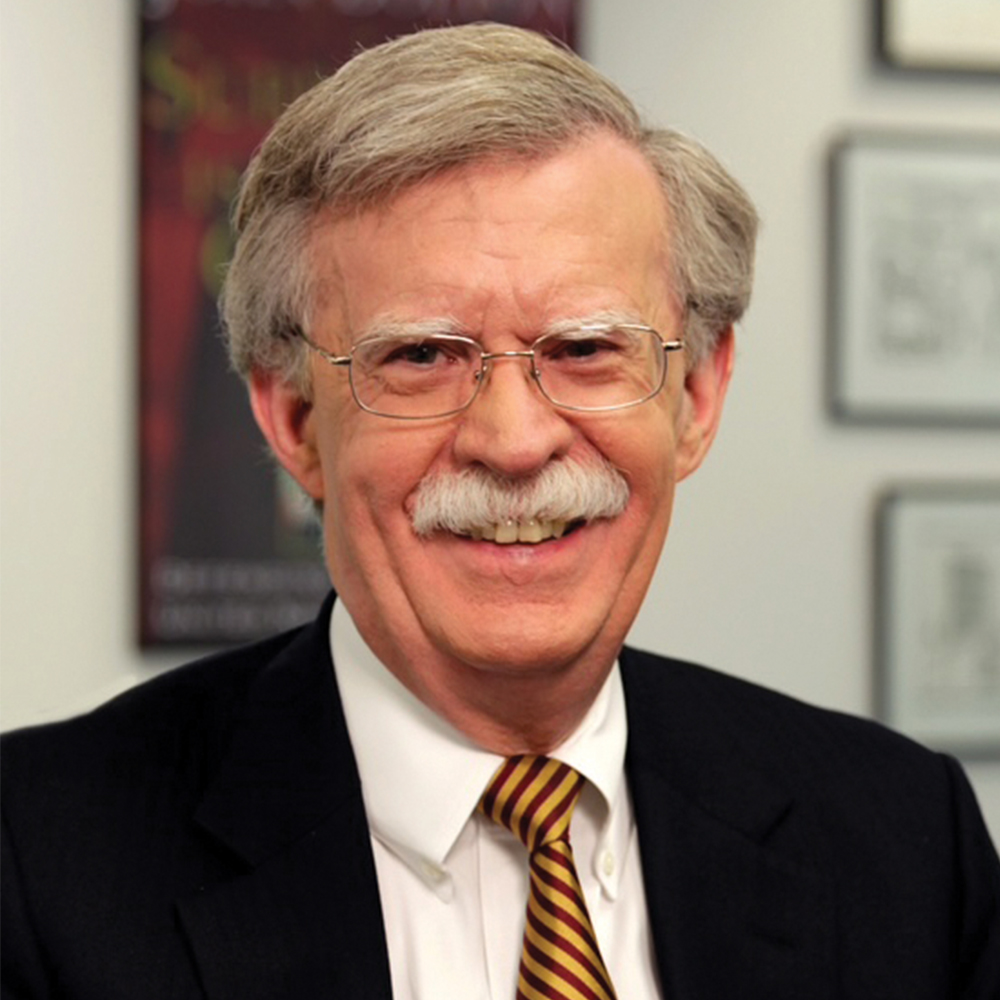
John Bolton
National security adviser during President Trump’s first term, and US ambassador to the United Nations under former president George W Bush. In October 2025, Bolton was criminally indicted and accused of illegally sharing top secret information about national defence. The charges against Bolton, a Trump critic, are seen by many as politically motivated
I read Trump as an aberration in American history, and I don’t think he’ll be succeeded by another Trump, because I don’t think there are any other Trumps out there.
This is a moment of change, but I don’t see it differently than how people saw the bicentennial in 1976. We had just been defeated in Vietnam; Nixon had been forced to resign in disgrace – the first time in American history that a president had been forced from office.
People could have said well, that’s the end of American pre-eminence. It looked pretty grim, but it turned out not to be so.
We have an unfortunate president in the White House, but that doesn’t mean that when a more normal president, Democrat or Republican, is elected that things don’t change.
Since I worked with him, Trump hasn’t lost his faculties, he’s lost his inhibitions. A lot of what you see in public today, we saw in private in the first term: he’s just as confused, disorganised and disorderly as he was day after day. His supporters say he plays a very complex game of three-dimensional chess and people just don’t understand how brilliant he is. I’m here to tell you he doesn’t play chess at all.
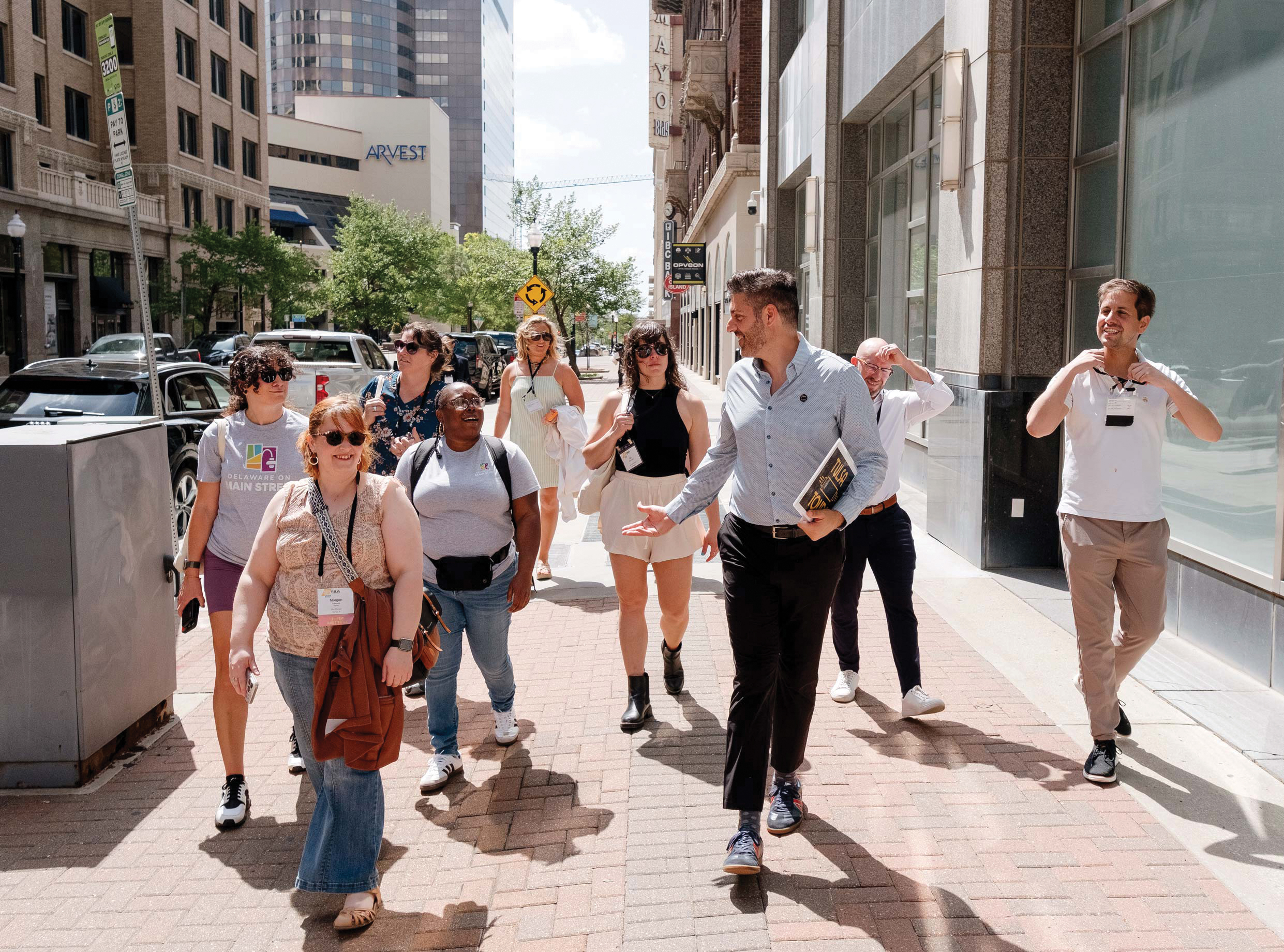
Runs a small tour guide business in Oklahoma state
Broadly, 2025 was not a good year for small businesses because of the political situation generating a lot of uncertainty in the economy. Not that things are more certain this year, but I think people are beginning to cope with that.
Politically, the country is very polarised, and Oklahoma has been at the very Republican end of that. I have friends in New York that still won’t visit me here.
On the tours, you get to see a shared humanity and a shared interest in culture, so those state lines and political divisions really don’t mean anything.
Matt Friend
Comedian and impressionist with two million Instagram followers. Famous for impersonating celebrities to their faces, he recently encountered King Charles on his state visit
We’re in an era where people pick a lane and that’s what they stick to. I’m more interested in putting myself in challenging situations and getting as wide an audience as possible.
Opportunities like the White House Correspondents’ Dinner and being able to mock the leaders of my country to their faces is a reflection of the time that I live in: I just impersonated the King of the United Kingdom and my head wasn’t chopped off!
We’re in a big situation right now in this country. I don’t know how we get out of it.
We were always divided in America, but I think social media is a major problem. It’s wonderful for getting you into the hands of people and creating stories but it’s a mixed bag.
It’s amazing America has got this far though. It really is the best country in the world.
Civil rights and protest
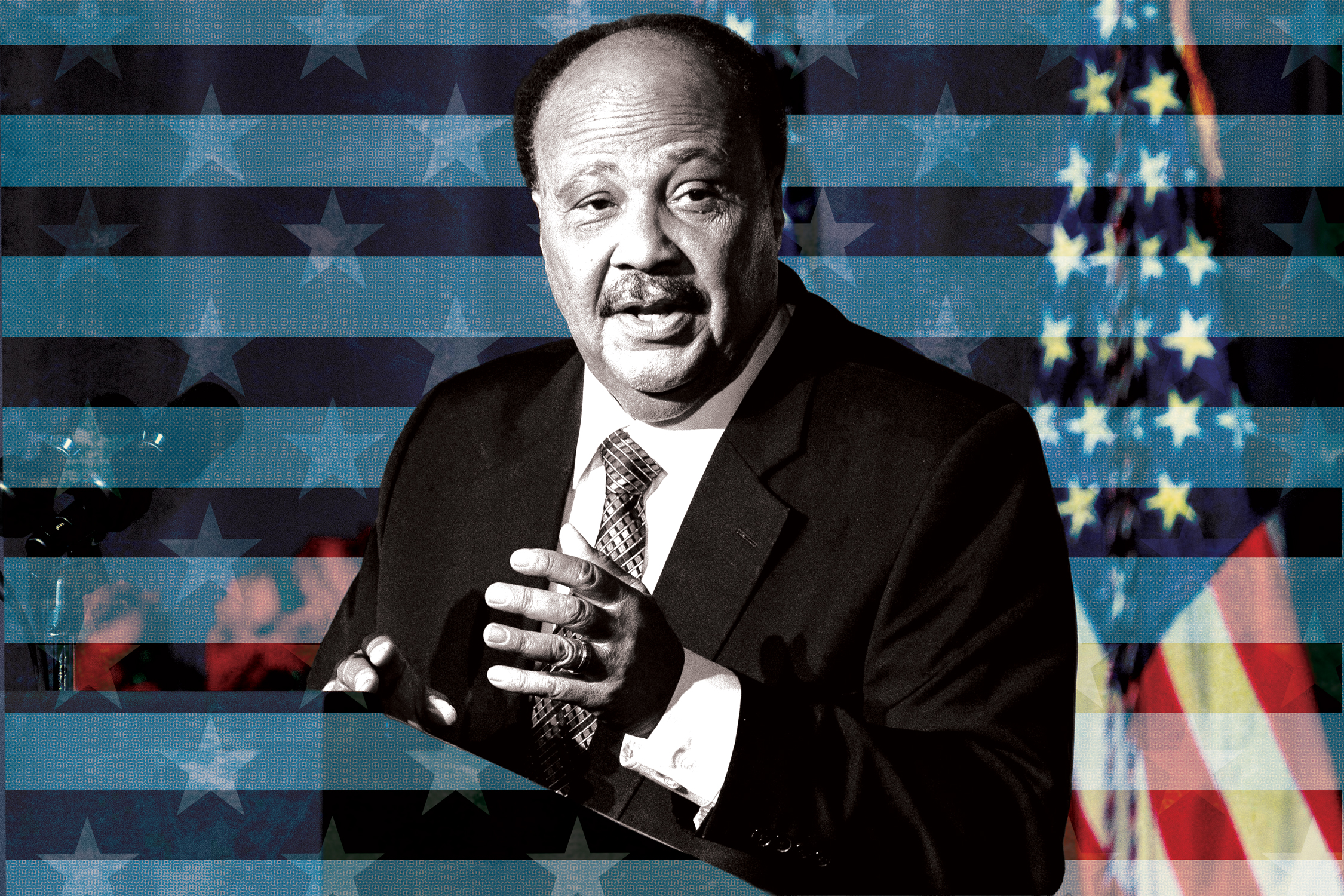
Martin Luther King III
Image: Daniel Torok/White House Photo/Alamy Live News
Civil rights activist, humanitarian and son of civil rights pioneer Martin Luther King Jnr
We have made meaningful progress as a nation since my father delivered the ‘I have a dream’ speech. Laws have changed, doors that were once firmly shut have been opened and barriers that seemed immovable have been challenged and, in many cases, removed.
But we have to be equally honest that the dream remains unfinished. The full promise of equality, justice and shared prosperity has yet to be realised for far too many people. The distance between the ideals we celebrate and the reality people experience in their daily lives is still too wide.
We have experienced setbacks before, and, unfortunately, we will likely experience them again. The reality is that repairing damage of this nature is not immediate. You cannot restore institutional trust or heal deep divisions with a single election or a single signature. It will require sustained commitment. We are living in a time of deep division, but I have always believed that what divides us can be healed when we return to our shared humanity. We also have to be willing to engage across our differences. Too often, we isolate ourselves within like-minded spaces, but real progress requires honest conversation with people who see the world differently. That kind of dialogue builds understanding, even when it does not produce immediate agreement.
My father taught that love is one of the most powerful forces for change we have. If we lead with love, empathy and a willingness to connect across divides, we can begin to heal.
Brandon Wolf
Wolf works for the Human Rights Campaign, who are part of the No Kings Coalition organising anti-Trump protests. Eight million people across the US attended their latest march
People are really tired of a Trump administration that is deeply corrupt, profoundly incompetent and seems hellbent on rolling back progress instead of offering solutions to people’s everyday problems, so they’ve taken to the streets.
Pretty famously, we don’t do kings in this country. We’re not gonna start now.
But Trump has never been the root of the problem. He’s always been a symptom of the bigger issues we’re facing. It will be interesting to see what happens in the post-Trump world: when 2028 comes around we are faced with a question about who we want to be as a country.
Ivanna Gonzalez
Chief campaigns officer for Florida Rising, a multi-racial campaigning and community organisation
The threats against non-profit, independent political organisations are real. Florida lawmakers recently approved legislation aimed at labelling organisations as domestic terrorists with virtually no due process or guardrails against abuse.
There are many reasons to hit the streets and protest at the moment: the skyrocketing cost of living while billionaires’ and big tech corporations’ earnings are growing exponentially; the unprecedented authoritarianism and corruption of the Trump regime; the US/Israel military aggression against Iran and its devastating consequences worldwide; the mass deportations, and ICE’s violent actions against documented and undocumented immigrants, citizens and legal residents in many cities and towns across the country.
Immigration and identity
Joseph J Ellis
Pulitzer Prize-winning historian specialising in the founding of the USA
We’re moving through a distinctive and troubling chapter in our history. Roughly a third of the American white population continues to harbour racist and sexist values. In the future, I hope we embrace the fact we’re the most interracial country in the world. If we do that, we’ll recover our greatness and move past this particular chapter.
Evelyn Vargas
Leadership and development organiser at Organized Communities Against Deportations
The history of the United States is a history of migration. The US has always approached immigration policy as a matter of economic interest, controlling the flow of migration to a select few. There are people who [see ICE raids and] say that this is not the country they remember but they’re wrong. The federal government is carrying out the function it has always intended; it’s just doing so more effectively at present. Now, you don’t have freedom of speech if you’re exerting your right to monitor ICE abductions. Civil rights have eroded across the board.
Shannon O’Loughlin
Citizen of the Native American Choctaw Nation of Oklahoma and chief executive of the Association on American Indian Affairs
Around seven million Native Americans live in the US, governed by 575 groups known as nations. Historically, they have faced forced assimilation, land dispossession, kidnapped children, forced military and religious education in boarding schools, and efforts to terminate Native nations altogether. Native nations are still navigating systems built on those past efforts to control and limit their sovereignty. The United States continues to fall short of honouring its treaty and trust responsibilities.
Native peoples have lived on Turtle Island [the continent of North America] since time immemorial. They existed long before the formation of the US. We’re not just a part of the past; we’re part of the present.
Foreign affairs
Matthew Barzun
Businessman and former US ambassador to the UK and Sweden under President Obama
The US-UK relationship is like two stars in the same constellation. Each star is distinct yet connected, each stands out and still fits into something bigger and more powerful than it could ever be alone.
Of course there are differences between the two, but I do think it’s a special relationship. When I used that phrase as ambassador, I’d often get two reactions: instant head-nods or instant eye rolls.
Pundits tend to either dissect the degrees of ‘specialness’ or boldly predict the relationship’s death but the more important word is the second one: relationship.
The biggest misunderstanding about the relationship is the idea that we’ve done hard things together because we’re friends. It’s actually the other way around: we are friends because we’ve done hard things together.
So when I see disagreements, it gives me both concern and confidence. Concern, because the differences are real. Confidence, because we have the history and the habits of working through them together. Just like any relationship, be it a marriage, diplomacy or democracy, it takes work.
Kenneth R Rosen
Geopolitics expert and author of Polar War: Submarines, Spies and the Struggle for Power in a Melting Arctic
The US has ridden high on its successes and alliances that were built after the Second World War and, despite numerous hiccups like Vietnam and Iraq, has benefitted from its role as the world’s singular progressive democratic champion.
This influence and dominance are testament to the effectiveness of its ‘soft power’ initiatives: assisting other nations in need and providing security for its allies. The steep slide into authoritarianism in America has been ushered in by the dismantling of those alliances and its influence abroad.
The next 250 years may not look so rosy. America is pulling back from global engagement and has a detrimental lack of abilities enabling it to be a global force.
Patriotism and the American Dream
Bill Thomas
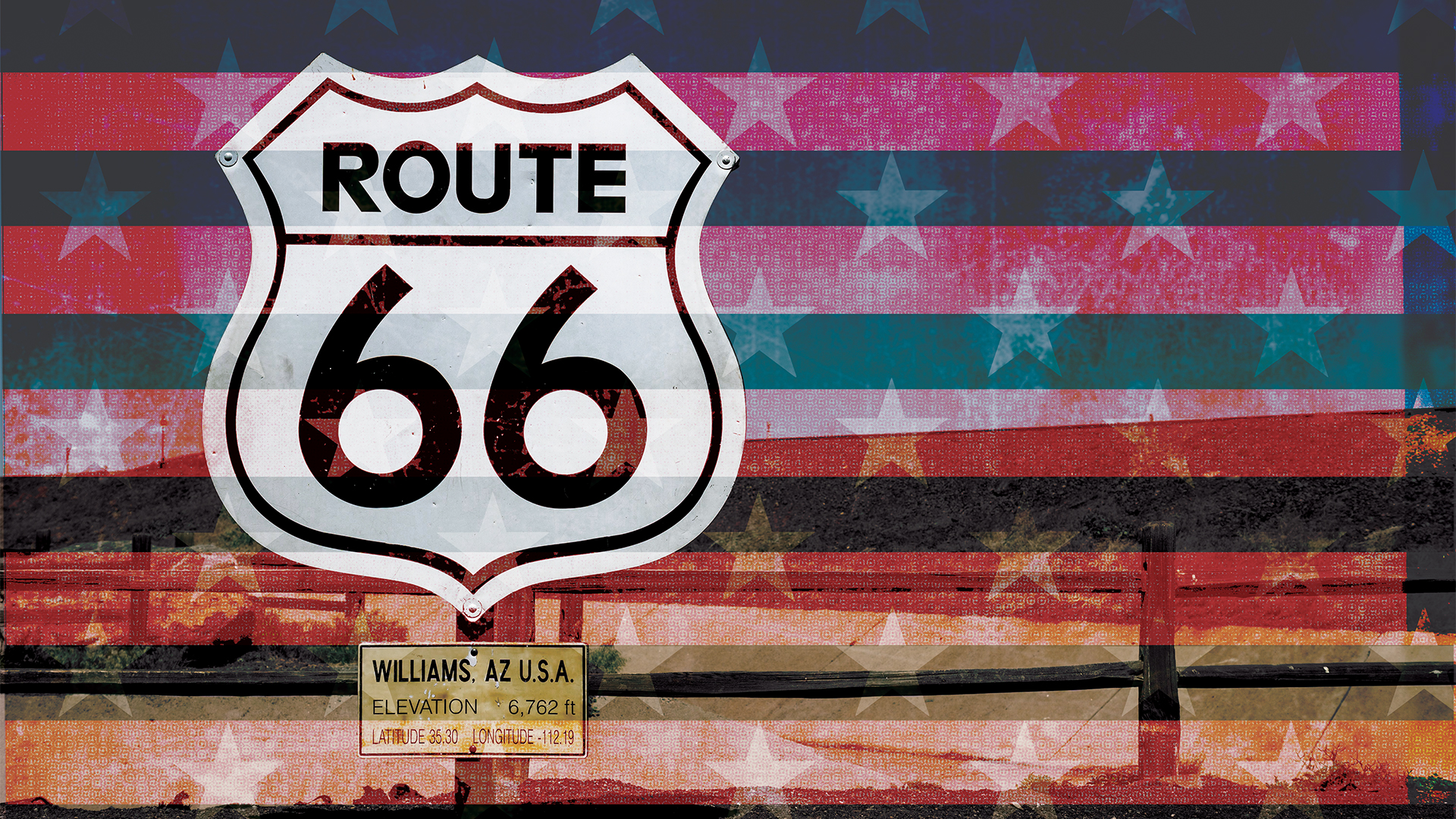
Commissioner on the US Route 66 Centennial Commission. The iconic road turns 100 this year
The Route 66 story includes both opportunity and exclusion, prosperity and displacement. That mix of myth and reality is essentially the American story in miniature.
The road’s history is full of reinvention. Towns that were nearly wiped out when the interstates came through have slowly rebuilt themselves. That resilience is one of the healthier American traditions.
If the United States at 250 can lean into those values – honesty about the past, creativity in the present and a sense of shared obligation for the future – then the old road that once promised freedom and opportunity can help point towards a more mature, hopeful version of the American Dream.
Carson Floyd
High school history teacher
There has been a lot of pessimism in American society recently but the worry about the future is generally misplaced. Populist movements in the US are nothing new and have always burned out. I expect a shift back towards the middle as people grow weary of our current political landscape.
I am proud to be an American. I love that I can traverse the country from the beaches of Florida to the mountains of Colorado and find a people connected in beliefs, language and united under one government. There remains a belief that Americans are different, perhaps better than other nations. I appreciate this level of pride.
Chris Waldhaus
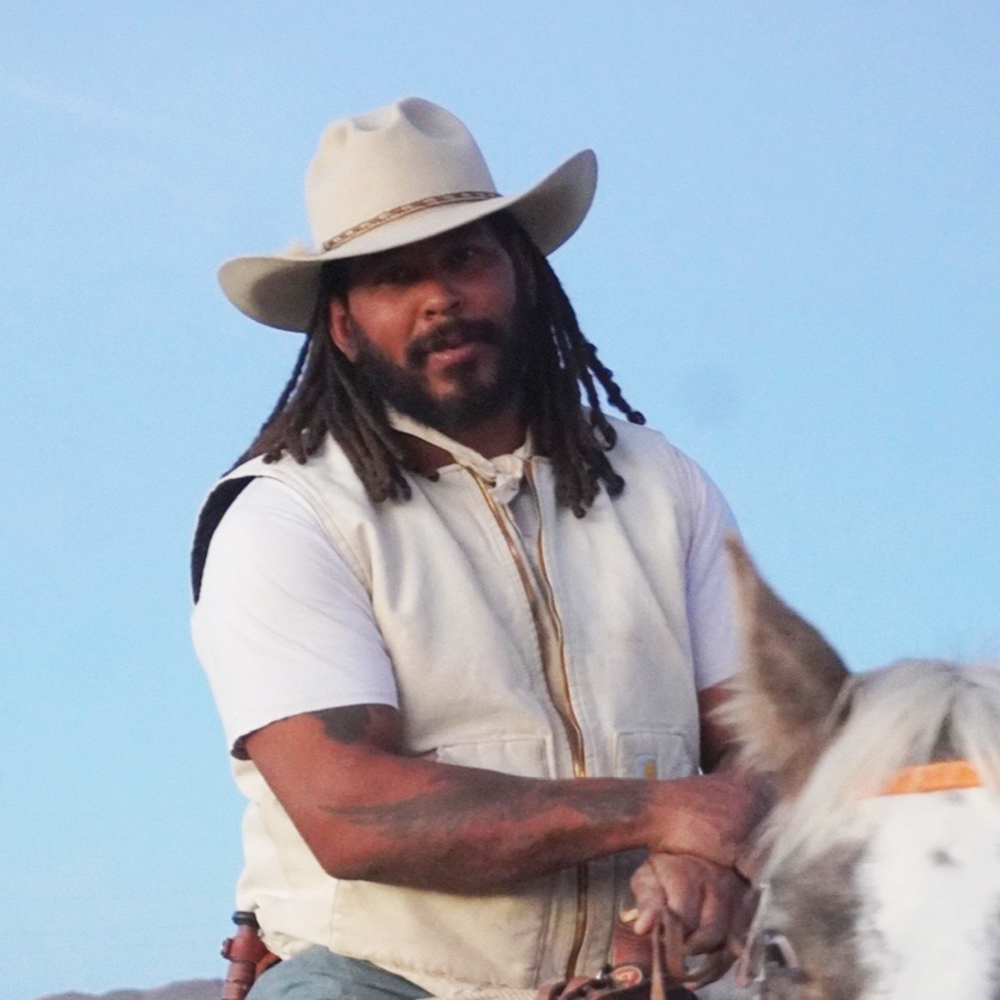
Founder of Cascade Trails Mustang Sanctuary in California. He works on a ranch as a modern-day cowboy
I still believe in the American Dream, but I don’t believe it’s handed to anybody.
To me, the Dream isn’t just money or comfort, it’s the freedom to build something with your own two hands. The cowboy represents that because he keeps riding even when the trail gets rough. He adapts. He endures. He protects what matters. He gets stuck and learns how to get unstuck.
That dream is still alive anywhere people are willing to work, sacrifice, and believe in something that’s bigger than themselves.
I am optimistic, but not blindly. America has challenges, but this country has always been shaped by people willing to get their hands dirty and build through uncertainty.
Housing
Donald H Whitehead Jr
Executive director of the National Coalition for the Homeless, an organisation led by people with lived experience of homelessness
Homelessness has increased by 30% over the past two years but many communities have been convinced to adopt a more punitive approach, despite research indicating this worsens the problem. Twenty-two states have passed laws that lead to fines, arrests and tickets, even though no city has enough shelter to meet the needs of its population. I stay hopeful though. Previously, homelessness was nearly eradicated thanks to increased resources from the federal government. This won’t happen without a significant organising effort, but we’re actively developing that effort now.
Seth Russell
Graphic designer, 22, based in Kentucky
I had no idea it was the 250th anniversary of America – maybe that gives you an insight into how I feel. It’s almost impossible to make it in America right now because everything is so expensive. It feels like everything is stacked against you, especially as a young guy who doesn’t have access to huge amounts of money.
Corporations are getting richer and buying up all the land. Pretty soon the land of the free isn’t going to be free to own any more, it’s going to be free to rent from massive corporations which are going to be more powerful than our government.
Wendell Williams
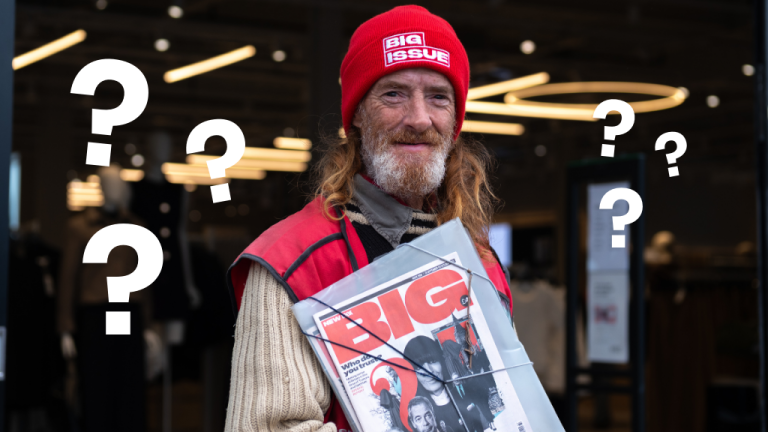
Writer and vendor for Washington DC-based street paper StreetSense
I’ve travelled the world, and so many of the people I talk to want to get to America. I ask them, ‘Why would you want to leave this place?’ They don’t have what we have, but they also don’t have the social deficiencies and the degeneracy that we have in America. All they see is the sparkle in the glitter, and I try to remind them that all that glitters is not gold.
Inequality and health
Richard Fry
Economist, senior researcher at the Pew Research Center, and co-author of The United States at 250: How the Country Has Changed in the Past 250 Years
America’s middle class has been hollowed out and the tails have grown. There’s a growing upper income group and, relative to 1970, a few more Americans in the lower income group because employment and opportunity have flowed to the college educated.
US living standards have improved since 1970 but those gains haven’t been equal. Everybody’s typical income has gone up but it’s gone up to a greater degree for upper income households.
Everybody is better off but they might not feel it because they’re seeing people around them get even better off.
Lydia Cruz
Artist who describes herself as a “disabled, queer, Latina woman”. She suffers from a complex chronic illness and has experienced difficulties accessing healthcare through the insurance-based system
Inequality of all kinds are on the rise: in healthcare, income, discrimination based on race, gender, sexual orientation and religion, the list goes on. These inequalities are being embraced by a certain percentage of the population.
Those who benefit directly, the 1%, frequently embrace them all and those who hope to someday join the wealthy elite embrace are able to blame the people in their own neighbourhoods.
It’s hard to believe that people can change for the better when we have seen such a soul-shattering slide towards the worse.
Liz McCaman Taylor
Senior federal policy counsel at the Center for Reproductive Rights
The issue has become a major source of debate and division since Americans’ constitutional right to abortion was overturned in 2022.
Let’s be clear. A majority of Americans support access to abortion. Frankly, the Trump administration knows outright abortion bans are a losing issue: they’ve rejected or delayed attempts from anti-abortion extremists to totally ban abortion because they know it’ll cost them at the polls.
Making abortion more difficult to access, or criminalising those who seek and provide it, serves no public health or policy interest and has been shown to worsen health and economic outcomes. Everyone deserves to make the health decisions that are right for them. Reproductive rights are human rights, full stop.
Maggie Chism
Healthcare consultant and patient advocate. Her daughter, Evie, died from heart failure in 2024
The US does not have a universal health insurance system, but financial support is available for some through Medicaid. It’s estimated over 30 million Americans are uninsured and 40 million do not have adequate insurance coverage.
Evie depended on a Medicaid waiver for her care. Even with her extensive medical history, I had to fight every year to prove that she still qualified and get her life-saving medications approved.
Aged seven, Evie was hospitalised with heart failure and placed on the transplant list. A month later, I received notice that she was at risk of losing her Medicaid waiver because she was not ‘utilising services’. The condition that qualified her for care became justification to take it away as she was dying.
Healthcare affordability is still a real issue for many families: costs can add up quickly, even for people who are insured. People are often forced to make difficult choices between financial stability and getting the care they need. The system can feel so complex and fragmented, especially for people who are already overwhelmed.
Robin Craycroft
Mental health therapist in southern California
I wish the American government would care for the citizens of our country with better healthcare, but they have other priorities. To care for our citizens with healthcare, food and housing would be a dream. It could happen if we chose to place people first instead of the rich and powerful.
I’m a positive person and love to find joy but I’m not hopeful for our country right now – it might be too late! That makes me cry for others who do not have enough. Enough healthcare, enough food, enough opportunities to grow and live what used to be the American Dream.
Buy from your local Big Issue vendor every week – and always take the magazine. It’s how vendors earn with dignity and move forward.
You can also support online: Subscribe to the magazine or support our work with a monthly gift. Your support helps vendors earn, learn and thrive while strengthening our frontline services.
Thank you for standing with Big Issue vendors.
Advertising helps fund Big Issue’s mission to end poverty