I didn’t know what that meant. I very naively replied, I don’t think it is a blood sport. But, looking back, I realised of course it was a blood sport! And do you know what, reflecting on it to answer this question, it made me think how fascinating it is. It’s so easy for people to get swept up in ideals or attitudes or perceptions because we either don’t question them or we just don’t know any differently. And because of that, when you grow up, I believe you have a responsibility to educate yourself, asking if you do indeed believe what you were taught. The march wasn’t something I actually would have wanted to take part in.
What would your leadership style be? And who do you admire in politics or generally as a leader?
I think I would constantly ask who is not in the room when making decisions, and who needs to be? At the heart of that is probably striving for a thoroughly inclusive approach. There’s no one particular political leader I can pinpoint, but I think there are leaders from the disability rights movement I admire, so the Judy Heumanns of this world. Judy was a US campaigner that basically brought disability civil rights into law. She campaigned with community, through inclusivity and pure persistence. Dogged stubbornness. She was just resilient and brilliant.
Keep reading the journalism that powers our mission
Register free to continue and learn more about the stories, campaigns and the support we provide, helping people facing poverty across the UK.
Read more:
The red telephone can connect you with anyone. Who would you call and what would you tell them?
The head of every airline all at once and make them make aeroplanes universally wheelchair accessible.
Who would you like to award a knighthood / damehood to?
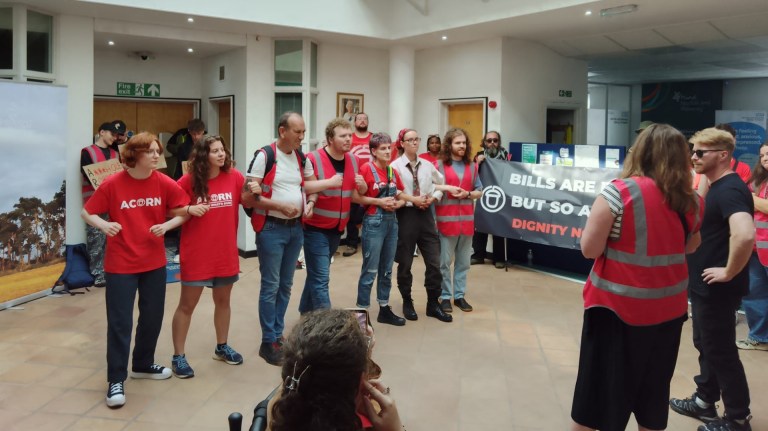
Barbara Lisicki and Alan Holdsworth, who founded the Direct Action Network. It was a group of campaigners from the ’90s who effectively brought around the Disability Discrimination Act, or as we know it now, the Equalities Act.
What would you do to turn the findings ofThe Experimentinto something positive for society?
I would ask for the documentary to be shown in schools as a talking point and shown to politicians who might not understand the impact or the consequences of their words and actions.
What’s your big idea to save the world?
To let everybody in the world know that disability can happen to them at any time. To encourage a sense that it’s not something to be frightened of. If society changed then people wouldn’t be frightened of it. It’s a part of life, and it would mean that we would modify buildings, we would change attitudes, we’d be more inclusive, we wouldn’t fear it, we wouldn’t let internalised ableism hurt other people, we wouldn’t use harmful language, we would be human beings. But when it comes to disability, we’re so dehumanised. The big idea I’d like to implant in everyone is that we’re all likely to be disabled at some point in our lives and that’s OK.
If answering these questions has convinced you to stand for election, what is your slogan?
Nothing without us.
The Experiment is on channel4.com
Do you have a story to tell or opinions to share about this? Get in touch and tell us more.
Change a vendor’s life.
Buy from your local Big Issue vendor every week – and always take the magazine. It’s how vendors earn with dignity and move forward.
You can also support online:
Subscribe to the magazine or support our work with a monthly gift. Your support helps vendors earn, learn and thrive while strengthening our frontline services.
Thank you for standing with Big Issue vendors.