Are 16-year-olds ready to vote? We asked teenagers what they think
Critics argue that teenagers have ‘limited political understanding and confidence’. Should everyone be made to do civic education – including your conspiracy theorist Facebook-obsessed uncle?
by:
30 Apr 2026
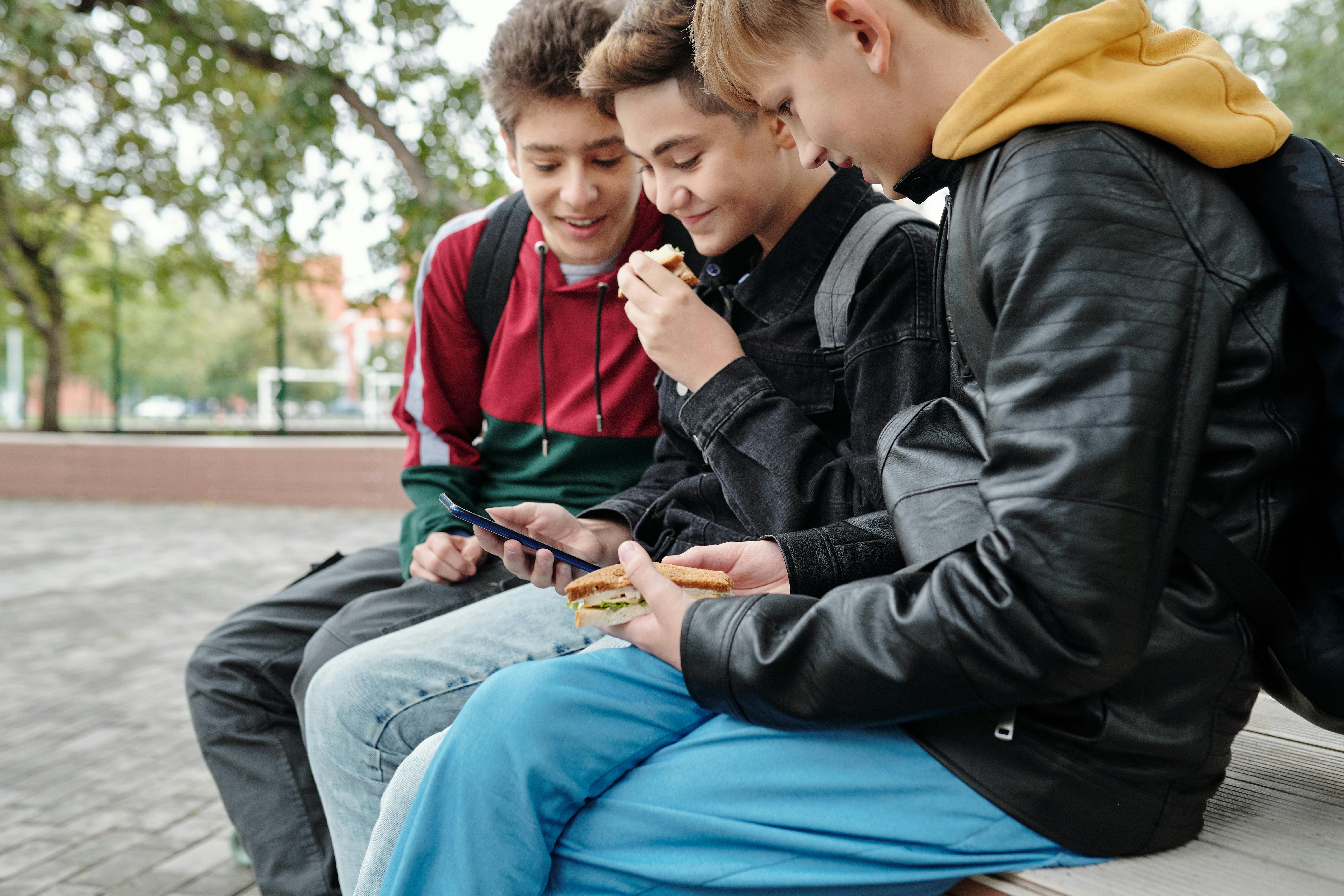
Teenagers could be given the vote in the near future. Image: Pexels
Share
By next year’s local elections, the government’s bill to make 16 the voting age for all elections may have passed, enfranchising more than 1.3 million teenagers.
But are those teenagers ready for it?
According to new University of Roehampton research, many UK teenagers have “limited political understanding and confidence”.
The study, which forms part of a five-country European project called G-EPIC, surveyed and observed more than 880 pupils across 13 UK schools, finding that young people consistently see politics as something distant or “for adults.”
Across all five countries in the study – Belgium, Czechia, Denmark, Germany and the UK – researchers observed that students enter political education seeing politics as “remote and exclusively reserved to elites”.
Advertising helps fund Big Issue’s mission to end poverty
Advertisement
In the UK, these apathetic youngsters are about to get the vote.
“Parliament is moving towards giving 16-year-olds the vote, but we haven’t put in place a consistent way of preparing them to use it,” said Professor Bryony Hoskins, who led the research.
“At the moment, it depends too much on individual schools or projects. Young people are often getting their political information from social media – and increasingly AI – which raises real concerns about how well equipped they are to judge what is reliable.”
Keep reading the journalism that powers our mission
Register free to continue and learn more about the stories, campaigns and the support we provide, helping people facing poverty across the UK.
The findings echo a separate University of Glasgow study from last year, in which two thirds of 16- and 17-year-olds said schools had not readied them to take part in elections. Of those unlikely to vote, three quarters said it was because they didn’t know enough about politics. Asked to choose one word to sum up their views on politics in the UK, the most common responses were “confusing”, “complicated” and “boring.”
So should we take the vote back from these disaffected teens? No, said Tom Brake from Unlock Democracy.
Advertising helps fund Big Issue’s mission to end poverty
Problems of political awareness are not limited to young people. “Certainly, there’s a very strong case that misinformation and disinformation is something that every voter of every age group is likely to come across,” the think tank head and former Lib Dem MP told Big Issue.
“Facebook, as I understand it, is used predominantly by sort of middle-aged users, not young people. And therefore, the misinformation that circulates on Facebook will be being seen by very large numbers of people who are significantly older than 16.”
In Scotland, 16- and 17-year-olds have been able to vote since the 2014 independence referendum, and in all Scottish Parliament and local elections since 2015, and in Wales since 2020. There’s evidence this has kept younger people engaged – people who vote at 16 are more likely to keep voting – without producing the chaotic results that sceptics predicted.
The Roehampton researchers say a programme of civic education in schools can tackle the underlying problem. After just five lessons of the G-EPIC political literacy programme, students showed a statistically significant increase in political confidence compared to peers who hadn’t taken part.
So should everyone be made to do civic education – including your conspiracy theorist Facebook-obsessed uncle? That might be a challenge for a fiscally constrained government, said Brake. But if it starts at school, he argues, it can have trickle effects later in life. “That critical thinking is really important so that people have got the skills to identify what is genuine and what isn’t.”
More importantly, the government should tackle disinformation at source, he adds: “They must clamp down much more heavily on the amount of disinformation that is being pumped out by state actors such as the Russian troll farms in St Petersburg, who are deliberately trying to foment disquiet, unhappiness, unease, creating tensions.”
Advertising helps fund Big Issue’s mission to end poverty
The young people Big Issue spoke to were split. We asked five teenagers whether lowering the voting age was a good idea – two were for it, two against, one unsure.
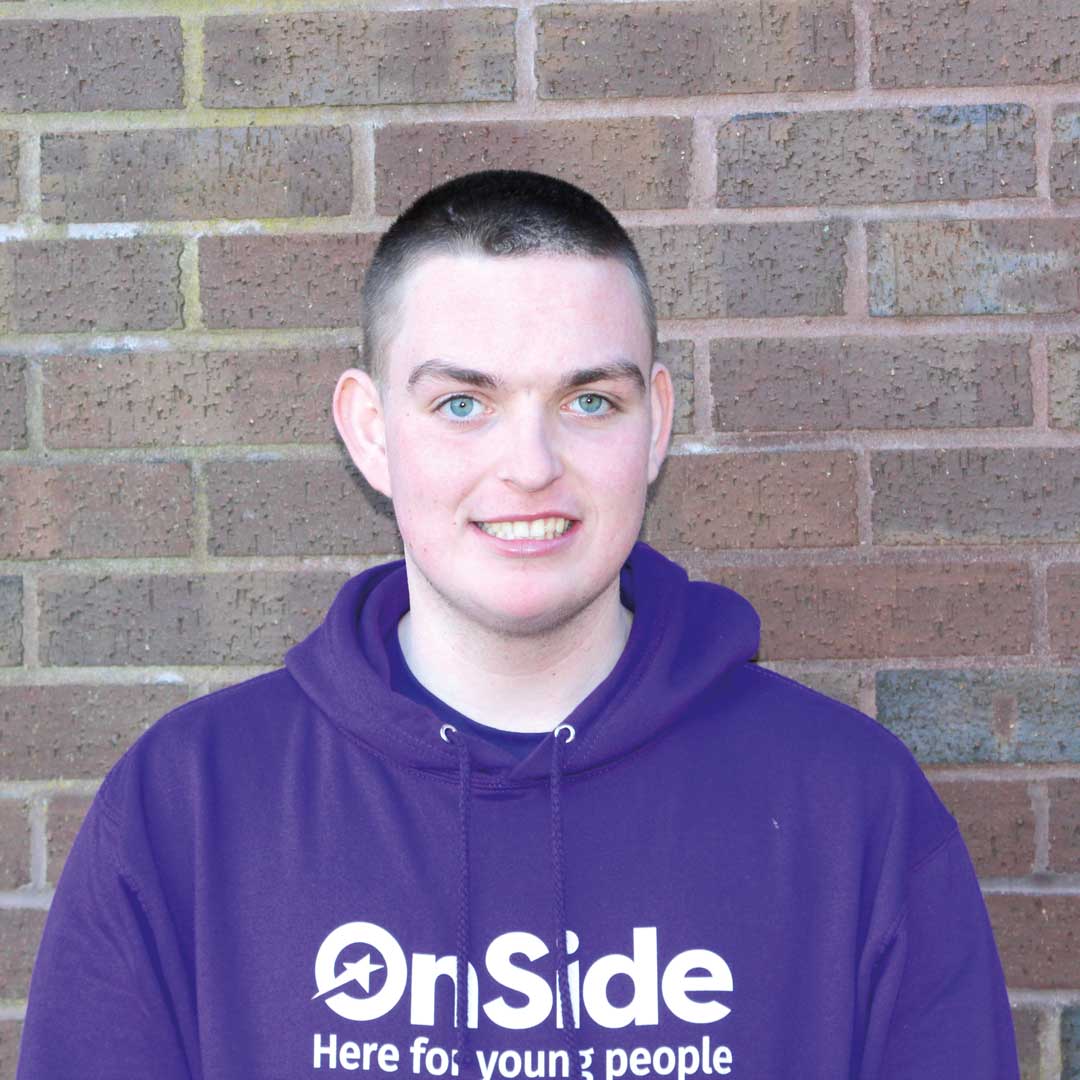
“Personally I think 16 year olds aren’t well educated enough for the vote,” said Jojo, 17. “This can be a very controversial opinion but I have just turned 17 and I still have no idea who I would vote for… I was talking to my friends about this and they were all clueless what was going on unless they have seen something online somewhere.”
Charlotte, also 17, disagreed, thinking that lowering the voting age is “a good thing” – but warned that algorithms can silo people into specific political viewpoints. “I think that some young people are relatively good at spotting fake news, however those who aren’t pose a risk to spreading and enforcing fake agendas.”
To be fair, the same is probably true of their parents.
Personally I think 16-year-olds aren’t well educated enough for the vote. This can be a very controversial opinion but I have just turned 17 and I still have no idea who I would vote for. Politics isn’t talked about enough to have a proper opinion on it. I feel like 16-year-olds getting the vote will turn to parents for advice to see who their parents vote for or they just won’t vote at all. I was talking to my friends about this and they were all clueless what was going on unless they had seen something online somewhere.
Advertising helps fund Big Issue’s mission to end poverty
Social media to me can be seen as a trap for young people, due to the fact social media is filled with lies. Some of these lies may be seen as jokes but to naive young people it isn’t seen that way. I think people on social media will get an opinion on politics and post it on social media which can cause disagreements, but it can also influence young people to pick a “side” with incorrect information.
Social media is an unreliable source but young people might not know who else to turn to. This is where AI comes into it. AI is good for things like asking questions about your homework, not for asking about serious questions such as about politics. AI isn’t a real – it’s a bot that is set up for you to ask questions to. Some people will turn to AI for simple things but sometimes young people will turn to AI when they feel like they have no else to talk to. AI in a political setting could have such a negative impact as it may not give you the correct information.
In schools, if you ask your teacher a question about politics they will say they can’t answer it because it can be classed as pushing their views on young people. Schools need to have a well-trained and educated individuals to teach young people about politics so they can make responsible and sensible decisions while voting. This is why young people need support in place to learn about politics.
Charlotte, 17
I think that 16-year-olds being allowed to vote is a good thing. However, I think it also has its downsides. The decisions that are being made today will affect these young people into adulthood, so I think they should get a say in what happens. I think that it could result in certain political parties gaining more power, which could be a good thing or a bad thing, depending on your political viewpoints. I think that the majority of young people have a lack of education surrounding politics, which opens the risk of people voting due to the small pieces of politics they’ve heard either through the media or through friends and family, resulting in more biased voting.
There has definitely been an increase in young people getting their news and information from social media. I think that some young people are relatively good at spotting fake news, but those who aren’t pose a risk to spreading and enforcing fake agendas. Social media and propaganda can have a big effect on a person’s political viewpoint and the information they receive. For example, if someone is constantly looking at content from one specific political party, they won’t be shown other parties by the algorithm. This could tunnel the person’s information.
Riley Holden. Image: Supplied
Riley, 16
Allowing 16-year-olds to vote can be seen as a positive step as it encourages young people to become engaged in politics early, helping them develop more responsibility and understanding of society in the UK. At 16, some people are already informed about important issues and can make thoughtful decisions. However, society might argue that the lack of life experience or maturity needed for this responsibility is not there especially if the young person is still in education. I believe it should be lowered to 16 but you should only be allowed to vote once leaving education or high school.
Advertising helps fund Big Issue’s mission to end poverty
Bailey, 18
Personally, I think it’s a bit of a double-edged sword. It’s good that now younger people can put a voice into the government, which can affect their future and have an impact on their life before adulthood. But then there are the questions of whether:
A. They understand politics and the actual effects it all has on the world.
B. If they will research and not just vote for whoever their friends or family want.
Politics done wrong can divide a lot of people and cause plenty of issues. Young people, although they are smart and forthcoming, still can fall to this divide and it could crush their spirits of the world of politics pretty early on.
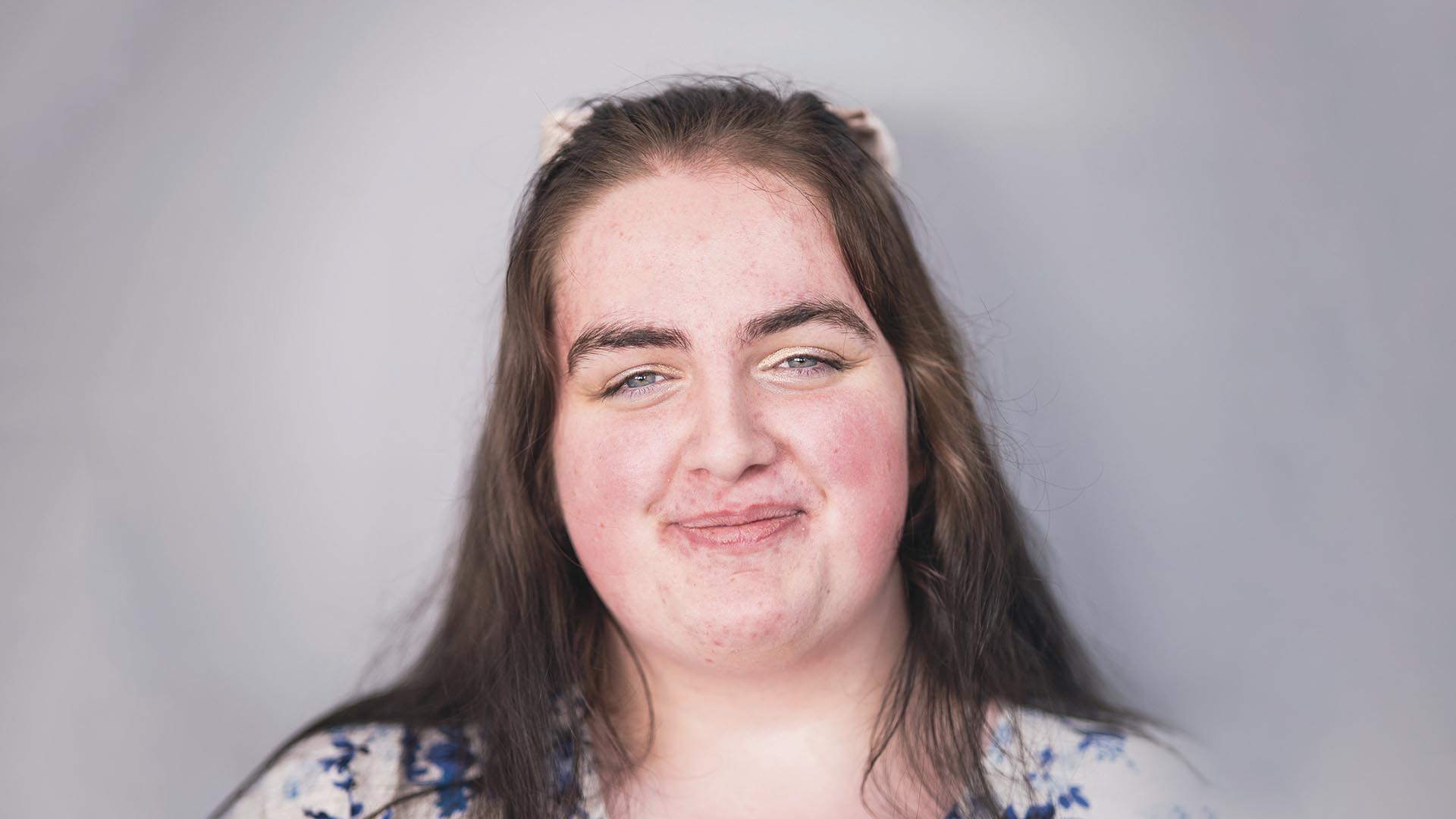
Alice. Image: Chris Sherwood
Alice, 19
I personally believe that while it can be a good idea, it is very early to put into place. I feel as though there should have been more precautions for it, because young people don’t really seem very equipped unless they do the proper research.
I know that a big argument for me personally is that young people will go to their parents or their caregivers for advice, which will have a monumental amount of bias. I think that if they do want this implemented properly, they need to have it taught in schools and colleges.
Advertising helps fund Big Issue’s mission to end poverty
Schools should teach about different parties – what their policies are, what they stand for, with an unbiased amount of research, so they learn about all the parties and so young people can use their vote rather than getting a biased opinion from teachers, parents or caregivers which basically just adds another vote for them.
With things like social media, where all the different parties have TikToks and Instagrams nowadays, it’s a very biased time for politics. There needs to be a lot more unbiased education for the young people to make the decision for themselves.
I am currently 19 and know nothing about politics. Even after doing my own basic research, I’m not 100% on the politics of everything, because there’s been no education about it.
Buy from your local Big Issue vendor every week – and always take the magazine. It’s how vendors earn with dignity and move forward.
Advertising helps fund Big Issue’s mission to end poverty
You can also support online: Subscribe to the magazine or support our work with a monthly gift. Your support helps vendors earn, learn and thrive while strengthening our frontline services.
Thank you for standing with Big Issue vendors.
Advertising helps fund Big Issue’s mission to end poverty