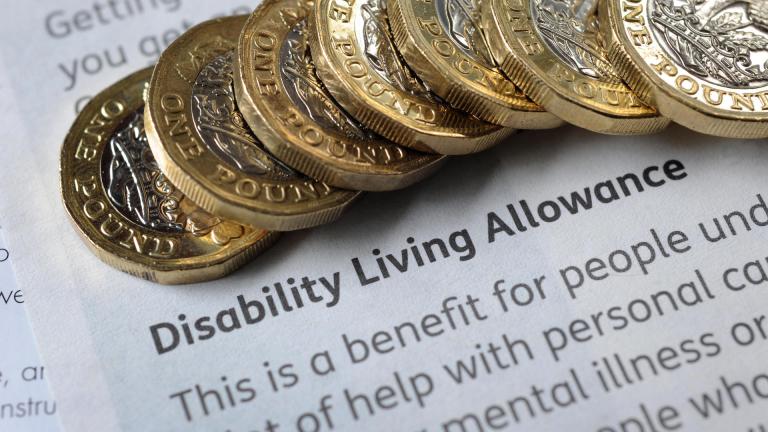
Now, the influential Institute for Fiscal Studies (IFS) is calling for the government to means-test PIP by making it part of universal credit. This would mean enormous cuts to PIP of up to £8.2 billion, which is a third of PIP spending.
The researchers claim that this is because people with different severities of disability currently get the same amount of PIP. Someone who cannot wash themselves and needs assistance dressing their upper body currently gets the same as someone who cannot wash themselves, cannot dress themselves, cannot talk and cannot read.
However, PIP already has different levels and people are assessed according to need. PIP has two components – daily living and mobility – which are split into enhanced rate levels based on assessment points.
Keep reading the journalism that powers our mission
Register free to continue and learn more about the stories, campaigns and the support we provide, helping people facing poverty across the UK.
Both people described by the researchers in this example would likely be awarded the enhanced rate because they both have severe needs and face additional costs of living. For example, they may need to pay additional transport costs because they are unable to drive, or they may need carers to help them with basic tasks.
PIP is not an out-of-work benefit – you can still work and claim PIP. It is intended to help people cover the extra costs of having a disability. On average, disabled households need an extra £1,095 each month just to have the same standard of living as non-disabled households. As it currently stands, PIP does not cover this additional costs.
And that’s assuming that those people are awarded the enhanced rate of PIP. Big Issue has heard from stroke survivors, amputees, people living with terminal cancer, people with life-altering schizophrenia and many others who have been refused PIP because their needs weren’t deemed to be severe enough.
Advertising helps fund Big Issue’s mission to end poverty
Tens of thousands of people go through a “traumatising” appeals process to fight for their right to PIP each quarter, and the majority (66%) win. It comes at a cost of billions to the taxpayer, which campaigners argue could be avoided if the Department for Work and Pensions (DWP) got the decision right first time.
Means-testing PIP and embedding it into universal credit is likely to push people into poverty and worsen their health, as pointed out by the MS Society in response to the IFS proposals.
Ross Barrett, policy manager at the MS Society, said: “Parliament has already rejected damaging cuts to disability benefits and the ongoing Timms Review into PIP recognises the process is not fit for purpose. Sweeping and arbitrary restrictions, such as the ones being proposed by the IFS, would only push more people into poverty and worsen their health.
“MS is debilitating, exhausting and unpredictable, and an unfair and broken PIP process routinely denies people the support they are entitled to. Rather than crude cuts, the government must listen to disabled people and focus on creating a new system built on fairness, dignity and respect, and ensure that PIP remains a non-means-tested cash benefit based on need.”
Although PIP cuts were paused, the government went ahead with slashing the health element of universal credit in half for new claimants. This is expected to push tens of thousands of people into poverty.
Big Issue has reported extensively around how disability benefit cuts can have the adverse impact of pushing people further away from the workplace by worsening people’s health. That’s because of the mental health impact and it could mean people not being able to afford items to support their health, such as specialist equipment, therapies or food.
Advertising helps fund Big Issue’s mission to end poverty
Recent polling has found that disability benefit cuts are also unpopular. Only 7% of people believe there should be less spending on disability benefits, figures from the the National Centre for Social Research’s British Social Attitudes survey suggest, while 49% said there should be more spending.
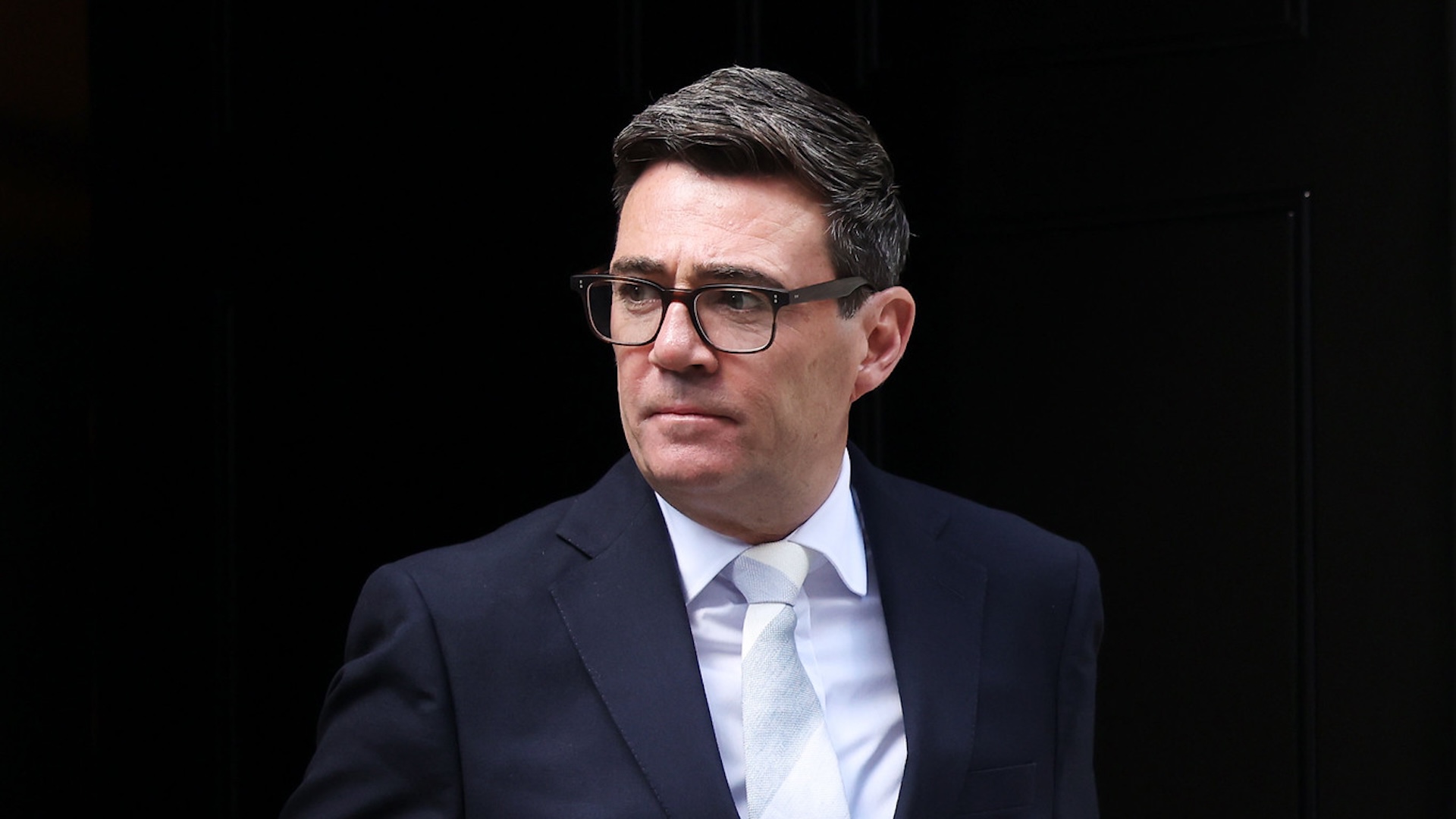
As such, not only would PIP cuts push more people into poverty, it is also a risky move for Labour’s popularity – vital if Burnham’s government wants to continue its winning streak in the polls before the next election.
Burnham has said previously “we’ve got to get really serious as a country” at keeping the welfare bill down, but he also said that “the biggest council home building programme since the post-war period is the Labour way” to achieve this.
It seems unlikely that the government will take on board the IFS’ proposals, and there has been no suggestion of any plans to cut disability benefits so far. But after the fear and uncertainty that disabled people faced last year, a guarantee that their support will not be stripped away would be welcome.
Do you have a story to tell or opinions to share about this? Get in touch and tell us more.
Change a vendor’s life.
Advertising helps fund Big Issue’s mission to end poverty
Buy from your local Big Issue vendor every week – and always take the magazine. It’s how vendors earn with dignity and move forward.
You can also support online:
Subscribe to the magazine or support our work with a monthly gift. Your support helps vendors earn, learn and thrive while strengthening our frontline services.
Thank you for standing with Big Issue vendors.