By making alliances with plants, animals, and microbes, the green shantytown dwellers solved the primary problems of food and shelter. And then they did more. They would elect a council and work through troublesome issues.
The children had nothing to do in the summer, so they created a summer camp. People came down with tuberculosis, so they built a shack to serve as sanatorium. Huts burned and people got hurt on the job, so they took up collections for fire insurance and employee compensation. Neighbors had disputes, so they set up an arbitration court.
Historians credit the German prime minister, Otto von Bismarck with pioneering in the 1880s the first modern welfare system, but I found that working people living in Berlin’s green shanty towns came up with the first sinews of this system years before Bismarck.
Keep reading the journalism that powers our mission
Register free to continue and learn more about the stories, campaigns and the support we provide, helping people facing poverty across the UK.
Read more:
A few decades later, a similar story played out in Washington, DC. In the 1910s, city leaders decided they did not want to live near Black residents and passed laws to press people of colour to the margins of the city. Black residents pooled their money to buy small lots in neighbourhoods called Deanwood and Marshall Heights on Washington’s northern edge.
Families bought not one lot, but from two to six. As in Berlin, families built small houses and animal pens using whatever materials they could scavenge, and they dug in gardens.
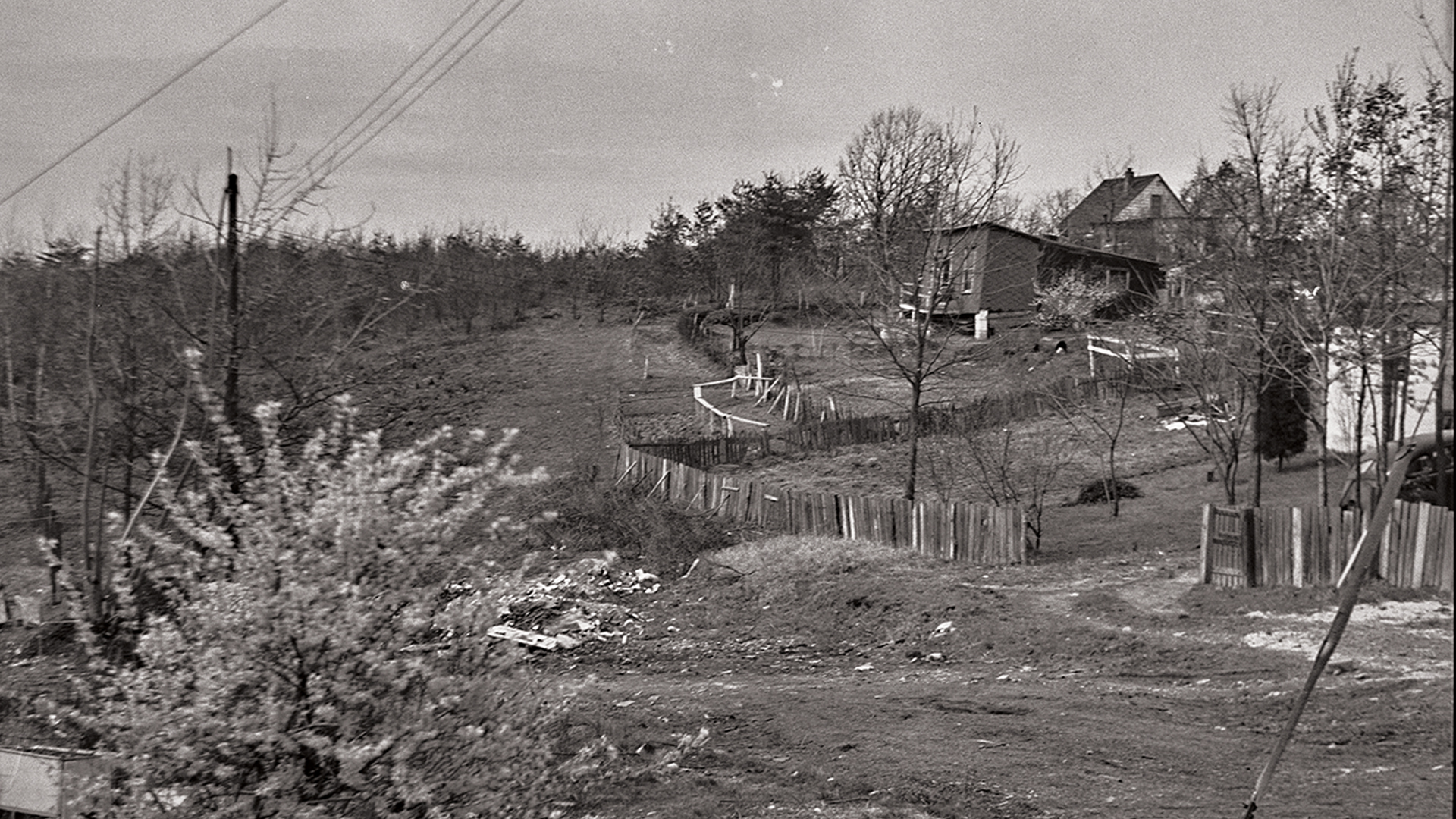
Meanwhile, city leaders dedicated no funds to Marshall Heights. The neighbourhood had no sewers, no waste collection, and no paved surfaces. Only in the 1940s did city workers sink a few wells on the streets for clean water. This photo from 1949 in the US capital looks like it could be from 1849.
But people made use of structural racism. Having no toilets or garbage pick-up gave them extra nutrients to feed domestic animals and for the compost pile. The lack of paved surfaces meant that the nut and fruit trees thrived. People collected drinking water from springs and used rainwater from their roofs and filtered gray water from the kitchen to water their gardens.
When someone caught extra fish, had too many courgettes, peaches or melons, they shared them with neighbours. When someone was sick or out of work, parishioners in small ‘family’ churches organised to help out. During the Great Depression, with most people out of work, neighbours set up workers’ cooperatives. Women devised a sewing collective and men got together to take down abandoned structures and build new ones with the recycled materials. Bit by bit, Black families emerged from the depression with their households intact.
Later when historians asked people how they got through the depression, did they have jobs?
No, local man Clarence Turner responded, “You couldn’t buy a job.” But, he pointed out, they did have their gardens. They ate from them and sold off extras to pay their mortgages.
Indeed, records show that while millions of Americans lost their homes in the Great Depression, Black, self-provisioning neighbourhoods on Washington’s margins had double the rates of home-owner occupancy than white Washingtonians who had the benefit of federal aid programs.
At a time when the state and society was hostile to them, green shantytown dwellers in Berlin and Washington created tiny, local commons that gave them a measure of self-determination, freedom, and food sovereignty. And that brought into view a horizon of possibilities and an uncommon prosperity.
In 1649, dispossessed English commoners started a rebellion. They defied enclosure, climbed a hill, pulled out spades, and started digging up gardens. The Diggers proceeded, shovelling up one colony at a time, the movement spreading peacefully to other regions. They declared: “The rich could remain in their enclosures, saying ‘This is mine,’” while the poor lived “upon their Commons, saying ‘This is ours.’”
There is no reason why we can’t do the same today. As cities downsize the number of large automobiles in favour of better public transport and small, electric people-movers, we could have acres of public space – a contemporary commons – for self-provisioning. Imagine replacing kerbside parking with kerbside allotment gardens or four-lane arteries with edible boulevards.
We can start by asking for changes in zoning from our municipality. We can also get going by finding a friend and digging up some space no one else is using to slip in the seeds of flowers and vegetables. Resistance in this form is the joyful release of the botanical life that nurtures us.
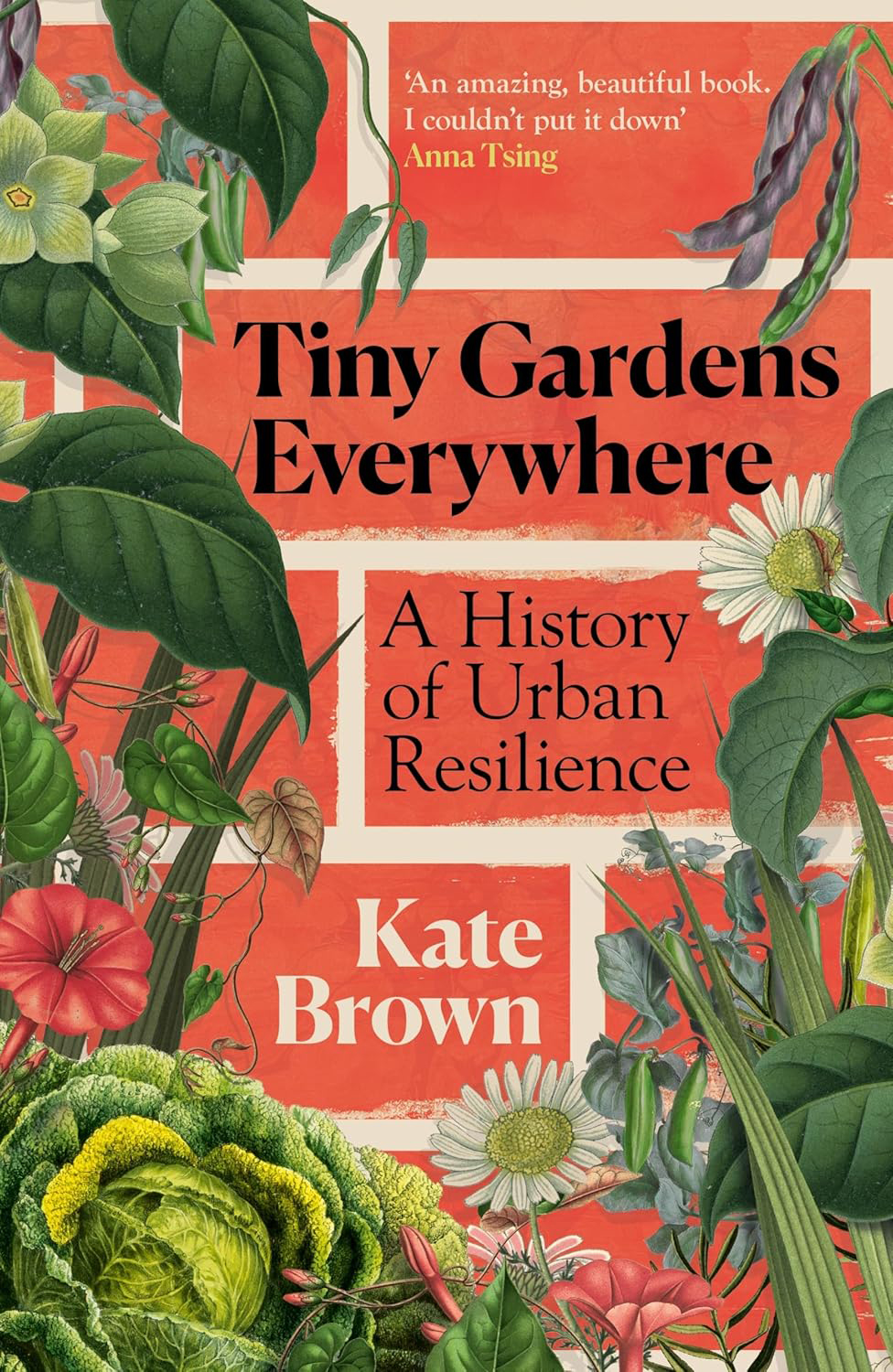
Tiny Gardens Everywhere: A History of Urban Resilience by Kate Brown is out now (Vintage, £22).You can buy it from the Big Issue shop on bookshop.org, which helps to support Big Issue and independent bookshops.
Do you have a story to tell or opinions to share about this? Get in touch and tell us more.
Change a vendor’s life.
Buy from your local Big Issue vendor every week – and always take the magazine. It’s how vendors earn with dignity and move forward.
You can also support online:
Subscribe to the magazine or support our work with a monthly gift. Your support helps vendors earn, learn and thrive while strengthening our frontline services.
Thank you for standing with Big Issue vendors.