Advertisement
Opinion

Why Britain needs an anti-racism strategy right now

On the second anniversary of the start of the Southport riots, the Runnymede Trust and 100 other organisations are calling for an anti-racism strategy. The think tank’s Stephen Walcott explains why

I’d be politically naive to think Andy Burnham would unveil a strategy to defeat the far-right while riding the crest of a popularity wave. But having entered office promising a renewed sense of hope and a new way of doing politics, one issue remains notably absent from his public agenda: how his government will confront the rising tide of racism that has become a normalised part of our public and social life. 

But Burnham would be negligent to ignore it. He can’t ignore how over the last two years we’ve witnessed some of the worst racist violence in living memory. He can’t ignore widespread racist rioting, migrants being targeted and burnt out of their homes, increased attacks on places of worship and racially-aggravated sexual assaults

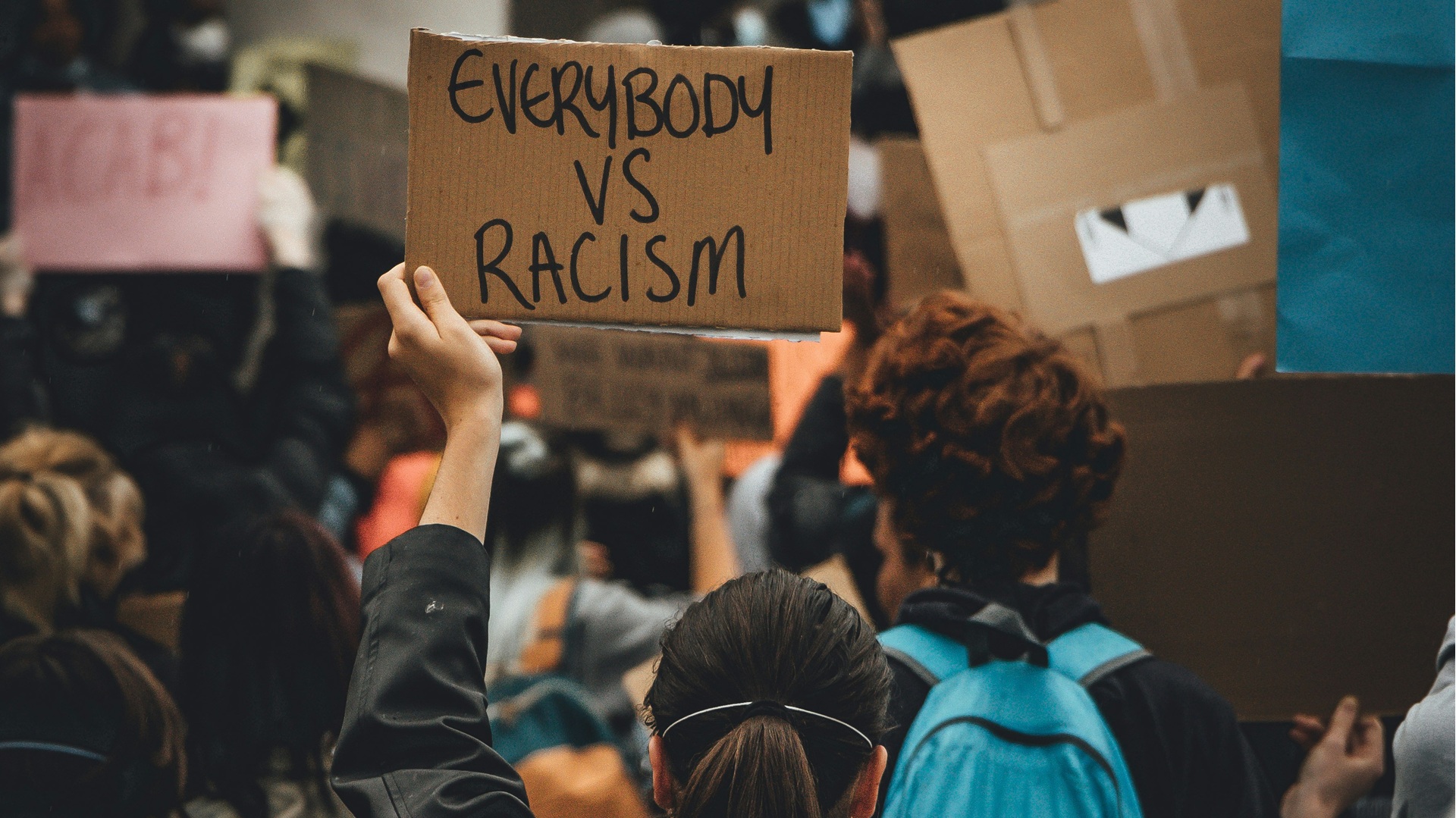
That is why today, on the two-year anniversary of the Southport riots, along with over 100 civil society organisations, we at the Runnymede Trust have written to the new prime minister calling for the urgent development and implementation of a cross-governmental anti-racism strategy. 


The normalisation of far-right rhetoric and the violent, and disturbingly proud, racism we’re witnessing are not happening in a vacuum – they’re the result of years of hateful public debate and hostile policy choices. We cannot continue to legitimise the far-right’s agenda by legislating for it. Because beneath the sensationalised headlines and the overt violence lie a series of persistent truths about what people of colour navigate in a much more covert way.

Three in five British Bangladeshi and Pakistani children are living in poverty in the UK. A person of colour becomes homeless or is threatened with homelessness every eight minutes. Black women are nearly three times more likely than white women to die during childbirth. Black children are eight times more likely to be strip searched by the police.  

Statistics like these are so stark that we simply cannot afford to ignore them. To eliminate persistent disparities across education, employment, housing, healthcare, immigration, policing and the criminal legal system requires sustained and coordinated work. They cannot be solved by the same, tired, isolated initiatives, and instead must be built into this purported new way of doing politics and tackling big policy issues.
Advertising helps fund Big Issue’s mission to end poverty
Advertisement

The importance of the economy is undeniable; wide economic inequality creates the conditions for division and racist scapegoating. We know that political and media actors exploit an austerity weary public: the reason you’re poor, the reason you hate your job, the reason you rent, is because of them, over there – the person fleeing war and persecution, or the supposed cultural and religious deviancy of communities that not only have given this country so much, but are the very fabric of it. More of the same top-down tactics designed to distract from structural failure and dissipate solidarity, community and belonging across the country, will not wash.

Read more:

A serious strategy would set measurable targets across departments and devolved administrations, providing adequate funding and mechanisms for cross-departmental working. It wouldn’t be afraid to source funding from the wealthiest in our society, rather than continuously take from those already squeezed. It would improve publicly available equality data, and form an oversight board to provide independent scrutiny. It would require ministers to assess and act on equality impact assessments to inform all policy, legislative and spending decisions. It would put an end to the swathes of racist hate speech online. And it would commit to rejecting grievance politics, to strengthening human and democratic rights for all, and to rebuilding a sense of pride and community across the country.

This is not just what communities of colour deserve and should expect, but the entire nation. An anti-racism strategy would benefit everyone – addressing racism effectively means confronting the deeper structures within British politics that have for centuries served a privileged and powerful few. We hope the new prime minister can recognise that, when societies are more equal and when our institutions are fairer, our communities are stronger and we build the ability for everyone to prosper.

Stephen Walcott is head of policy at the Runnymede Trust, a national racial justice organisation

Do you have a story to tell or opinions to share about this? Get in touch and tell us more

Change a vendor’s life.

Buy from your local Big Issue vendor every week – and always take the magazine. It’s how vendors earn with dignity and move forward.

You can also support online:
Subscribe to the magazine or support our work with a monthly gift. Your support helps vendors earn, learn and thrive while strengthening our frontline services.

Thank you for standing with Big Issue vendors.

Advertising helps fund Big Issue’s mission to end poverty

Do you know how Big Issue 'really' works?

Watch this simple explanation.

Recommended for you

Read All
As Britain's health gaps widen, can Burnham replicate his Greater Manchester success around the UK?
New prime minister Andy Burnham outside 10 Downing Street
Mark Heffernan

As Britain's health gaps widen, can Burnham replicate his Greater Manchester success around the UK?

Healthier lives were Glasgow's 2014 Commonwealth Games legacy. 2026's games must raise that bar
The Commonwealth Games
Steven Mackenzie

Healthier lives were Glasgow's 2014 Commonwealth Games legacy. 2026's games must raise that bar

'I’ve had to weep with those who lost everything': Inside Venezuela's devastating earthquakes
Venezeula humanitarian worker Claudia Gonzalez Pacheco
Claudia Gonzalez Pacheco

'I’ve had to weep with those who lost everything': Inside Venezuela's devastating earthquakes

In the occupied West Bank, a child is killed every week. When did that become acceptable?
UNICEF UK CEO Dr Philip Goodwin visited the community of Um El Kheir Village south of the WB with UNICEF State of Palestine, meeting children and hearing about the challenges they face
Dr Philip Goodwin

In the occupied West Bank, a child is killed every week. When did that become acceptable?

Most Popular

Read All
Renters pay their landlords' buy-to-let mortgages, so they should get a share of the profits
Renters: A mortgage lender's window advertising buy-to-let products
1.

Renters pay their landlords' buy-to-let mortgages, so they should get a share of the profits

Exclusive: Disabled people are 'set up to fail' by the DWP in target-driven disability benefits system, whistleblowers reveal
Pound coins on a piece of paper with disability living allowancve
2.

Exclusive: Disabled people are 'set up to fail' by the DWP in target-driven disability benefits system, whistleblowers reveal

Cost of living payments: Where to get help in 2025 now the scheme is over
next dwp cost of living payment 2023
3.

Cost of living payments: Where to get help in 2025 now the scheme is over

Citroën Ami: the tiny electric vehicle driving change with The Big Issue
4.

Citroën Ami: the tiny electric vehicle driving change with The Big Issue