Last year, I wrote about why Big Issue Group joined the B Corp movement in 2015, and why we continue to value the certification so highly. The certificate isn’t a trophy to sit in our boardroom; it is a practical tool that keeps our mission to tackle poverty at the heart of every decision we make. This B Corp Month, our commitment is as strong as ever.
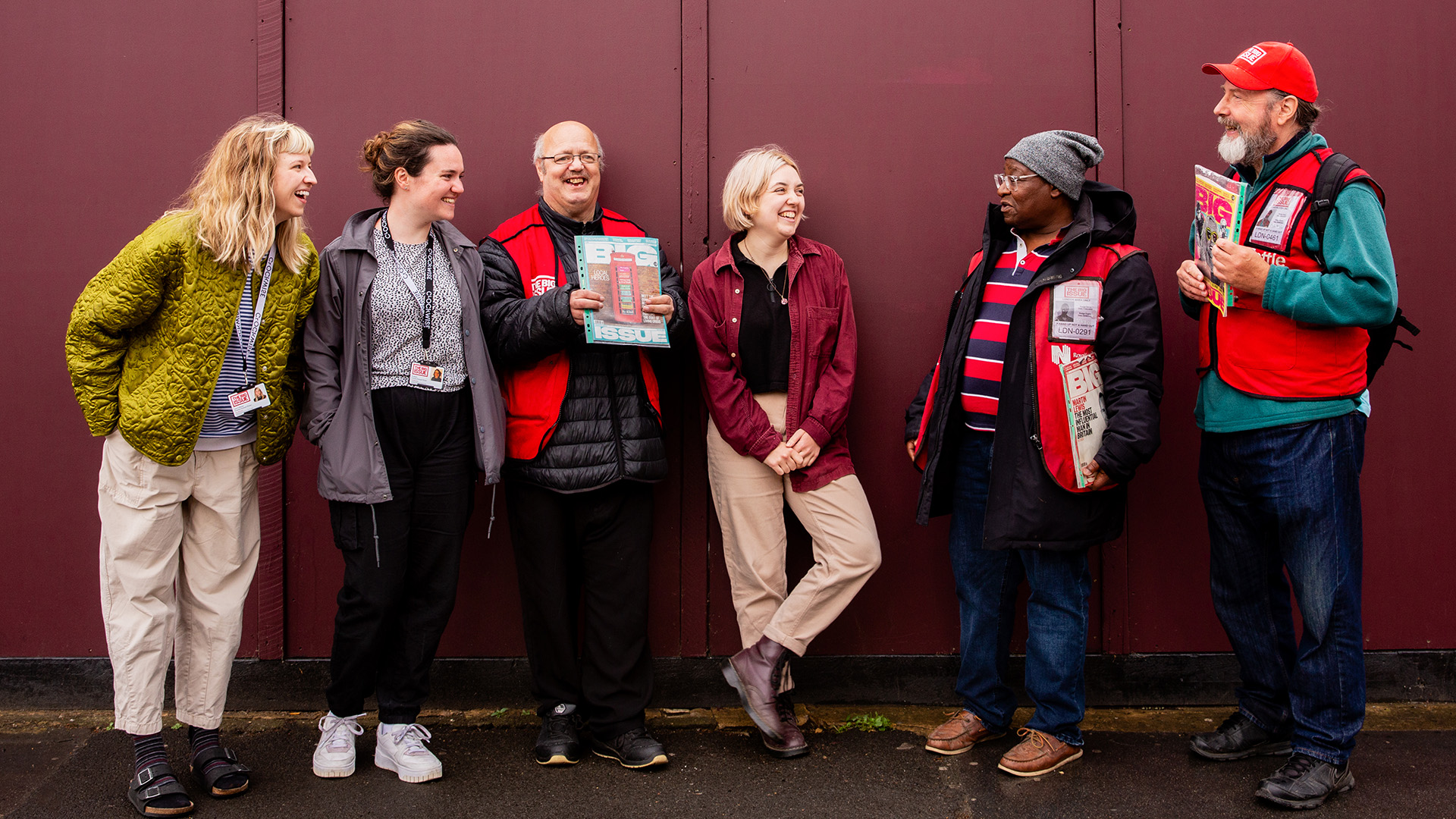
While B Corp assessment looks at every part of our business, Big Issue Group always performs strongest in the ‘customers’ category. This is because our customers are at the centre of our social mission. Every time we support a vendor to earn an income through selling the magazine, every time we support a candidate into employment through Big Issue Recruit and every time we support a social enterprise with investment through Big Issue Invest, we are delivering social impact.
In the future, organisations hoping to get certified will need to demonstrate strong performance across all assessed areas and not just rely on strong performance in some. To prepare for this change, we have spent three years using the framework to address our own gaps. We have strengthened our DEI monitoring, improved our reporting around environmental impact and developed how our social impact is reported.
Read more:
- The power of B Corp – balancing profit with progress
- From B to Z: Here’s your essential guide to B Corps in the UK
- B Corps: how the future of business is profit with a purpose
The entire B Corp community in the UK should feel emboldened following the recent publication of New Philanthropy Capital’s Impact UK report. For the first time, the true scale and value of impact-focused organisations has been quantified, as the ‘Impact Economy’. Contributing £428 billion, or 15% of GDP, makes the sector as significant as manufacturing or the creative industries.
The impact economy is a vital driver of national resilience; the report highlights that purpose-led businesses are growing at a faster rate than the rest of the UK economy. By prioritising social outcomes alongside financial ones, organisations like Big Issue Group are driving innovation in ways traditional models may miss.