I became pregnant again within three months and fear took over. I was terrified to go to the toilet in case I saw blood. I counted the days between appointments, holding my breath each time, never able to relax. Anxiety lived in my chest constantly. I was functioning, but I was not okay.
In search of reassurance, I went for countless private scans, hoping they would help. Instead, many of the spaces felt unbearable. Pink and blue waiting rooms filled with teddy bears that played recorded heartbeats. People making plaster casts of newborn feet in the reception area. Walls covered in celebration.
I remember sitting there thinking if my appointment went badly, I’d have to walk back through all of this carrying my grief past other people’s joy.
Those spaces weren’t built for women like me, women who were scared, traumatised, or already grieving.
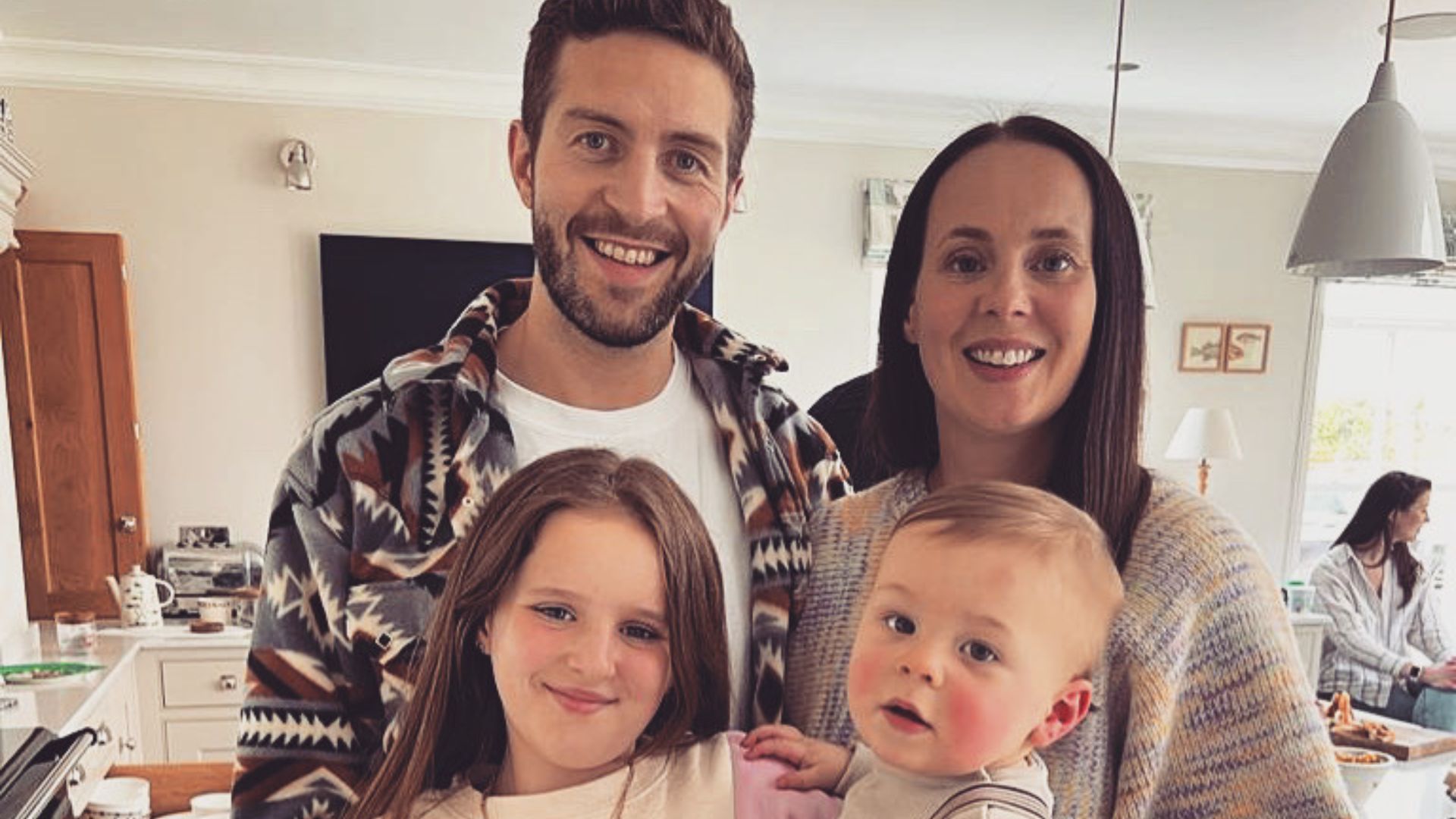
When my son, Alby, was born safely, the relief was overwhelming. But something in me had shifted forever. I couldn’t stop thinking about the women I’d met along the way, sitting silently in fear, loss and uncertainty. Women expected to carry on as if nothing had happened, because their grief didn’t fit neatly into society’s expectation.
I knew I couldn’t return to my corporate career. The version of me who had existed before Willow no longer did. I felt an urgent need to create something that acknowledged the reality of pregnancy, that it can be joyful, but it can also be terrifying, heartbreaking and deeply lonely.
Advertising helps fund Big Issue’s mission to end poverty
That’s why I opened Cocoon. I built the space I desperately needed when I was at my most vulnerable. A calm, compassionate clinic where you don’t have to put on a brave face. Where fear is taken seriously. Where loss is named, not minimised.
Cocoon is a fertility and women’s wellbeing clinic, created to support women through the full reality of conception, pregnancy and loss. We offer clinical care, but also something just as important, emotional safety. Talking therapy, midwifery support, counselling and space to be held.
One of the things I was very clear about in the beginning was the need for us to provide accessible talking therapy. Because support should not depend on your bank balance. Grief doesn’t discriminate, and neither should care. We partnered with the wonderful team at Taking Baby Steps, led by former bereavement midwife, Jane Bamford. They receive funding that ensures support remains free of charge for those who have experienced baby loss at any stage.
More recently, I lost my best friend Emma to metastatic breast cancer at just 43. When she died, it reinforced everything I already knew, that women so often carry pain quietly, putting others first, minimising their own needs. It strengthened my resolve to make Cocoon a place where women are truly listened to.
Willow changed my life. Their short existence reshaped my purpose. Cocoon is their legacy.
I can’t take away what other women have lost. But alongside my incredible team, I can sit beside them in it. I can make sure they don’t feel invisible, rushed or dismissed. I can create a space where their experience is honoured.
Advertising helps fund Big Issue’s mission to end poverty
If sharing my story helps even one woman feel less alone, then Willow’s life continues to matter. And that means everything.
Sam Naughton is the founder of Cocoon.
Do you have a story to tell or opinions to share about this? Get in touch and tell us more.
Change a vendor’s life this winter.
Buy from your local Big Issue vendor every week – and always take the magazine. It’s how vendors earn with dignity and how we fund our work to end poverty.
You can also support online with a vendor support kit or a magazine subscription. Thank you for standing with Big Issue vendors.
Advertising helps fund Big Issue’s mission to end poverty