What on earth are we meant to do about the 2026 World Cup? The tournament is meant to be exciting and fun. People look forward to it for years before a ball is even kicked. Many supporters will spend thousands of pounds and weeks of their lives travelling around the world to support their teams. It’s a great big communal, global event that everyone can enjoy together – in theory.
Recent editions have become something else entirely. FIFA, the sport’s governing body, has seen fit to award the greatest show on earth to Russia in 2018, Qatar in 2022 and now the United States of America (partially) in 2026. Technically the USA is sharing the tournament with Canada and Mexico, but the Americans are the face of it, making them the third hosts in a row with serious questions hanging over them.
The USA’s president and governing party has seen fit to wage illegal wars of aggression, threaten a genocide, kidnap a head of state, degrade international law and the courts which enforce it, worsen the climate emergency, revoke emergency lifesaving aid from the poorest people around the world and so much more. Then there’s what they do within their own borders. The ICE immigration raids, the erosion of public health policy, the gutting of the federal government and the open corruption. That only scratches the surface.
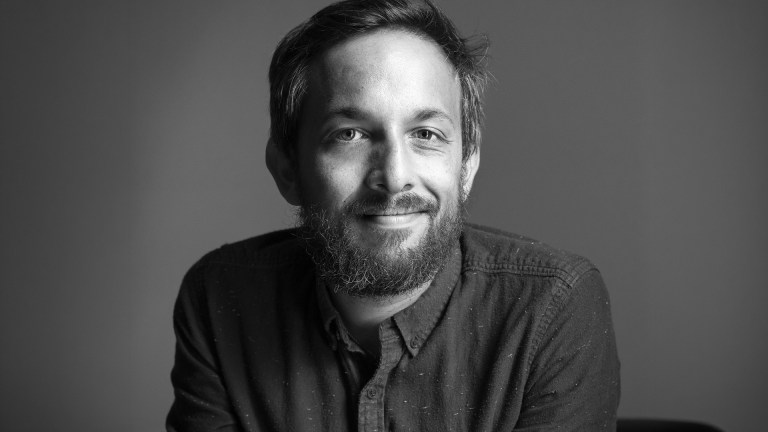
Laid on top of all that is the FIFA superstructure, the operating model of football’s governing body which is not fit for purpose. Nicholas McGeehan, the director and co-founder of FairSquare, a non-profit organisation, explains: “I don’t think FIFA meant to become a supervillain. But the way that football has grown is completely unsuited to FIFA’s governance structure. FIFA needs to make all its money in one year out of four. They want to wring every dollar or penny out of the host country.”
That means FIFA is structurally incentivised to go where the money is – regardless of moral or ethical concerns. It pays none of the costs of the World Cup and walks away with all the revenue. The host nation then passes the costs to supporters through hotels, food, drink and ticket prices. But what are supporters meant to do about this combination of ethical, moral and financial disasters?
How should we respond to a World Cup held in Donald Trump’s USA? McGeehan sums it up nicely: “I think supporters feel helpless because they’re like, what can I do? I love the game. I want to see this. I want to support my team. What do you expect me to do that is going to make any sort of difference?