Publication of the government’s latest National Planning Policy Framework (NPPF) – revealed in a blaze of publicity last week – was simultaneously long-awaited and out of the blue.
The NPPF is a crucial document which sets out the government’s rules for how all planning applications should be decided, and how local authorities should plan for the future of their areas. In theory, all regional and local planning policies should be compliant with it. Having been published on 17 August, it takes immediate effect.
The contents were not entirely a surprise: building around railway stations had been a key tenet of the Labour government’s push to build more homes, and a consultation draft of the policy had been released in the dying days of 2025. Earlier this year Steve Reed, then housing secretary, promised the final version before the summer recess. When it had failed to arrive, those of us who follow these things assumed it wouldn’t then appear until MPs’ returned in September; perhaps so that it would be seen as a Burnham project rather than a Starmer one – 0r because the government would be reluctant to publish such an important piece of policy during the silly season.
So, its sudden appearance in the middle of August came as a surprise.
The headline-grabbing announcement that accompanied the launch is also the most controversial. Under this policy, automatic planning permission will be granted for new homes around well-connected railway stations – an idea much to the chagrin of rural voters who have quickly mobilised to oppose the idea. Battle lines have been swiftly drawn, and the usual lazy tropes about “concreting over the countryside” have been deployed.
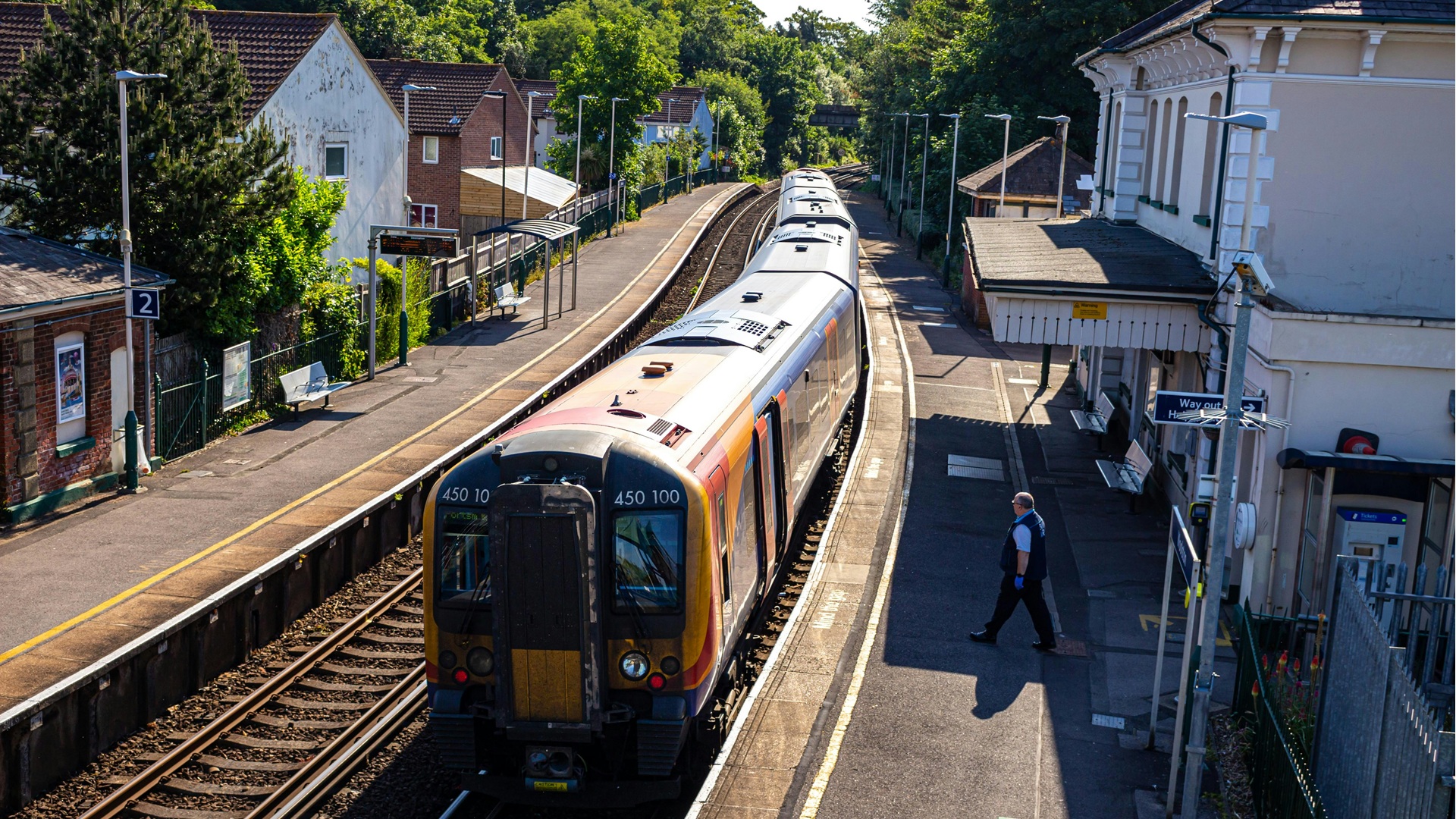
According to the new policy, well-connected stations (which means those already served, or capable of being served, by frequent trains) that are also in areas of high productivity should have new homes built around them. The document goes as far as determining minimum density requirements, set at 35 or 45 homes per hectare depending on the number of services per hour. For reference, a typical edge-of-town housing estate might achieve 20 homes per hectare; tight terraced streets as much as 50. Sitting somewhere in between, the NPPF targets feel about right, having been reduced from 50 since the December draft.