By the time I unearthed this bag, it was creased and worn. It bulged not with clothes but with a huge archive of cards dating back to 1985. The earliest were from my father. We didn’t live together, but he would send me a postcard from his office once a week. They carried the sort of quirky imagery that you didn’t get in WHSmith back then.
The first featured a picture of Charlie Chaplin falling over. On the back, he had written ‘They could have knocked me down with a feather when I heard you were back at school!’ His captions were always pithily funny. He was an ad man by trade. He didn’t sign it dad (which I rarely called him) or Baz (the nickname most people used for him). He signed them all: Love Barry x. I saw him most weekends for trips to the zoo or a museum. This was his way of showing me he thought about me in the week too.
I took a photo of the cards and sent them to him. I told him how much I used to enjoy receiving them. He remembered them too and said he loved finding them and thinking of what to write on the back. He is 86 now.
Keep reading the journalism that powers our mission
Register free to continue and learn more about the stories, campaigns and the support we provide, helping people facing poverty across the UK.
Read more:
There was other stuff in the archive: handmade birthday cards from my mates in the days before Photoshop, let alone Canva. Teenage boys who had painstakingly fashioned personalised cards using scissors and glue. The sentiment was always juvenile, often obscene and usually hilarious.
There were leaving cards from my first places of work. The types that are signed by a dozen or more people, each with their own little messages of encouragement. I briefly worked for the Labour Party when I was 19. The leaving card features offers of work from two future leaders of the party. I never contacted them again. When I graduated from university all I wanted to do was get a job on a lad mag so I could access free beer.
There were postcards from friends on their summer holidays. Long, silly messages, filled with bizarre detail. In person, all we ever did was abuse each other. In retrospect, those cards were expressions of a deep affection. I wondered if I sent similar stuff to them. I think I did.
When I think about my life, I often have a vague sense of being an outsider looking in. A young man on the fringes. A boy with his nose pressed against the window of Duffer of St George, knowing what he wanted but too fretful to actually take it.
The contents of the bag tell a different story. They documented a life closer to the one I always wanted. One where I was happy, accepted, liked. I always knew that I was loved. Being liked sometimes felt even more important.
Why do we tell ourselves sadder versions of our own lives? I remember enjoying life when I was a young man. And then, as I reached middle age, I crafted a new narrative. One that placed more emphasis on the occasional disappointments than regular good fortune.
Perhaps it is a form of protection. Perhaps acknowledging that I had everything feels like too much pressure.
Anyway, I went on Vinted the next day and bought an old zip-up hoodie. It was bright green with red lettering across the chest spelling out the word Duffer.
I saw it as a gift from 50-year-old me to 19-year-old me. He had a happy life. But I know something he didn’t.
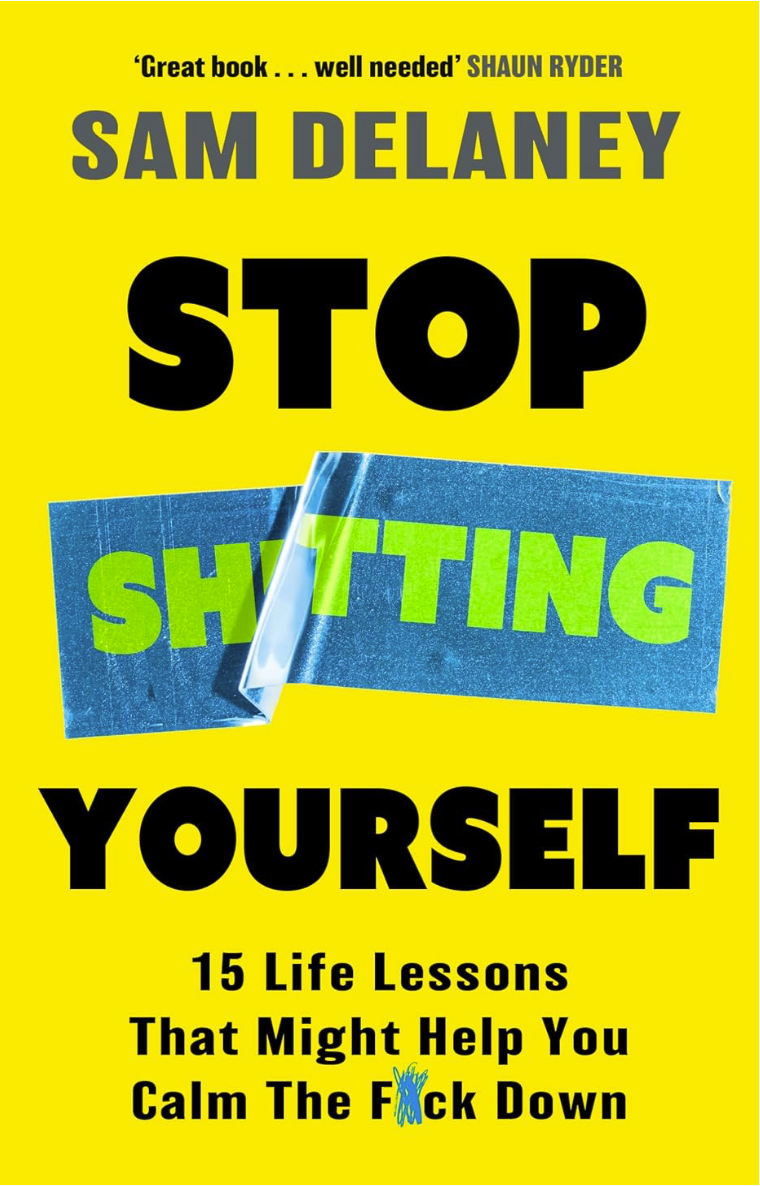
Sam Delaney’s book Stop Sh**ting Yourself: 15 Life Lessons That Might Help You Calm the F*ck Down is out now (Little, Brown, £12.99) and is available from the Big Issue shop on bookshop.org, which helps to support Big Issue and independent bookshops.
Do you have a story to tell or opinions to share about this? Get in touch and tell us more.
Change a vendor’s life.
Buy from your local Big Issue vendor every week – and always take the magazine. It’s how vendors earn with dignity and move forward.
You can also support online:
Subscribe to the magazine or support our work with a monthly gift. Your support helps vendors earn, learn and thrive while strengthening our frontline services.
Thank you for standing with Big Issue vendors.