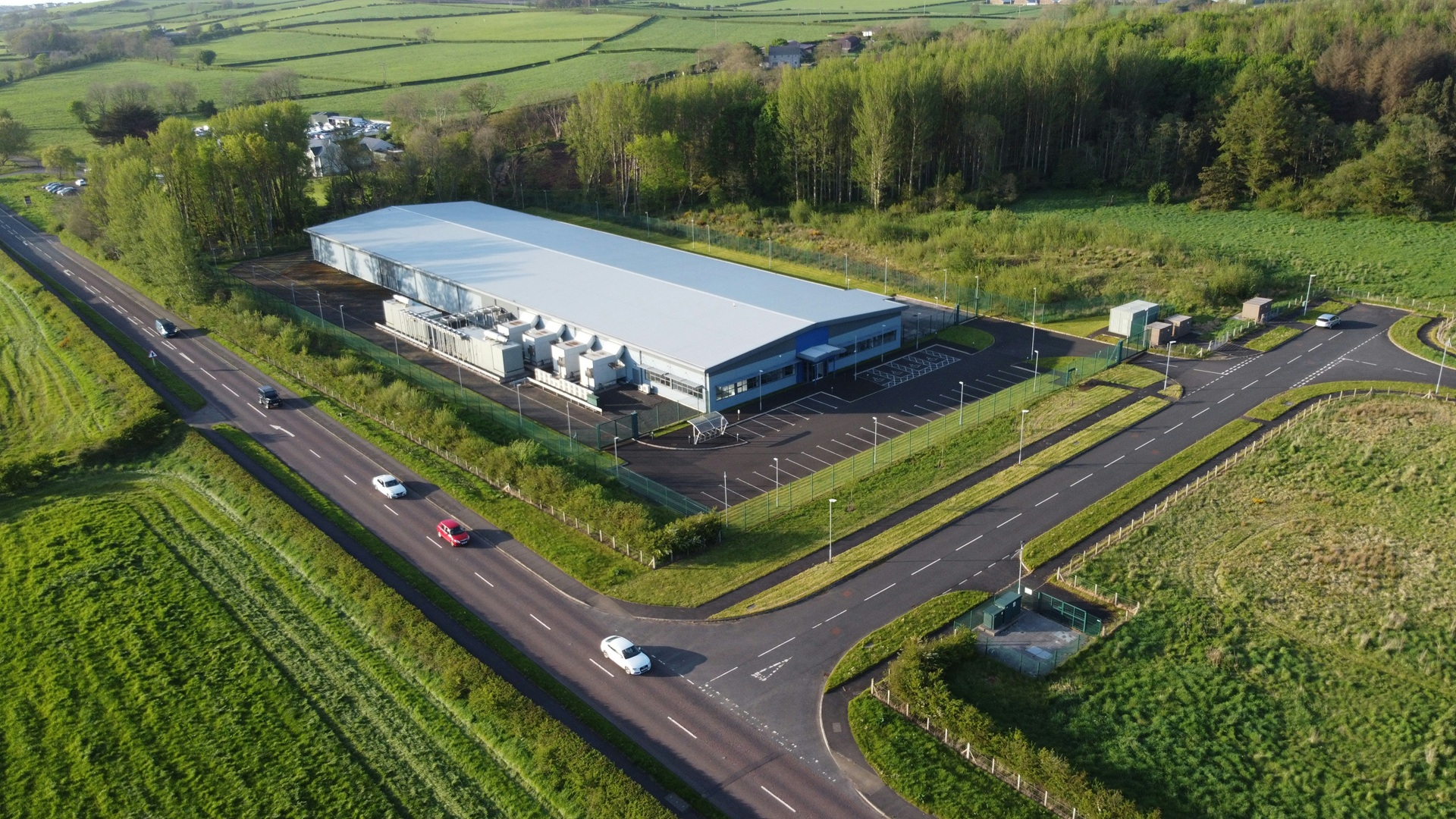
I’ve asked an AI assistant to describe the small Scottish village of Auchtertool: “It is known for its historic parish church and a current local controversy regarding a proposed massive 600MW data centre campus.” A few days earlier, the same search only mentioned Auchtertool Kirk, pleasant rural walks and the ruins of 900-year-old Hallyards Castle.
Getting on AI’s radar could show how quickly it’s learning, or be counted as a win for the three-day protest that took place last week. The aim was to raise awareness about the plans from ILI Group to build Cato, one of the largest data centres in Europe, next to the village – a 60-hectare site that would be larger than the village itself.
The plan attracted more than 14,000 local objections. Pretty good going for a town of fewer than 600 residents.
If built, the £5 billion project would include six 35-metre ‘data halls’ and consume as much energy as 1.34 million households – around 20% of Scotland’s current energy use. And Cato is only one of 24 ‘hyperscale’ data centre proposals across Scotland.
The impact of these facilities is a growing concern everywhere and inspiring some curious collaborations: read about how bikers and bugs are joining forces in Essex in the new Big Issue.
More AI infrastructure is undeniably required. Whenever we do anything that can be digitally monitored (ie everything) information is processed. A detail of Cato’s plans stood out to me. The designs are described as drawing inspiration “from the ancient Greek stoa, a covered colonnaded walkway where the Stoic philosophers gathered to exchange ideas, and from the related classical tradition in which proportion, order and harmony were understood as expressions of a deeper philosophical worldview”.