A number of conflicting, seemingly unrelated thoughts run into my mind as I reflect on current events. For instance, who was to know back in the post-Second World War world that one day the world economy would be so enormous, and individual economies so geared and tied to each other?
Back then the west could still see Africa and Asia as playthings. To do with as it wished. Now the Strait of Hormuz gets closed and markets flounder worldwide. Not just because 25% of global oil goes that way, but so does a third of artificial fertilisers.
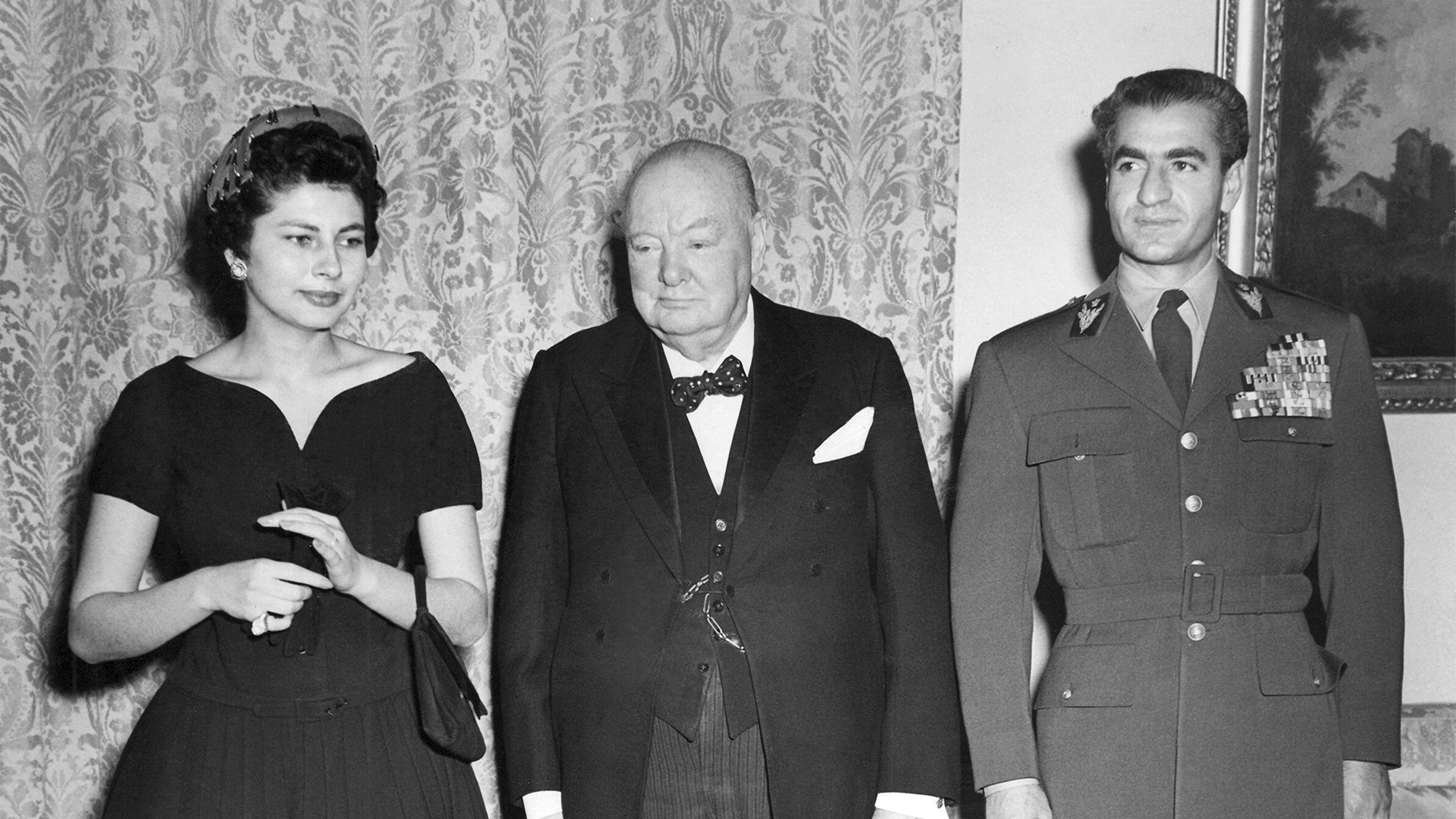
Who was to know when Churchill’s government and the US government engineered the overthrow of Mossadegh, the legally elected prime minister of Iran in 1953, and his replacement with the Shah of Persia, that this would lead to the militant and military Iran of today? That the west-loving Shah would inadvertently sire a revolution that would sweep him away, as well as any desire for compromise with his former friends. A world economy so buoyed by vast increases in population and consumerism that oil and its byproducts would change the weak into the strong.
When Israel was fashioned out of Palestine it was a different world entirely. A certain quietness existed, especially in the oil-rich lands of the Middle East. Even the term ‘Middle East’ suggested everything was measured from Big Ben. The world was the oyster of London, and then Washington. Until capitalism made everyone a consumer, making oil and its derivatives essential to all our lives. The current war with Iran was sewn into the fabric of future events when Iran had the cheek to nationalise its oil production. The oil-producing wealth ended up largely being exported to the west.
Read more:
- Iranians in Britain call on UK government to stand with the people of Iran against brutal repression
- The Middle East has been betrayed – but despite everything, there is always hope
- What will the Middle East conflict mean for UK energy bills?
The Shah’s imposition as head of state suited the oil companies and their governments. But history was waiting and changing. You reap what you sow. The debris of history, past events producing tectonic changes, led to the Iranian Revolution and the current injuries to the world economy. The background was always capitalism hungrily demanding new forms of wealth, driving forward the exportation of jobs from the west to the east. Bringing more trade worldwide. And turning the Strait of Hormuz – the result of the tectonic plates of Arabia and Eurasia crashing together many millennia ago (you can’t blame capitalism for that) – into the fulcrum of a world crisis.