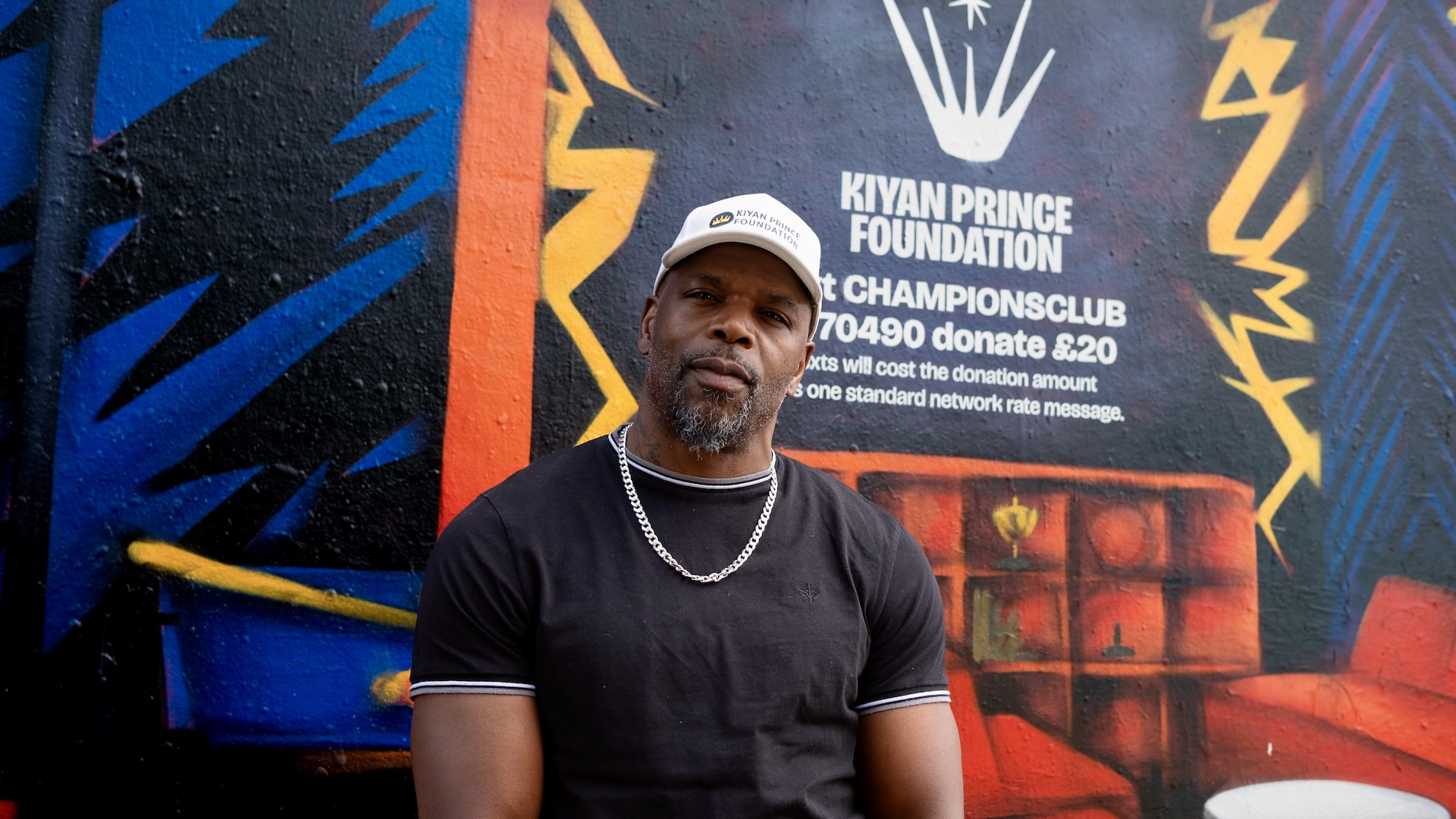
Twenty years ago, on 18 May 2006, my son Kiyan lost his life doing the right thing. He stepped in to protect someone. That’s who he was – courageous, selfless, and strong enough to stand up for others, even at 15. Too often, people focus on how Kiyan died. I want people to celebrate how he lived.
He believed in being himself. He believed in looking out for others. He believed you didn’t need to follow the crowd to earn respect or to fit in to be accepted. That belief – that young people have the power of choice – is what has driven everything I’ve done since Kiyan died.
But if I’m honest, 20 years on, we haven’t built a country that makes that choice easy. We’re still responding to youth violence after it happens, instead of preventing it before it starts. I’ve spent the last two decades working with young people, and what I see from people in power doesn’t match how we talk about this issue.
Read more:
- Two-thirds of adults predict kids today will be worse off than their parents
- Tackling violence against women and girls means dismantling the systems that enable it
- Andy Burnham: ‘Making space for people to create is how we build a healthier, more hopeful society’
Young people are not waking up wanting to hurt each other. They’re looking for belonging. They’re looking for purpose. They’re looking for success and respect. They are looking for role models and, if those things are not available in dedicated places and spaces just for them, they will find them somewhere else.
That is the reality – and it’s why, 20 years after Kiyan’s death, I’ve created a blueprint with 20 ways that young people in Britain can move from a mindset of surviving to one of thriving and becoming future champions. If we want to change outcomes, we need to be clear about what needs to change – not just in the system, but in ourselves as well.