As co-chair for the all-party parliamentary group (APPG) for ending homelessness I welcome the long-awaited publication of the cross-government strategy to end homelessness. Our APPG, supported by Crisis, the secretariat, worked closely with the wider homelessness sector, and those with lived experience, to formulate an idea of what we believed the strategy should look like in our report: Homes, Support, Prevention – Our Foundations for Ending Homelessness. To that end I do welcome much of the framework and aims of the strategy, but sadly believe the detail is lacking.
There are clear targets on halving long-term rough sleeping, ending the illegal use of B&Bs as long-term housing for families, preventing more people from becoming homeless from public institutions, including by halving homelessness on release from prisons and ending homelessness on discharge from hospitals, as well as requirements for councils to engage local people to design inclusive services. These all reflect our recommendations and are deeply welcome.
However, whilst these are positive measures, they still leave a lot of questions. Where is the accommodation for people sleeping rough coming from? What about specialised provision for those fleeing domestic abuse? Where will families in temporary accommodation be going after the six weeks? We have been waiting on this strategy for 18 months now, yet somehow it still looks as if it’s been rushed out. It falls far short of what the sector has consistently been calling for throughout this time.
The country is in the midst of an unprecedented housing and homelessness crisis – more than 380,000 people in England will be spending the festive season homeless, including 175,000 children. That is a complete and utter failing of our state. If we were to have any hope in turning this around, we needed to be bold.
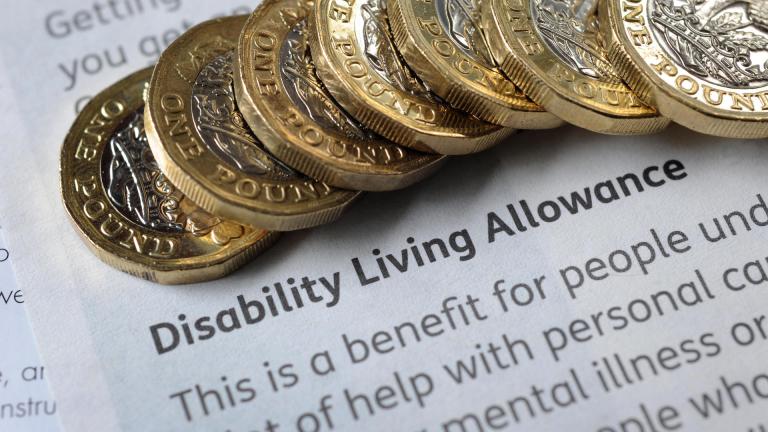
If the government had truly listened to the sector about what works, as an immediate measure they would have unfrozen local housing allowance (LHA). In my constituency of Liverpool Wavertree, LHA does not cover the cost of rent for over 55% of cases. Without this we will see more people made homeless due to unaffordable rents in the meantime.
As a long-term measure, a national rollout of Housing First should have been a core component of the strategy. Instead, it has only been included as a suggested approach for local authorities to undertake themselves. Housing First is proven to work for people with multiple needs. Recent MHCLG pilots provided with this service saw 92% living in a stable home after one year and it was repeatedly raised as best practice in the evidence we gathered as part of our work on the APPG report.