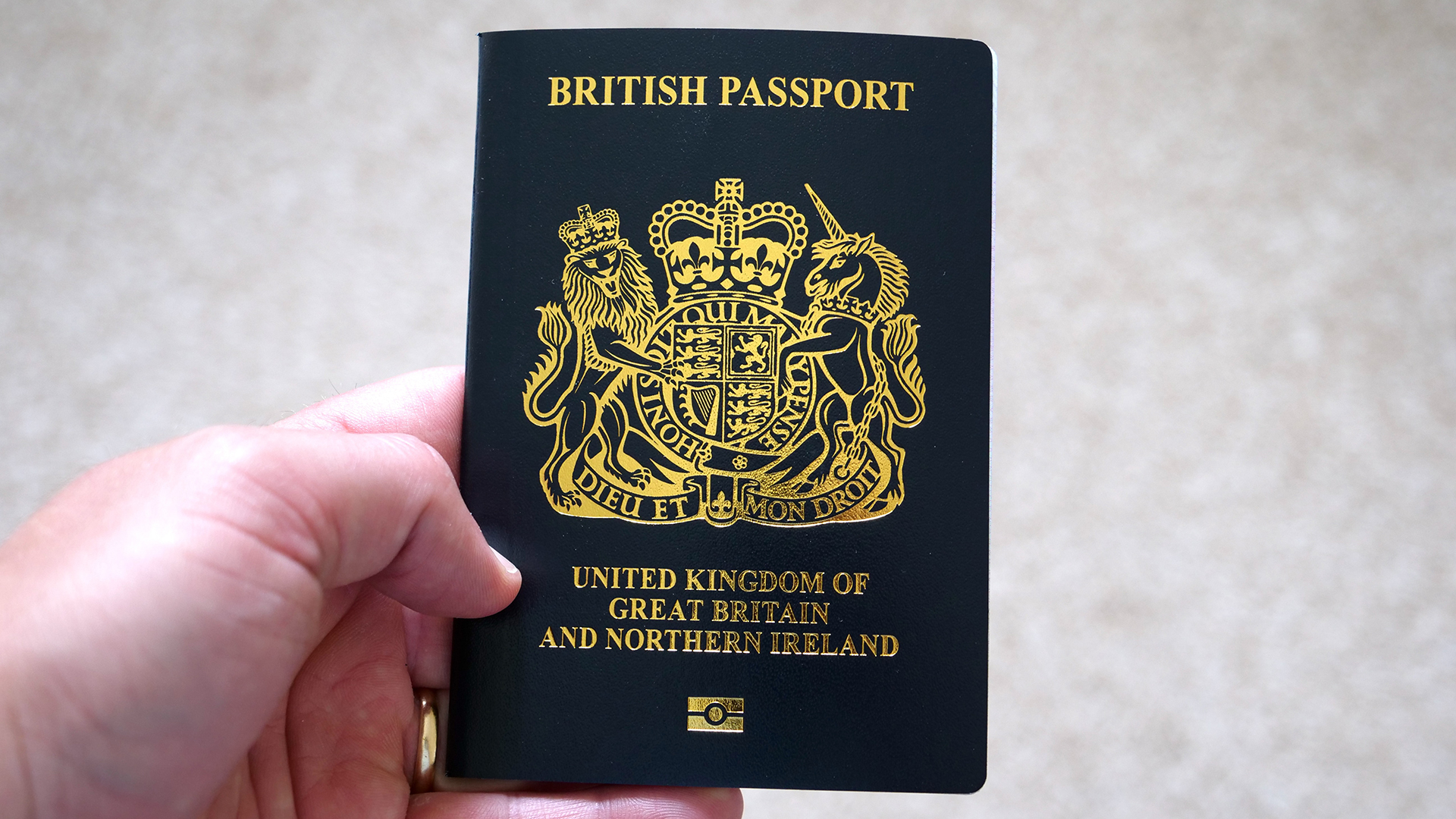
You can take practice Life in the UK tests online. I recommend the reality check. Despite thinking myself to be among the smartest people I know, I failed as often as I passed. I don’t know the maximum amount you can claim through a small claims procedure in Northern Ireland, nor the exact number of AMs sitting in the Senedd.
You can resit as often as you like at £75 a go. Beyond this trivia tax, there’s then the citizenship application costing £1,580 – increased by £250 last week. (In contrast, the £372 fee to renounce British citizenship seems like a bargain.) But besides being preparation for the British pastimes of pub quizzing or shouting at contestants on The Chase, there’s little in the Life in the UK test about values, attitudes or behaviour. Shouldn’t it examine queuing etiquette or whether somebody complains about food in a restaurant or just grumbles under their breath before telling the waiter “all good, thanks”?
On the same day as my partner was going through security scanners at the test centre, having her hair searched for hidden electronic devices, home secretary Suella Braverman was declaring that multiculturalism had “failed”. Last week she – the child of Mauritian and Kenyan immigrants appointed by the UK’s first Asian prime minister – followed that up at the Tory conference by warning of a “hurricane” of migration.
Keep reading the journalism that powers our mission
Register free to continue and learn more about the stories, campaigns and the support we provide, helping people facing poverty across the UK.
While I’ve been studying about Life in the UK, there are few positive examples of Britishness demonstrated by our elected representatives.
Where is the compassion, politeness, respect, self-deprecation, feeling shame for telling or peddling a lie? If these were qualities measured to assess your suitability for British citizenship, how many ministers would pass?
There will be dozens of dedicated public servants across parliament. There are wrong ’uns on all sides too. But government seems to be steered towards extremes by people who are at best delusional, at worst deliberate liars, as they amplify misinformation, attack imaginary meat taxes and legitimise conspiracy theories that are easily debunked.
Another question in my wife’s test (which she passed, by the way) asked about the responsibilities of a British citizen. Options included looking after your family, contributing to your community and criticising the government.
You’re not told which answers are correct. We don’t know whether the test deemed the right to criticise the government as a right answer. But until it’s taken away from us, we might as well make the most of that privilege.
Steven MacKenzie is deputy editor of the Big Issue. Read more of his writing here.