Your support changes lives. Find out how you can help us help more people by signing up for a subscription
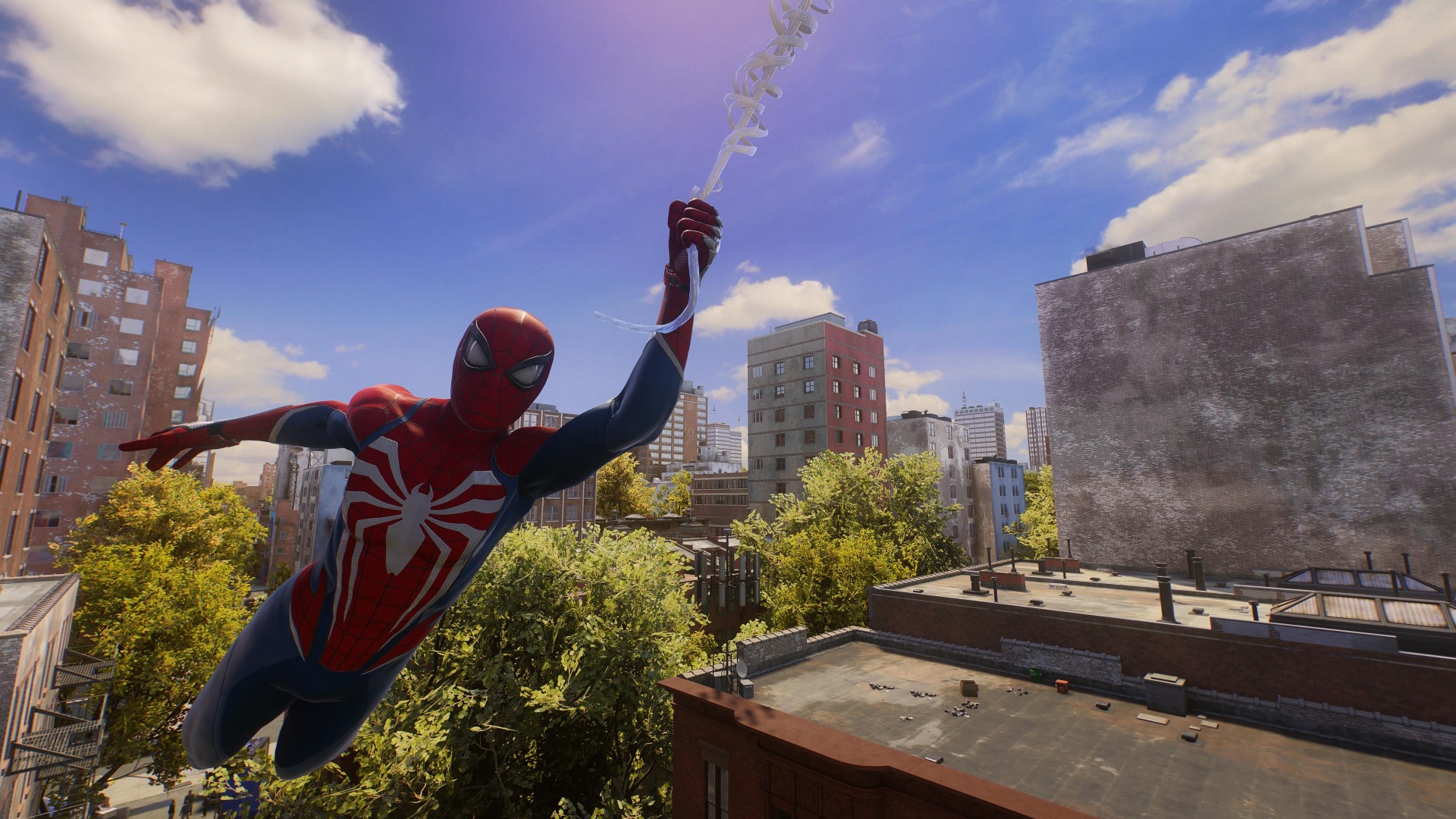
In fact, Spider-Man even plays an integral role in signposting one character, Gloria, to support at F.E.A.S.T. after saving her from being attacked by thugs and she pops up throughout the game and its expansion/midquel Marvel’s Spider-Man: Miles Morales on her journey out of homelessness.
The Big Issue previously interviewed the developers who make the PlayStation exclusive games, Insomniac Games, to find out why homelessness was given such a prominent profile in the game.
Continue reading for free
Registration is free and takes less than 30 seconds.
Our supporters make Big Issue’s work possible. Join us to see the impact we’re having together and discover more ways to help people facing poverty access income, opportunity and support.
Ryan Schneider, Insomniac Games chief brand officer at the time, said the use of the shelter offer an “opportunity to see how Peter blends his human and superhuman worlds”.
He added that developers wanted to “treat the issue of homelessness with the sensitivity and dignity it deserves and requires” and “how we portrayed the homeless population was not taken for granted during development”.
Ben Arfmann, one of the writers on the original game and the sequel’s narrative director, said he drew on the experiences of a shelter called Bridge House where his family volunteers in Colorado in the US to inform how people experiencing homelessness were portrayed. He said that meeting staff and clients was “was invaluable in opening my eyes to the breadth of this issue”.
Advertising helps fund Big Issue’s mission to end poverty
And as for the decision for Parker himself losing his home, developers hoped it would strike a chord with others too.
As Schneider put it: “If Spider-Man can be evicted and feel like he has no place else to go, it can happen to anyone. Maybe that will get someone to think twice about how they characterize someone else without a physical home.”
The sequel Marvel’s Spider-Man 2 comes out today and publisher Sony has already been showing off Parker’s housing situation: he’s now a homeowner with players able to explore Aunt May’s house in Queens.
Concept art of the front of the house was released ahead of the game’s release – an unusual step for a game where punching supervillains like Venom and Kraven the Hunter in the face is most likely the main appeal.
But it is testament to how the housing crisis is so deeply woven into society globally that depicting a superhero’s housing situation in a video game is vital to building a deep and believable world for players to explore.
Get the latest news and insight into how the Big Issue magazine is made by signing up for the Inside Big Issue newsletter
Advertising helps fund Big Issue’s mission to end poverty
Spider-Man 2 continues to show that crisis further up the chain.
For all his spider superpowers, it still took inheritance for the superhero to get on the property ladder too.
And Parker is struggling to keep up with the mortgage while juggling a job and a side hustle. For anybody who has tried to stay ahead on a variable rate mortgage while interest rates have been rising, that will be truly relatable.
After all, if a bite from a radioactive spider can’t solve the housing crisis, good luck to the rest of us.
Marvel’s Spider-Man 2 is out now on PlayStation 5.