We see the difference when it does. In our groups, when a child is met with understanding rather than suspicion, when sensory needs are accommodated rather than punished, when parents are listened to rather than dismissed, everything changes. Behaviour improves. Anxiety drops. Families breathe again. This is not magic. It is timely, relational, strengths‑based support. And it is entirely achievable, if the system is resourced to deliver it.
Every school will be required to have an inclusion base. Done well, this could be transformative: a calm, sensory‑considerate space where children regulate, reconnect, and return to learning. Done badly, it risks becoming a holding room for children who don’t fit the mould.
The difference lies in culture. An inclusion base must be a place of dignity, not discipline. A space staffed by trusted adults, not a cupboard where distressed children are sent to “cool off”. If the government wants inclusion to be more than a slogan, it must invest in the people who make inclusion real.
Keep reading the journalism that powers our mission
Register free to continue and learn more about the stories, campaigns and the support we provide, helping people facing poverty across the UK.
The promise to train every teacher in SEND is long overdue. But families know the difference between training that changes practice and training that ticks a box. Real training is co‑delivered with autistic people and families. It is practical, scenario‑based, and rooted in trauma‑informed understanding. It acknowledges that behaviour is communication, that sensory overload is real, and that neurodivergent children are not problems to be fixed, but people to be understood.
One of the most important clarifications in the white paper is that parents will still have the right to appeal EHCP decisions and they will remain for ‘complex cases’. For many families, that right has been the only safeguard in a system where assessments are delayed, support is rationed, and decisions are too often shaped by budgets rather than need. Furthermore, children already in special schools will not be uprooted or forced back into mainstream settings. There remains much to be heard in terms of how ‘complex case’ is defined and how that definition will be applied in terms of who will be eligible for an EHCP under the new reform.
The reforms place huge responsibility on councils already operating under extreme strain. Without long‑term, ring‑fenced funding and clear accountability, the risk is simple: the system will promise more than it can deliver, and families will once again be left carrying the consequences. We cannot afford another cycle of reform that raises hopes only to break them.
Advertising helps fund Big Issue’s mission to end poverty
At EnFold, we see every day what happens when lived experience leads the way. Families know what works. Autistic adults know what dignity feels like. Communities know what they need.
If the government truly wants a generational shift, it must build this reform with the people who have survived the system, not simply consult them after decisions are made. Families do not expect perfection. They expect honesty, timeliness, and a system that sees their child’s brilliance before their challenges. They expect support that arrives before crisis, not after. They expect a school system that understands difference, not one that pathologises it.
The white paper offers a vision worth striving for. But unless implementation is grounded in lived experience, adequately funded, and relentlessly focused on dignity and inclusion, it risks becoming another chapter in a long story of unmet promises.
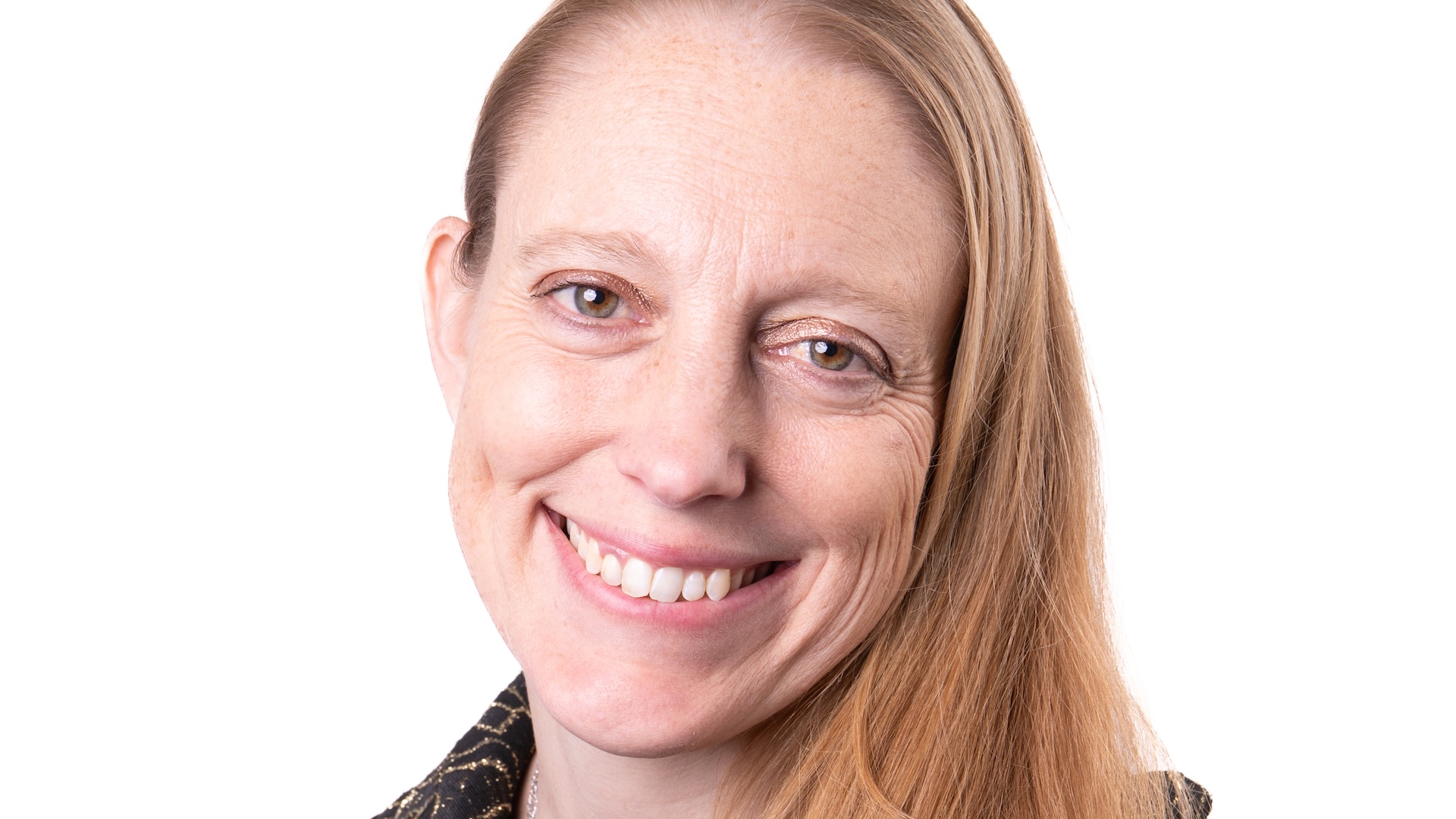
Diane Johnson is the founder and CEO of EnFold, a charity providing services to the autistic community in Northamptonshire.
Do you have a story to tell or opinions to share about this? Get in touch and tell us more.
Change a vendor’s life this winter.
Advertising helps fund Big Issue’s mission to end poverty
Buy from your local Big Issue vendor every week – and always take the magazine. It’s how vendors earn with dignity and how we fund our work to end poverty.
You can also support online with a vendor support kit or a magazine subscription. Thank you for standing with Big Issue vendors.