Dementia care is not simply managing a memory condition – it is navigating complex and fragmented systems, while managing safety, dignity, finances, relationships and emotional care around the clock.
As long as carents go unsupported, there are direct consequence – for their wellbeing, the quality of life of the person they care for, and for the avoidable pressures on frontline services.
Put simply, relying on families to ‘cope’ is unfair and unsustainable.
Keep reading the journalism that powers our mission
Register free to continue and learn more about the stories, campaigns and the support we provide, helping people facing poverty across the UK.
We need urgent action. The system needs radical overhaul. This is not about financial compensation, but about helping ensure that families who provide care are recognised and the system is set up to help them better access and navigate it.
Dementia Action Week provides us with an opportunity to highlight the army of family carers delivering a key public service with no recognition. These quiet heroes work behind the scenes, so quietly they take on huge personal burdens, not even identifying themselves properly as carers, often for long periods of time. We need to ensure the system identifies them and supports them before they reach breaking point.
That’s why we’re calling on ministers and government to do three things:
Advertising helps fund Big Issue’s mission to end poverty
Appoint a national dementia leadin government
There is currently no single point of accountability within government for dementia. A named lead, responsible for coordinating policy across health, social care, and employment, would ensure that both the person with the diagnosis and those caring for them are visible to the system.
Fund dementia in line with its true cost and impact
Dementia is the leading cause of death in England and Wales. Its costs fall disproportionately on families, with carers’ unpaid contribution to the UK economy valued at more than £100 billion a year. Recognition of dementia is needed as both a health and care priority, giving the condition parity with cancer and heart disease in research and service investment.
Guarantee proactive support for carents from diagnosis onwards
As many as 89% of carents looking after a loved one with dementia say support only arrives when things have broken down. A dementia diagnosis does not affect one person. It affects the entire family. Carents should be identified at the point of diagnosis and offered consistent, proactive support from that moment forward. Not left to reach crisis before anyone thinks to ask how they are doing.
Advertising helps fund Big Issue’s mission to end poverty
The forthcoming Modern Service Framework for Dementia and Frailty offers hope for system improvements, but only if it is backed by clear accountability and delivery mechanisms which a national dementia lead can harness to drive meaningful joined-up change across systems that currently fail to connect.
But system change isn’t enough. Culture must change too.
Nearly two thirds of carents (65%) say they actively downplay their caring role due to stigma, and 61% feel guilty asking for help.
Everyone affected by family care in later life deserves a level of support which recognises and reflects the burden they carry. That is why everyone, across society, needs to recognise and support those who really do care for dementia.
Read the full report here.
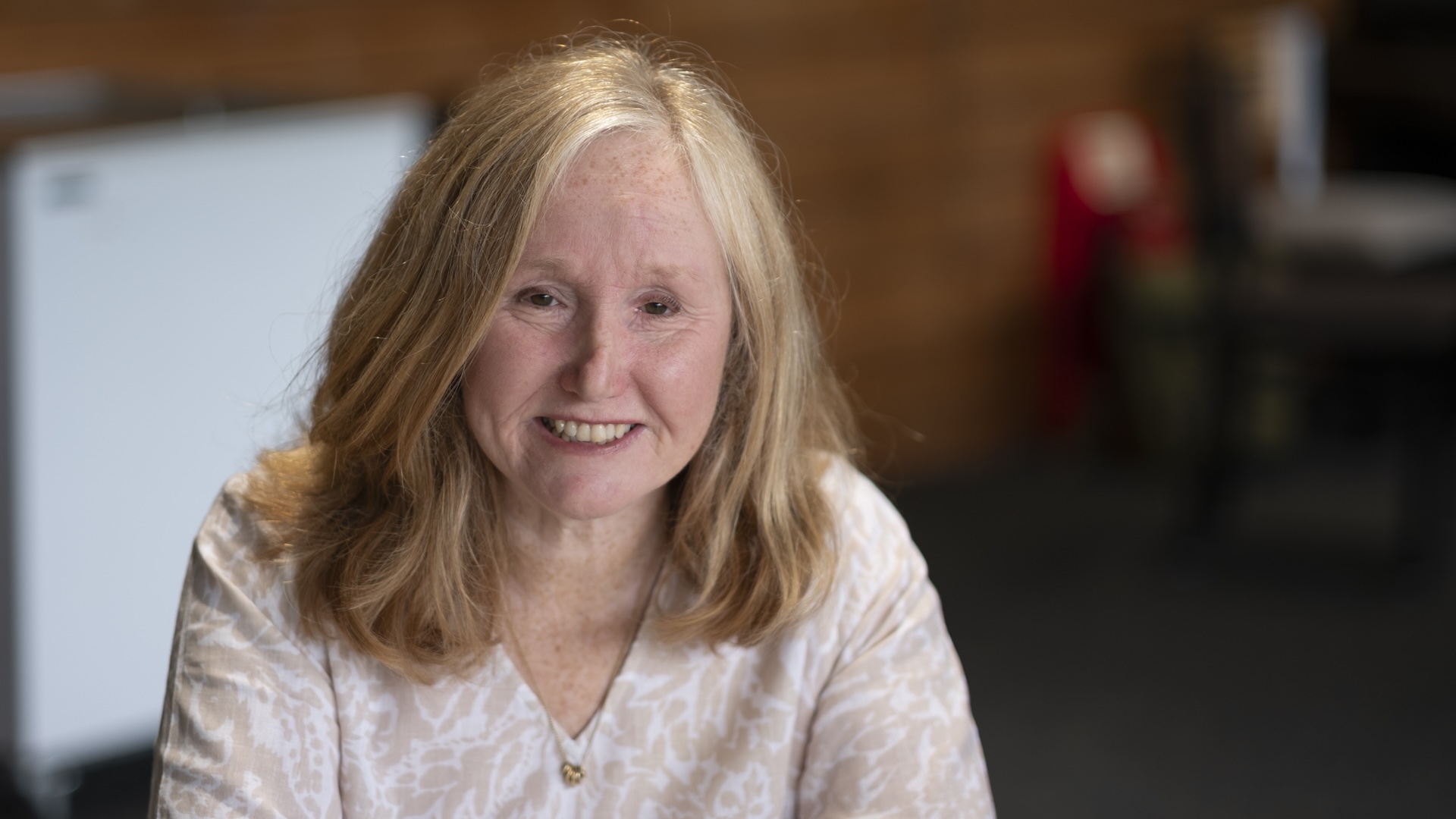
Dr Jackie Gray has worked as an NHS GP, an NHS consultant in public health, a university lecturer in epidemiology and public Health and director of a specialist health and care consultancy.She relinquished her GP role to help her own father during his final yearsand experienced multiple shortfalls in traditional support services for older adults and their families. In 2020, combining her lived experience and professional expertise, she founded The Carents Room.
Advertising helps fund Big Issue’s mission to end poverty
Do you have a story to tell or opinions to share about this? Get in touch and tell us more.
Reader-funded since 1991 – Big Issue brings you trustworthy journalism that drives real change.
Every day, our journalists dig deeper, speaking up for those society overlooks.
Could you help us keep doing this vital work? Support our journalism from £5 a month.