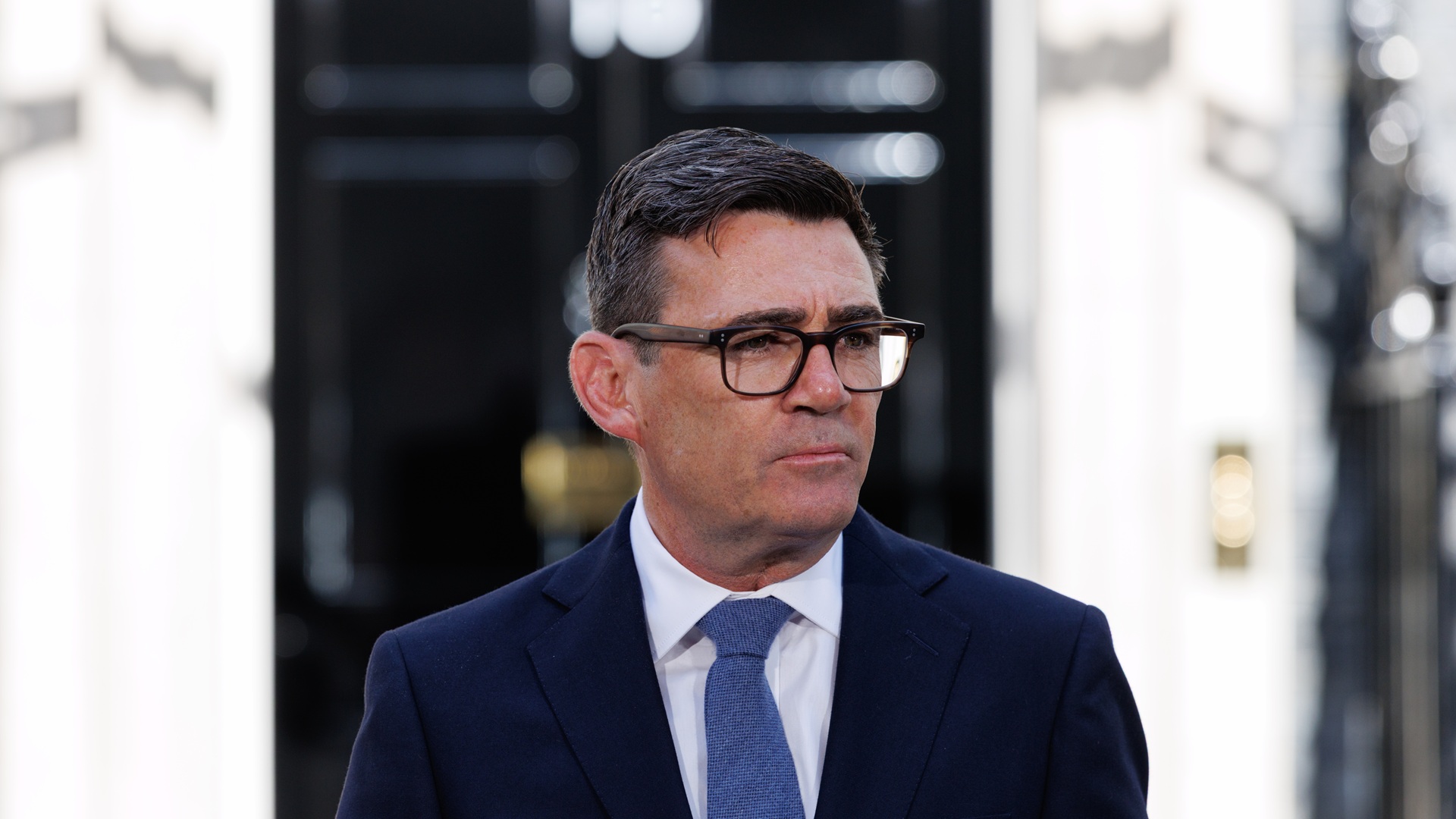
Andy Burnham faced no shortage of challenges in his first week. At the heart of all of them is a country where healthy life expectancy – the years people spend in good health – is falling. If Burnham has put delivering for communities at the centre of his agenda, then giving everyone the opportunity to live in good health must be his guiding principle. The causes of declining healthy life expectancy are complicated. Pressures on the NHS, where the majority of political attention has been focused, play their part. But our health is shaped as much by the places we live as the care we receive. The simple truth is those places are not supporting people to be healthy.
Secure and good housing is foundational to health. Since 2000, the number of people in the precarious and expensive private rented sector has doubled to 13 million. UK homeowners pay 19% of their income on mortgages; low-income households as much as 60% on private rent. Access to healthy food should be a right. But for too many it is a challenge, with healthy food costing over twice as much per calorie as the least healthy.
Poverty is both a deep cause and consequence of ill-health. In-work poverty has been rising for years, and child poverty has reached devastating levels: 31% of all children in the UK live in poverty.
These trends came up again and again in our recent State of Urban Health research. It uncovered stark inequalities between urban and rural areas, and shocking disparities within the towns and cities where 83% of the population live. In one London borough, there’s a 19-year difference in life expectancy for women within a 20-minute walking distance. These are the symptoms of a nation which is getting sicker, and where affluence sits alongside deep poverty and ill-health.
Burnham inherits the Neighbourhood Health framework which offers a chance to tackle these inequalities and foster environments that promote good health. And he can build on lessons learned from his time in Greater Manchester. Burnham’s approach to health worked. Greater Manchester has been one of the few areas to buck national trends. People there are living longer, healthier lives. Now he faces a bigger, national challenge.
As prime minister, Burnham should see the nation’s health not as a siloed policy area but as a fundamental metric of progress, a way of restoring people’s faith in government and a belief that politics can work for everyone. But how?