Like the claimants in this case, my report was never completed. I received no response. My detention was never reviewed in light of my vulnerability, and I was left at the mercy of a system with utterly inadequate healthcare.
I needed prescription medication for my health condition, which I had to get by going up three flights of stairs. I have mobility issues, but when I requested they bring me the medication, they said they were too short staffed. I was told “if you really needed it, you would climb the stairs”.
Sometimes I was in so much pain I couldn’t do it, which meant I missed doses and it became even more painful. The experiences of others were just as grim. I witnessed staff dismissing cries for help, labelling people as “attention-seeking” or “having a breakdown”, leaving them unsafe to themselves and others. Suicide attempts became normalised. One day, someone tried to hang themselves above me while I was eating breakfast.
I ended up doing what staff should have done: checking on people, helping them shower and change clothes, providing soap, putting sheets on beds, and even finding lawyers. Sometimes staff commended me for “being kind”, failing to acknowledge that caring for these people was their job, not mine.
People with severe mental illnesses wandered the centre like ghosts, empty vessels who had lost their will to live. Eventually, I isolated myself because witnessing this daily trauma was destroying my own spirit.
It isn’t just one area of negligence; everything is flawed. Legal advice is tokenistic. Rule 35 reports and safeguards are superficial. Reviews are superficial. Medical care is inadequate. Mental health support is almost non-existent. The system exploits people’s vulnerability, using despair to pressure them into leaving the UK.
When I complained, staff made me feel like it was my fault I was detained, saying I could be released at any time by agreeing to leave the country. But this is my home, my children and my family are here. Go back where? To what? I’ve lived here over two decades since I was a teenager.
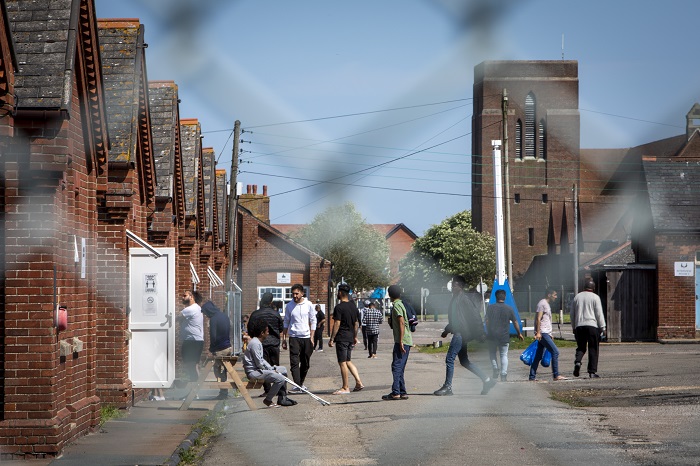
An inspection recently found conditions in a detention centre were the worst they have ever seen and research shows legal advice, needed to get out of detention, is at a record low. Despite all of this and this week’s ruling, detention is being expanded. There is no accountability, and policies are increasingly making it harder to get justice when people are unlawfully detained.
This High Court ruling confirms what those of us who have lived through detention already know: the system is broken. Vulnerable people are ignored, medical care is inadequate, legal safeguards exist only on paper, and despair is used to force people out of the UK. Until detention is ended, people will continue to be broken physically, mentally, and emotionally, only for the majority to be released back into the community traumatised.
As I finish writing this, my ankle tag alarm, forced on me as an immigration bail condition, is vibrating, a reminder that years after leaving detention, the cage is still around me. Detention does not rehabilitate, protect, or control; it destroys and divides. Until it ends entirely, it will continue to break lives, strip dignity, and leave people traumatised, long after they leave the walls of the centre.
Malachi, not their real name, is a vulnerable migrant who has been supported by the Bail for Immigration Detainees charity.Big Issue has contacted the Home Office for comment.
Do you have a story to tell or opinions to share about this? Get in touch and tell us more.
Change a vendor’s life this Christmas.
Buy from your local Big Issue vendor every week – or support online with a vendor support kit or a subscription – and help people work their way out of poverty with dignity.