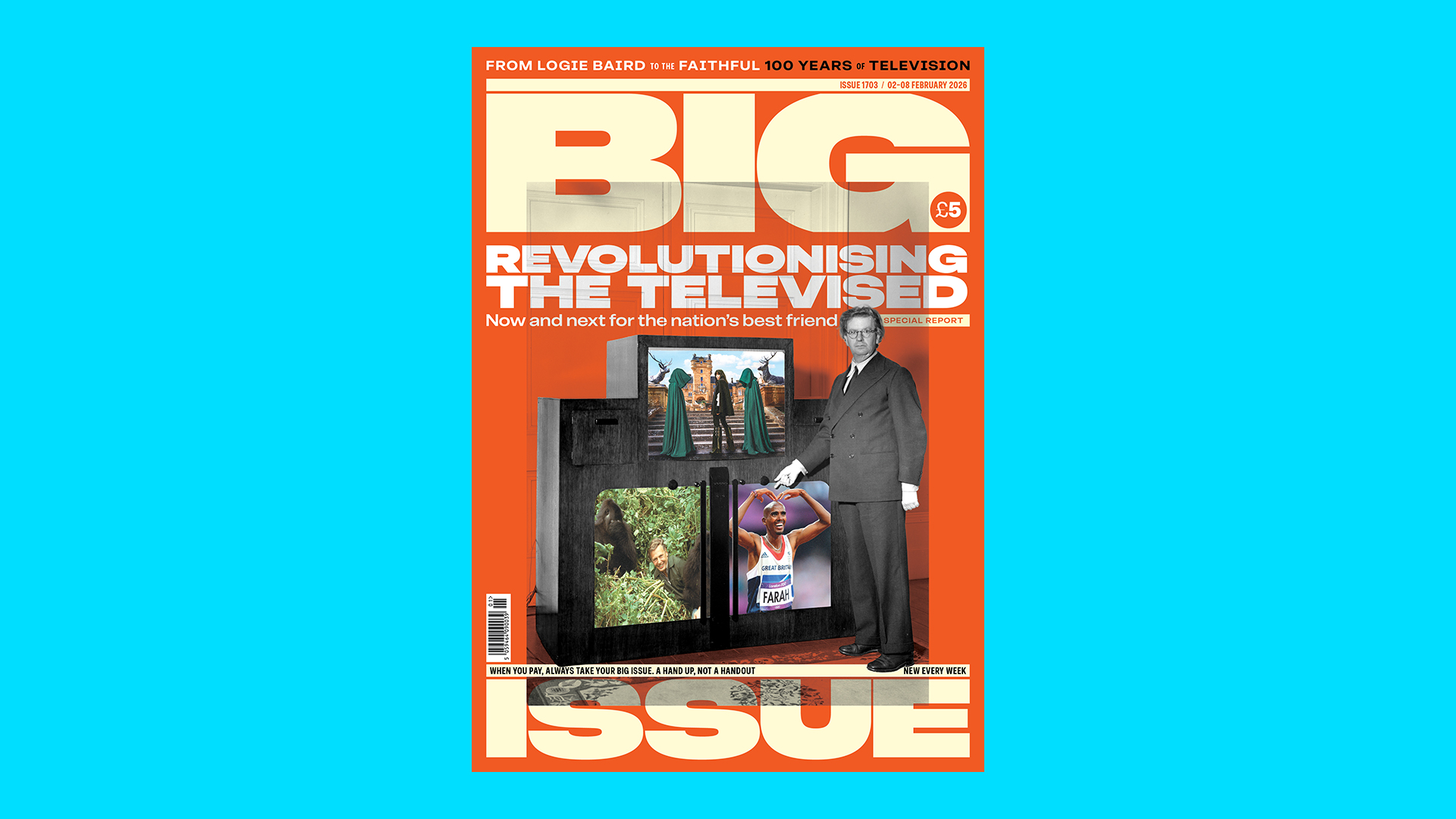
When John Logie Baird demonstrated the first working television set in 1926, a theatre impresario was so worried about the impact on the West End that he offered the scientist £1,000 to throw his designs into the Thames. Logie Baird persisted and, within a year, he had transmitted images along a telephone line from London to Glasgow; the following year he transmitted television pictures across the Atlantic.
In 1930, the BBC produced the first ever television drama – The Man With The Flower In His Mouth by Luigi Pirandello. The Coronation of King George VI led to the first major outside broadcast, and 9,000 television sets were sold. From there, the television revolution continued apace. Within 75 years, there were almost two billion television sets in use around the world – around three for every 10 people.
Read more:
- ‘We wanted to start a conversation’: Adolescence’s Hannah Walters on the TV show that defined 2025
- Riot Women star Joanna Scanlan: ‘I know now how much I really love life’
- How The Celebrity Traitors united Britain
TV is at right the heart of modern culture. So talking about television is never trivial. During the pandemic, it was still seen as the quickest and most trusted way to disseminate news. But technology is changing. And so is society. So where does television sit today? For millions of us, it is the prime source of entertainment. TV drama, comedy, reality shows, live televised sport all available at the touch of a button via an increasing array of global providers. Audiences are arguably more divided than ever; each of us able to curate our own TV schedules. But great television can bring us together – Jack Thorne did it with Adolescence, an innovative, audacious, alarming drama that went around the world and might just change laws around young people’s access to social media.
So where does the BBC and public service broadcasting fit into the global viewing marketplace? Where next for globalised drama? Who gets to be on television, and what are the barriers? And what about the future? TV didn’t kill the theatre, just as video largely left the radio star unharmed. But what will future viewing look like?
In this special issue, celebrated screenwriter Jack Thorne addresses the state of the nation’s TV industry, we look at the cliff-edge facing millions of people in turning off Freeview, we dive into the multibillion-dollar micro-drama industry creating even smaller screen dramas for mobile phones, and we speak to two rising new UK stars about to go global in Bridgerton and acclaimed US drama The Pitt. Turn on, tune in and read all about it…