In June, Nigel Farage resigned as the MP for Clacton, triggering a by-election that he cast as a “people versus the establishment” contest. The move came as the Reform UK leader faced an investigation by parliament’s standards commissioner over an undeclared £5 million gift from crypto billionaire Christopher Harborne. The so-called “establishment” swiftly dropped out, accusing Farage of diversion tactics.
“It is a farce and a desperate distraction, and the people of Clacton deserve better,” then-chancellor Rachel Reeves posted on X. “But if he wants to spend the summer arguing with a bin, I won’t stop him.” If you follow British politics at all, you’ll know the bin in question.
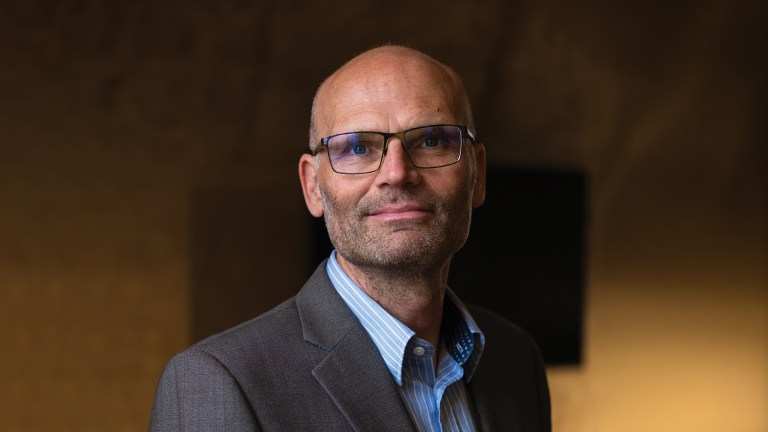
Count Binface is a 5,900-year-old intergalactic space warrior from the planet Sigma IX. When the bin comes off, he’s satirist and veteran BBC comedy writer Jon Harvey. As the Count, though, he has one mission: “Make Earth Great Again.”
Since 2019, he’s stood in five elections, including the London mayoral race, the 2024 general election and June’s Makerfield by-election against Andy Burnham. Now the Count is Farage’s highest-profile challenger in Clacton. A Survation poll put him on around 20% among Clacton voters; a separate national Ipsos poll found more Britons would rather see Count Binface win the seat than Farage, by 33% to 21%.
His policies are novel, to say the least: past manifestos included a pledge to “nationalise Adele”, and his current one promises to cap the cost of the 99 ice cream at 99p. But he’s an alien with taste: in 2024, he called Big Issue his “favourite Earth magazine by a country light year”. Days out from the by-election, Binface sat down with Big Issue to talk democracy, Clacton – and the great British tradition of taking the piss.
What else is in this week’s Big Issue
Andy Burnham said he wants to prevent homelessness. So we looked at how councils spent the money they’re given to do it
Prevention is vital when it comes to tackling homelessness. It’s been a buzzword for Labour politicians, including new prime minister Andy Burnham, in recent years. But with local authorities struggling to keep up with the scale of the homelessness crisis and a record number of households living in temporary accommodation, how is it possible to do the work needed to prevent people needing support in the first place?