Advertisement
Books

The men who invented the concept of race

What now functions as race in our collective consciousness stems from a variety of sources, many of which are lost in the sands of time

Writing or teaching about the subject of this book, the history of race, is no longer simply about the past; it is decidedly about our present. Yet it remains imperative to go back to the 18th century and even earlier to understand where the most dangerous idea ever invented came from.

I first became interested in this history when I was a graduate student at New York University during the mid-1990s. I realised then as I do now that one of the reasons that so few people are familiar with this story is because the subject is so mind-spinningly complicated. To begin with, the origins of what would become Europe’s understanding of race are scattered throughout history. What now functions as race in our collective consciousness stems from a variety of sources, many of which are lost in the sands of time.

Get the latest news and insight into how the Big Issue magazine is made by signing up for the Inside Big Issue newsletter

What happened in 18th-century Europe, however, deserves particular attention. As Christianity’s hold on the human story began to falter, secular thinkers raised new questions about humankind’s differences in a range of settings, from medical schools and anatomical theatres to royally sanctioned research academies and the great universities of Scotland and Germany. By the end of the century, scientific inquiry had radically reshaped what it meant to be human. The xenophobia of the past, once based largely on anecdote or religious prejudice, gave way to anatomical ‘data’, deterministic sociological theories and racial taxonomies that assigned entire populations to specific stages of development. What we now know as race, in short, came about in large part because of the institutions and methods invented by the Enlightenment.

Tracking the idea of race as it evolved in various spheres of thought is perhaps the most logical way to tell this story. I have done so myself in two previous books. Several years ago, however, I concluded that I might be able to write a more accessible history by embedding the story in a group biography – by plunging into the lives and (often messy) psychologies of the people who actually made race. The result of such a project, I thought, might read more like a novel than a textbook.

When I pitched this idea to a friend, she suggested that each one of my chapters feature a “people idea”,  a biography-driven segment that would bring to life the person and the specific concept related to race for which they were responsible. This became the main conceit of the book. The characters in this book are more than simply individuals: They are also stand-ins for the wide range of theorists who helped fashion race during the Enlightenment, among them travel writers, natural historians, climate theorists, anatomists, skull-measuring quacks, classifiers, jurists, planters, kings, ministers and presidents.
Advertising helps fund Big Issue’s mission to end poverty
Advertisement

Read more:

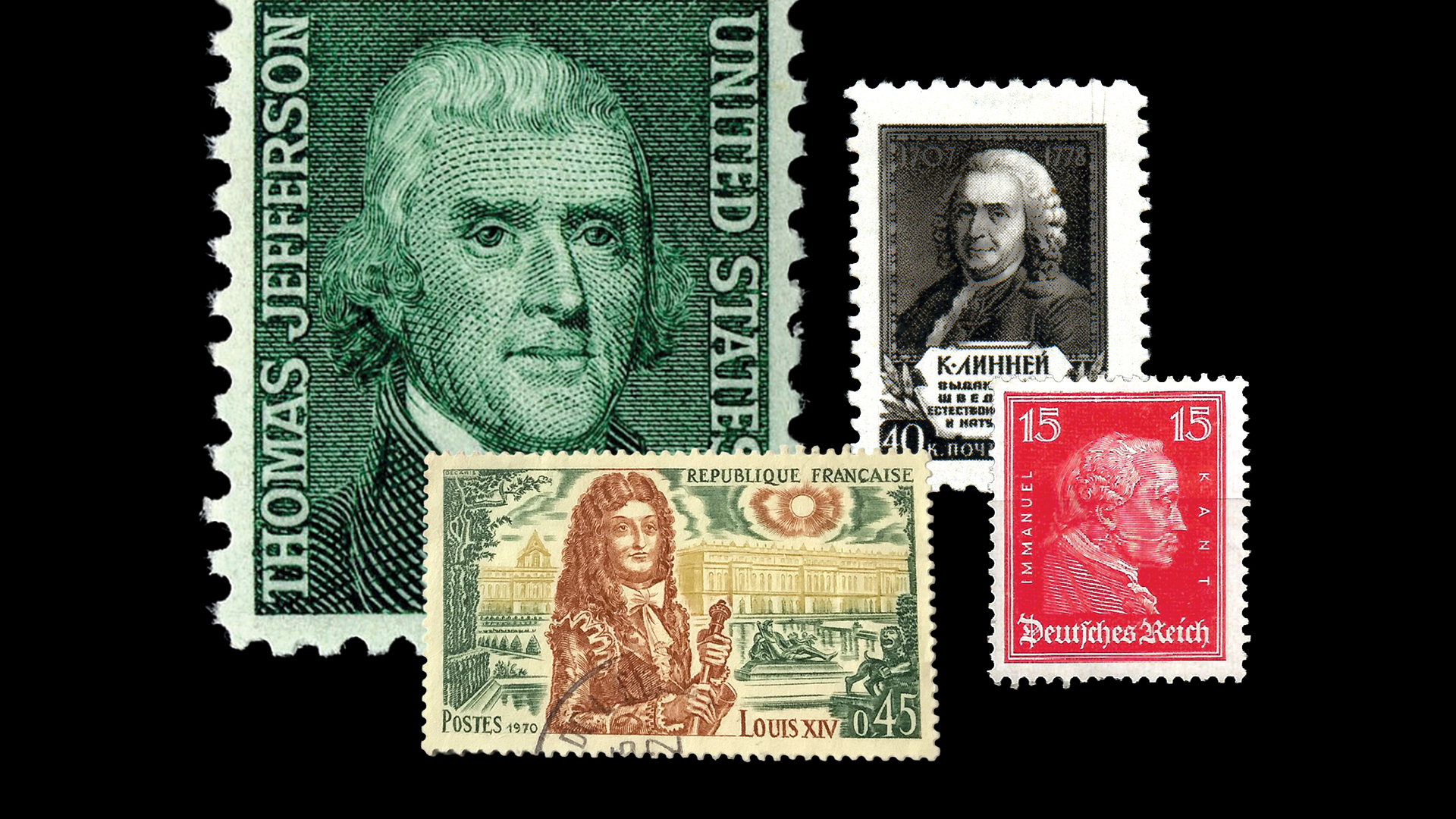
In The Race Makers, I have chosen to chronicle the lives and evolving ideas of 13 individuals, all of whom contributed in specific ways to the birth of race as a concept. The first figure is the most famous of French kings, Louis XIV, the 17th-century monarch and empire builder who commissioned the 60-article set of slave laws known as Le Code Noir (1685) for his Caribbean colonies.

From France, the book moves on, much like the concept of race itself, to other countries and thinkers: to Uppsala, Sweden, and the inventor of the term Homo sapiens, Carl Linnaeus; to Edinburgh where an astonishing group of men including David Hume, Adam Smith, Lord Kames and William Robertson began dividing up humankind in terms of stages of development; and to Prussia and the electorate of Hanover where Immanuel Kant and Johann Friedrich Blumenbach were defining and debating the notion of race as never before.

The final chapter brings us to Virginia in the 1780s, where Thomas Jefferson – the architect of American democracy, budding anthropologist, and future president of the United States – confronted the fundamental contradiction between universal human rights and what he believed to be the unfortunate liabilities of the “black race”.

The story that I tell is an example of what is sometimes called ‘top-down’ history, focusing as it does primarily on the ideas and the experiences of influential philosophers, naturalists, and politicians. My intention, however, is not to produce glorified portraits of these men. Throughout the book I have tried to engage with their legacies – good and bad – with honesty and clarity. I have also tried to remind readers that these same Enlightenment-era individuals not only helped transform the world’s peoples into ‘races’, but the fates of these same ‘races’ as well. Ironically enough, it is Voltaire who perhaps best sums up the reason for a book dedicated to the history of race and, ultimately, its casualties: “To the living we owe respect, to the dead, however, we owe only the truth.” 

The Race Makers: A History of The Enlightenment’s Most Dangerous Legacy by Andrew S Curran is out now (Saqi, £25). You can buy it from the Big Issue shop on bookshop.org, which helps to support Big Issue and independent bookshops.

Do you have a story to tell or opinions to share about this? Get in touch and tell us more

Change a vendor’s life.

Buy from your local Big Issue vendor every week – and always take the magazine. It’s how vendors earn with dignity and move forward.

You can also support online:
Subscribe to the magazine or support our work with a monthly gift. Your support helps vendors earn, learn and thrive while strengthening our frontline services.

Thank you for standing with Big Issue vendors.

Advertising helps fund Big Issue’s mission to end poverty

Do you know how Big Issue 'really' works?

Watch this simple explanation.

Recommended for you

Read All
AF Steadman: ‘Kids don’t want to be on their phones. They want books and deadly unicorns’
A F Steadman collects her British Book Awards 2026 Author of the Year prize
Social Justice

AF Steadman: ‘Kids don’t want to be on their phones. They want books and deadly unicorns’

Books have had a good run for 500 years. What does the future hold?
Books

Books have had a good run for 500 years. What does the future hold?

How to embrace your edginess and learn to be exhilarated by the unknown
Books

How to embrace your edginess and learn to be exhilarated by the unknown

I'm a probation officer. It's a frightening, upsetting, but also moving and hopeful world
Books

I'm a probation officer. It's a frightening, upsetting, but also moving and hopeful world

Most Popular

Read All
Renters pay their landlords' buy-to-let mortgages, so they should get a share of the profits
Renters: A mortgage lender's window advertising buy-to-let products
1.

Renters pay their landlords' buy-to-let mortgages, so they should get a share of the profits

Exclusive: Disabled people are 'set up to fail' by the DWP in target-driven disability benefits system, whistleblowers reveal
Pound coins on a piece of paper with disability living allowancve
2.

Exclusive: Disabled people are 'set up to fail' by the DWP in target-driven disability benefits system, whistleblowers reveal

Cost of living payments: Where to get help in 2025 now the scheme is over
next dwp cost of living payment 2023
3.

Cost of living payments: Where to get help in 2025 now the scheme is over

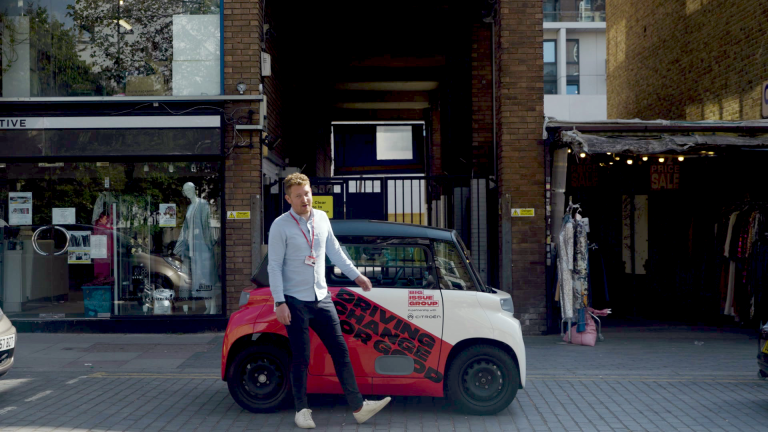
Citroën Ami: the tiny electric vehicle driving change with The Big Issue
4.

Citroën Ami: the tiny electric vehicle driving change with The Big Issue