Screenwriter Andrew Davies: ‘I didn’t mind people saying I sexed up Pride & Prejudice’
Andrew Davies survived script rejections, acting failures and being friendzoned in his youth. Now, as he turns 90, his late-blossoming writing career is a source of pride
by:
25 Sep 2026
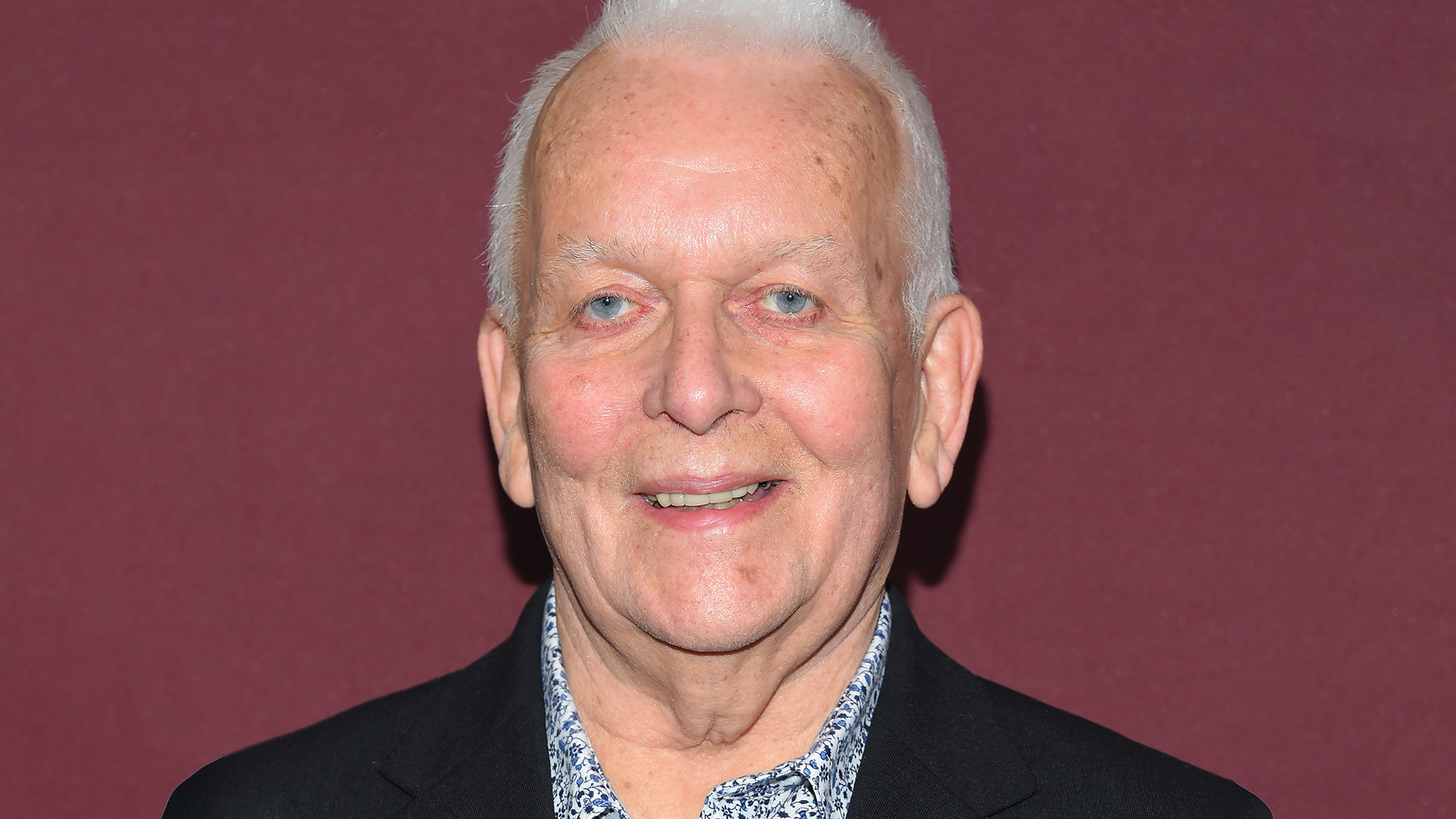
Screenwriter Andrew Davies Image: DFree / Shutterstock
Share
Andrew Davies was born in Wales in 1936. He attended grammar school in Cardiff, before studying for a BA in English at University College London. He became a teacher and later a lecturer, writing on the side. He wrote his first play for radio in 1964, and his first television play, Who’s Going to Take Me On?, was broadcast on the BBC in 1967.
Davies’s comedy-drama set in a university, A Very Peculiar Practice, was first broadcast on BBC2 in 1986; the following year he gave up academia to be a full-time writer. His many TV adaptation credits include To Serve Them All My Days (1980), Pride and Prejudice (1995), Vanity Fair (1998), Bleak House (2005) and Sense and Sensibility (2008). He has also written several children’s books and TV series.
Davies married Diana Huntley in 1960, and they had two children. He lives in Kenilworth. For his Letter to My Younger Self, he looks back on a life of writing, his parents, and the early days of his early relationship with his late wife.
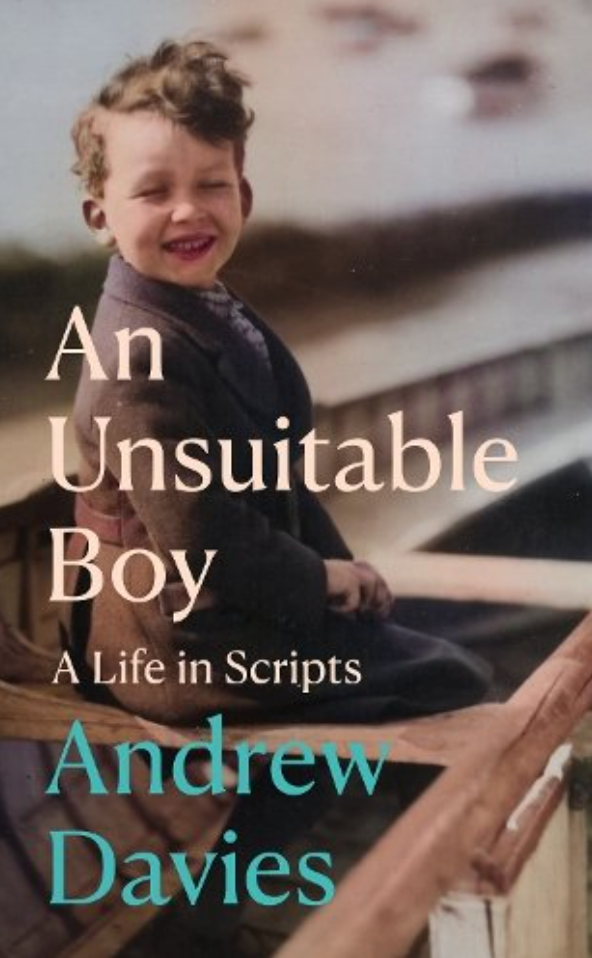
When I was 16 I was still in school. I was just finishing a year when I had a series of things happen to me – I got all those diseases like measles, mumps and chickenpox very late in that year, and all very badly. And I also broke my collarbone and poured a kettle of boiling water down my leg. So I had a series of minor disasters during that year. It was quite a confusing year in a lot of ways, but I think I was quite happy. I had a lot of friends And I had a feeling things were going to turn out fine.
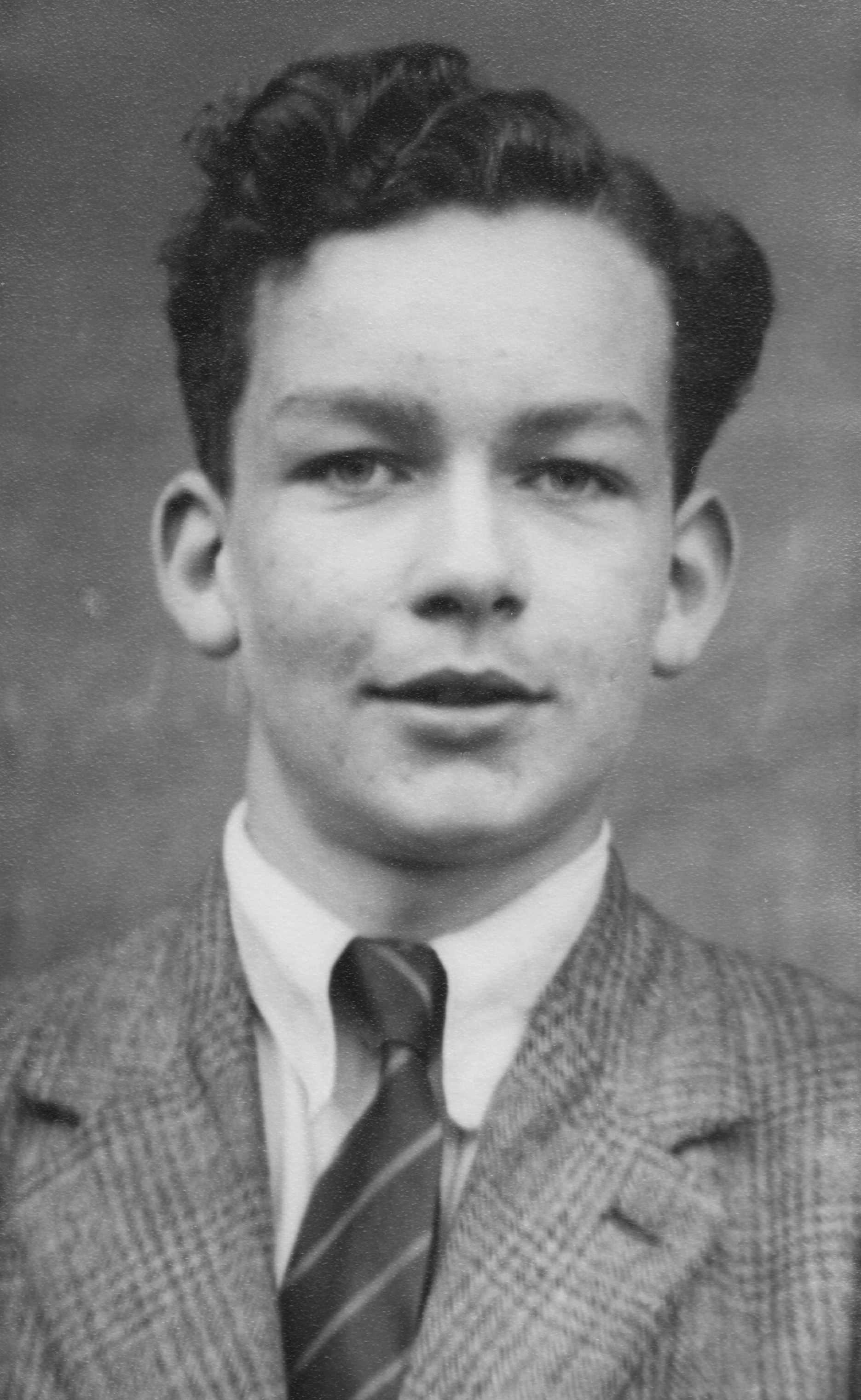
Andrew Davies at age 15, in 1951
I didn’t have a great deal of angst. I was kind of rebellious at school. The teachers didn’t like me. I was very cynical about the official values of the school, so I got into a lot of trouble, and they wouldn’t make me a prefect. But on the other hand, I was very happy at school because I liked my friends a lot, and it was a mixed school, and I just thought it was very nice being in a school with girls. It was more civilised than an all-boys environment, and these Welsh girls – I’m Welsh – they were just so nice, and they were just such good friends. You could fall in love with one, and then she’d break it off with you, but there you were, still together in the same class, so you had to deal with that and go into the friend zone.
I was very precocious. Not sexually, but romantically, and I fell in love with this girl called Hilary when we were both 11. She reciprocated for probably about a year. She really had this kind of star quality, which only I had been able to spot before her body developed. When it did she became very attractive to much older boys who smoked and had cars and had money and things like that. And so she went out of my orbit romantically, but she was still a very good friend. She was my ballroom dancing partner as well, until the dancing school said Hilary is very talented and she needs a taller partner if she’s going to win any competitions. And so I got pushed out of that as well. Magic, isn’t it?
Advertising helps fund Big Issue’s mission to end poverty
Advertisement
I didn’t get on very well with my parents because I had this very possessive, demanding mother who was really quite jealous of all my other relationships. She didn’t like me having friends, and my friends didn’t like coming round to the house because they were scared of her. I had a real struggle to be myself. She was always demanding all the attention. My dad was very nice. I had a very good relationship with him really, but he would always take her side if she demanded it. So it was not a great relationship, but it was probably very good for me being a writer because I had to spend a lot of time trying to think of what makes people act the way they do.
I wanted to be either a teacher or an actor. A teacher was what I did become, but I was quite a show-off, and I was pretty convinced of my own genius. I thought I’d be good at something. I was star of the school play and things like that. But that kind of died a death at university. I was in a play in my first term in London. I was terrible, and all my friends said, ‘You were really terrible in that, Andrew’, and I agreed, and so I never acted again. And I was very grateful for that, really, because I could have been a really mediocre actor. Just playing the second policeman all my life.
Read more:
Keep reading the journalism that powers our mission
Register free to continue and learn more about the stories, campaigns and the support we provide, helping people facing poverty across the UK.
So I thought I’d be a writer, but my dad said that writers don’t earn any money. You’ve got to have a job that pays the bills. So I thought I’d be a teacher like he was. He really loved his job, and I found I liked teaching as well, so I was a teacher and a writer until I was 50, and then when I was 50, I finally decided it was time to make my mind up, and I became a full-time writer.
If you met the 16-year-old me you wouldn’t like him much. You would think he really thinks he knows it all. He’s quite cynical, and why does he have to find fault with everything and everybody? I was quite tricky. I think when I met a stranger, I didn’t come out all friendly straight away. I was more like, ‘Go on, man. Impress me’. I am quite easy to like these days, but I was quite deliberately awkward then.
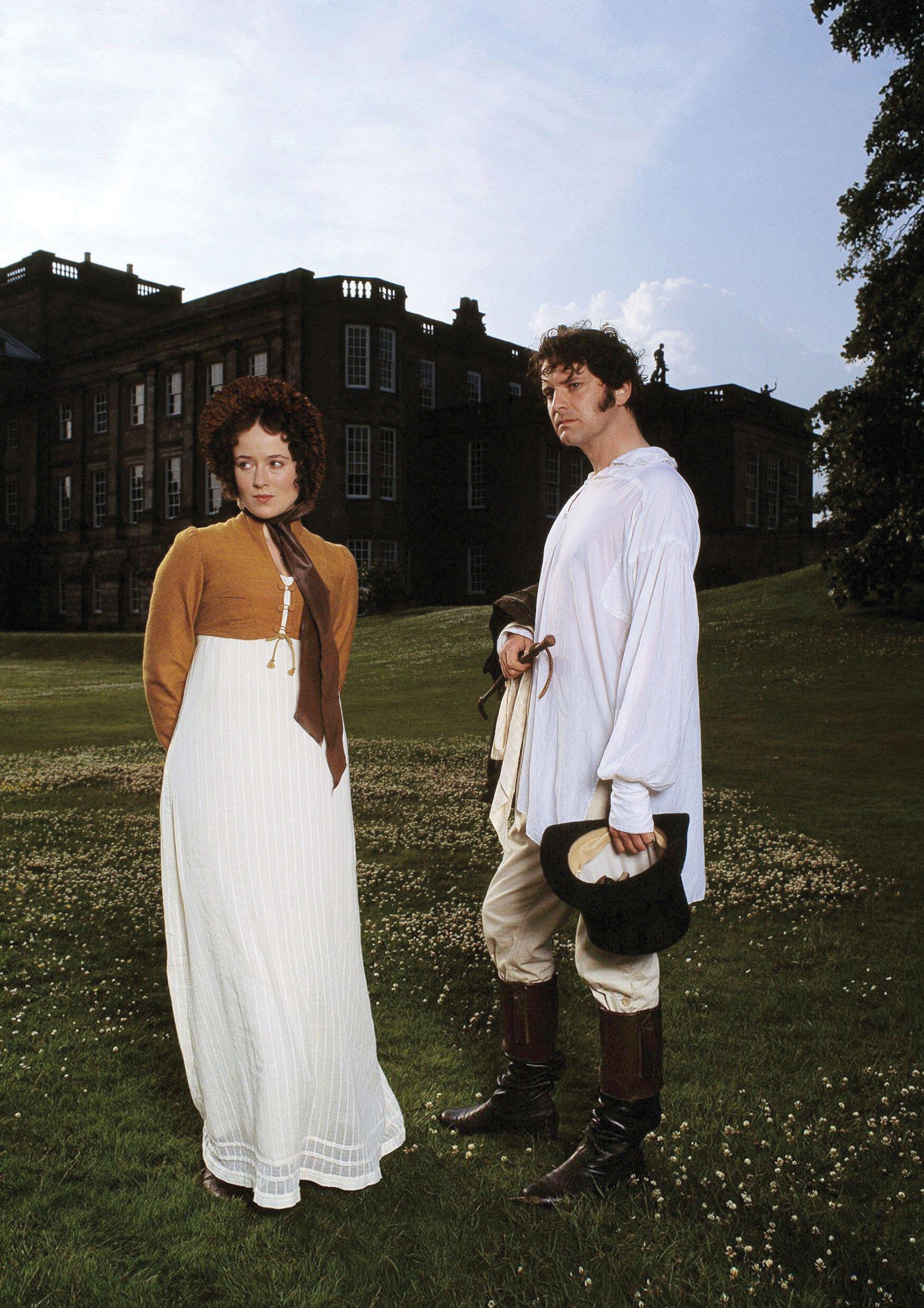
Jennifer Ehle and Colin Firth in Pride and Prejudice. Image: Photo 12 / Alamy
I think my 16-year-old self would be amazed that I actually made a career out of writing and make quite a lot of money out of it. I’m still in a way quite surprised by it. I think he would have enjoyed Game On, the sitcom that I wrote, and probably also would have enjoyed the adaptations, and would have been just kind of intrigued by the dramas that I wrote when I was younger about life and how to live it.
I would say to my younger self, you could have been a bit nicer. You could have been a bit more tolerant of your teachers. But in general I’m quite pleased with my younger self. I made my own mind up about things, and I trusted my instinct, and I think I was right to do that. I tried to do the things that I really enjoyed, and I eventually managed to make a really good career out of doing something I really liked to do, which was writing. So I would say, ‘Good for you for persevering with that’.
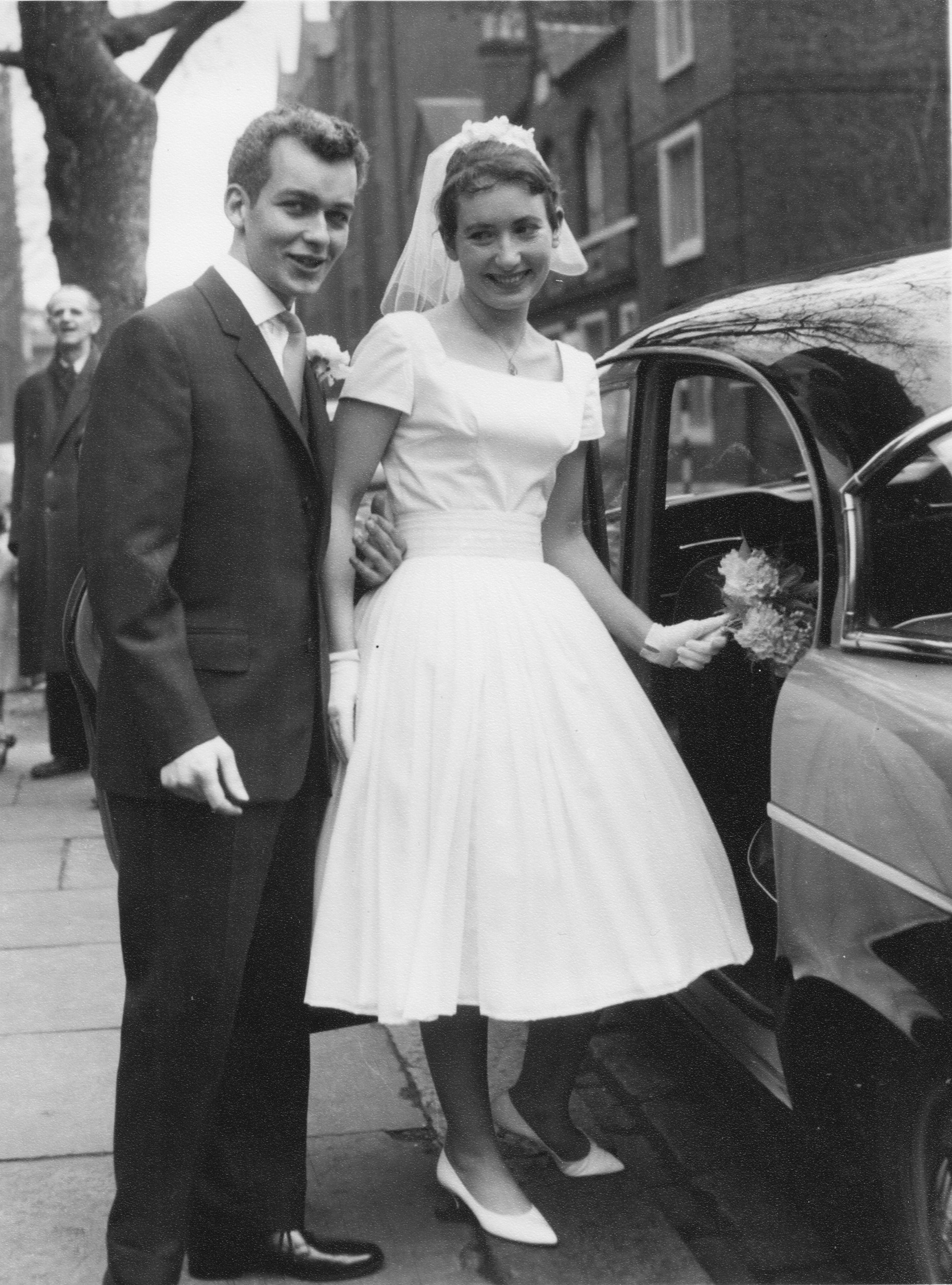
Andrew Davies with Diana on their wedding day in 1960
I had a few kind of breakthroughs. I mean, I kept on getting discovered and then getting dumped. When I was 27, I wrote a Wednesday Play [Who’s Going to Take Me On? was broadcast by BBC One in 1967], which was a very prestigious thing to do in those days. I thought, ‘This is it. I’m going to have a great success’. But then I never managed to sell another script for another five years, and I had to wait for somebody else to discover me much later on. So it was much more a gradual sort of incremental thing.
The big success came really quite late on, which would have beenPride and Prejudice[the 1995 TV adaptation starring Colin Firth and Jennifer Ehle] which got really big audiences, and meant that I could do lots more of the same sort of thing. If I was to say something I’m proud of, I think I’d probably say Pride and Prejudice because it’s lasted 30 years, and a lot of people still say it’s the best version of Pride and Prejudice ever. So I’m still pretty proud of that. I didn’t mind them saying I ‘sexed it up’ because whether it’s obvious or not, most of these great books are about sex and love. It’s just one of the primary motivating forces in life, isn’t it?
War and Peacewas quite a challenge. But it’s a story about people and how they live their lives. And I just read the book and looked out for who I liked best, who I identified with, who shall I put right at the centre of the story. There are three characters: Pierre, Andrei and Natasha, and you can make almost everything revolve around them. So that’s what I did. I made sure they were always at the centre of the audience’s mind. Of course there were massive scenes of war and lives changing, but it’s really about those three people and how their lives work out. So that’s what I did.
If I could have one conversation with anyone again, I would love to reconcile with my mother. She had a brain injury later on, and I was not really able to communicate with her. I would have loved to have just reconciled with her and forgiven each other for the rows that we’d had. That would be the biggest thing.
If I could relive any time it would be when I first met my wife, and how crazy we were about each other. I’d like to go back to those days when we were a couple of sex-mad students.