
Advertisement
In association with Specsavers

Researchers are doing incredible work to find a cure for dementia – but more funding is vital

Over the last couple of decades, there have been huge revolutions in the technology available for us to study dementia – is a cure possible?

Professor Katie Lunnon wants to know, if we have got so good at curing other diseases, why can’t we do this for dementia?

I’ve spent my whole career working on Alzheimer’s disease, studying neurodegeneration in the human brain.

Dementia is an umbrella term that covers a range of symptoms. The most common cause is Alzheimer’s disease, which accounts for about two-thirds of dementia cases, but there are other causes, like dementia with Lewy bodies or vascular dementia.

My grandmother had Lewy body dementia. It is heartbreaking to see someone change. The deterioration and confusion, and the impact on the person’s carers, are devastating. People used to think that dementia is just an inevitable stage of ageing, but it’s not. It’s a biological process. If we can understand more, we can develop treatments and prevent people from developing it at all, giving back quality years of life. 


The biggest issue the dementia research landscape has had is that, historically, it has been so underfunded compared to other diseases like cancer and heart disease. But actually, as a result of that research, we’ve become really good at people living longer and healthier lives, meaning that more people are living to old age. Dementia, being something that affects people with age, means that we’re seeing a rise in the number of dementia cases. It has become a really pressing issue to try to develop treatments. 

Over the last couple of decades, there have been huge revolutions in the technology available for us to study with. There is so much to be hopeful for. I work with an exceptional group of researchers and scientists. At the moment, we are using fascinating new technology to isolate specific cell types in the brain to measure chemical changes. We look at epigenetics, which essentially means ‘above the DNA’ – so, how your behaviours and environment can cause changes that affect how your genes work. Epigenetic modifications are chemical tags that are added to your genes that turn them on or off, like biological switches. 

Advertising helps fund Big Issue’s mission to end poverty
Advertisement

Studying thousands of brain samples, which are kindly donated to brain banks across the UK, we are using new genetic technology to measure the chemical tags in nearly a million sites in the genome. We then compare them and see if we can track changes which might correlate with the level of disease a person has. 

Read more:

My group also does something called bioinformatics. This is where we work with large amounts of data and write our own analysis scripts using our own computer code. Charity funding is really important for researchers, and we do always need more. However, we are now making positive progress through getting more resources. For example, we are seeing advances in brain imaging. On a PET scan, you can now actually see the proteins – amyloid plaques – that we know misfold in the brain in Alzheimer’s disease. Government funding, as well as charities like Alzheimer’s Research UK, have allowed for more research projects to be undertaken than ever before. 

Continue reading for free

Registration is free and takes less than 30 seconds.

Our supporters make Big Issue’s work possible. Join us to see the impact we’re having together and discover more ways to help people facing poverty access income, opportunity and support.

The UK Dementia Research Institute is fostering collaboration between huge numbers of dementia experts in core centres around the UK, while the Drug Discovery Alliance is bringing the worlds of academia and industry closer together and pushing more potential treatments towards clinical testing. Biomarkers are now able to predict a person’s rate of progression with the disease by their blood. There are trials going on with therapies that boost the brain’s immune system to work against the unfolding of amyloid plaques, while pharmaceutical companies are taking more drugs into the final stages of clinical trials and developing the first disease-modifying therapies. 

We have got so good at curing other diseases, why can’t we do this for dementia? It is just a case of enough resources and people to make it happen.

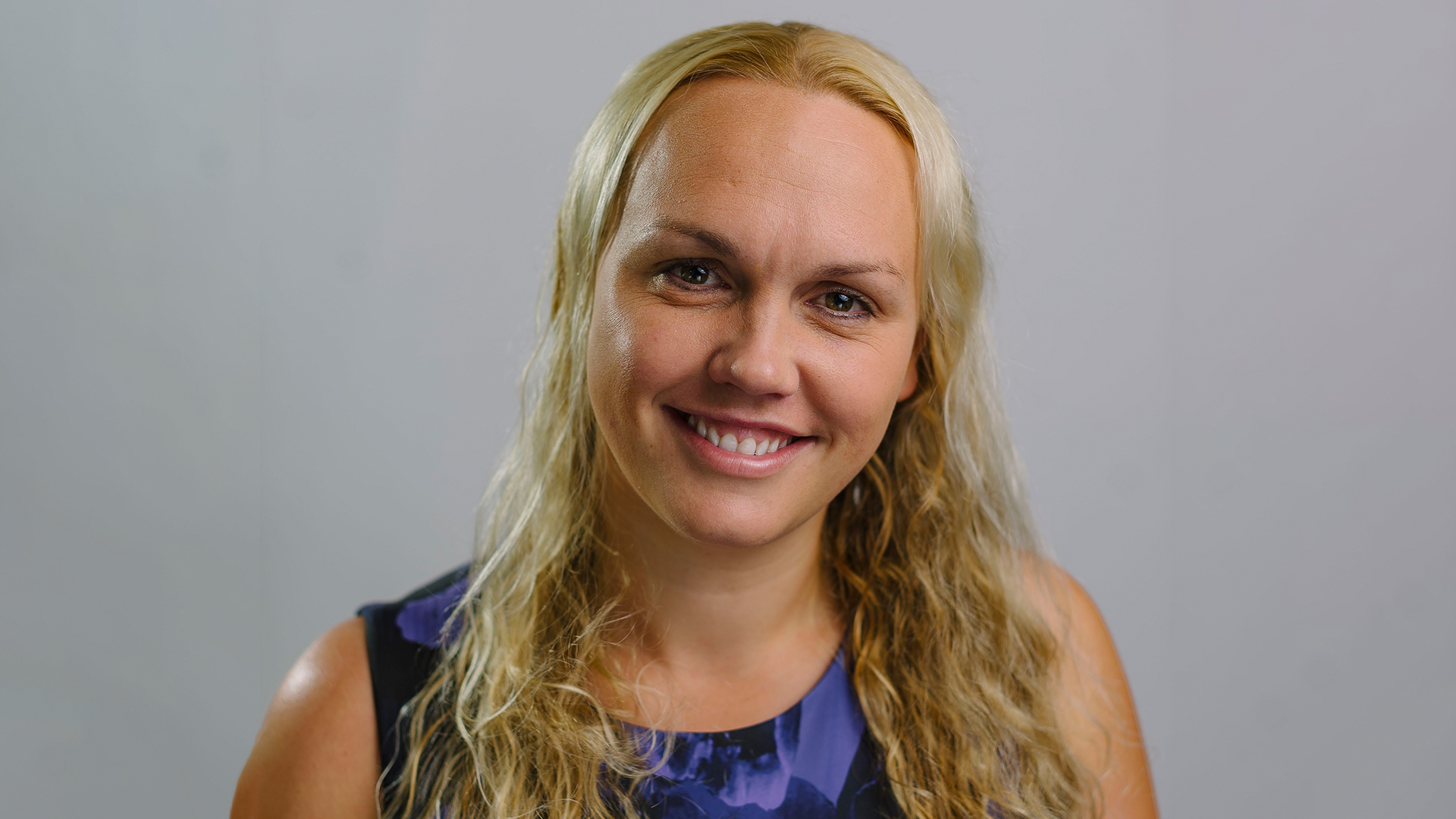
Katie Lunnon is professor of dementia genomics at the University of Exeter.

Advertising helps fund Big Issue’s mission to end poverty

Katie’s story was told in our special edition of the Big Issuetaken over by people with dementia. Buy a copy here.

Help to fund more research here.

Do you have a story to tell or opinions to share about this? Get in touch and tell us more

Change a vendor’s life.

Buy from your local Big Issue vendor every week – and always take the magazine. It’s how vendors earn with dignity and move forward.

You can also support online:
Subscribe to the magazine or support our work with a monthly gift. Your support helps vendors earn, learn and thrive while strengthening our frontline services.

Advertising helps fund Big Issue’s mission to end poverty

Thank you for standing with Big Issue vendors.

Advertising helps fund Big Issue’s mission to end poverty

Do you know how Big Issue 'really' works?

Watch this simple explanation.

Recommended for you

Read All
David Baddiel: 'My worst moment was telling my dad my mum died. I had to tell him again and again'
Dementia

David Baddiel: 'My worst moment was telling my dad my mum died. I had to tell him again and again'

Hundreds of ex-rugby players with brain injury demand answers: 'One hit could kill them'
Alix Popham tackles Argentina’s Juan Martin at an international in Cardiff, 2007. Image: Matt Dunham / AP Photo / Alamy
Contact sports

Hundreds of ex-rugby players with brain injury demand answers: 'One hit could kill them'

‘I was diagnosed with dementia almost a decade ago but life is for the living. You can’t hold back’ 
Olive Munro and her husband Ronnie. Image: Alzheimer's Research UK
Dementia

‘I was diagnosed with dementia almost a decade ago but life is for the living. You can’t hold back’ 

'I’ve been axe throwing and tractor riding since being diagnosed with Alzheimer's’ 
Ronnie Dean and her son Will
Alzheimer's

'I’ve been axe throwing and tractor riding since being diagnosed with Alzheimer's’ 

Most Popular

Read All
Renters pay their landlords' buy-to-let mortgages, so they should get a share of the profits
Renters: A mortgage lender's window advertising buy-to-let products
1.

Renters pay their landlords' buy-to-let mortgages, so they should get a share of the profits

Exclusive: Disabled people are 'set up to fail' by the DWP in target-driven disability benefits system, whistleblowers reveal
Pound coins on a piece of paper with disability living allowancve
2.

Exclusive: Disabled people are 'set up to fail' by the DWP in target-driven disability benefits system, whistleblowers reveal

Cost of living payments: Where to get help in 2025 now the scheme is over
next dwp cost of living payment 2023
3.

Cost of living payments: Where to get help in 2025 now the scheme is over

Citroën Ami: the tiny electric vehicle driving change with The Big Issue
4.

Citroën Ami: the tiny electric vehicle driving change with The Big Issue