Our dementia research is bringing new hope for a cure – and already changing lives
After an early cognitive impairment diagnosis, Larry Woelk joined a clinical trial that helped change the course of dementia research. Now, his story shows how scientific progress, trial participants and public support are bringing better treatments closer.
by:
31 Aug 2026
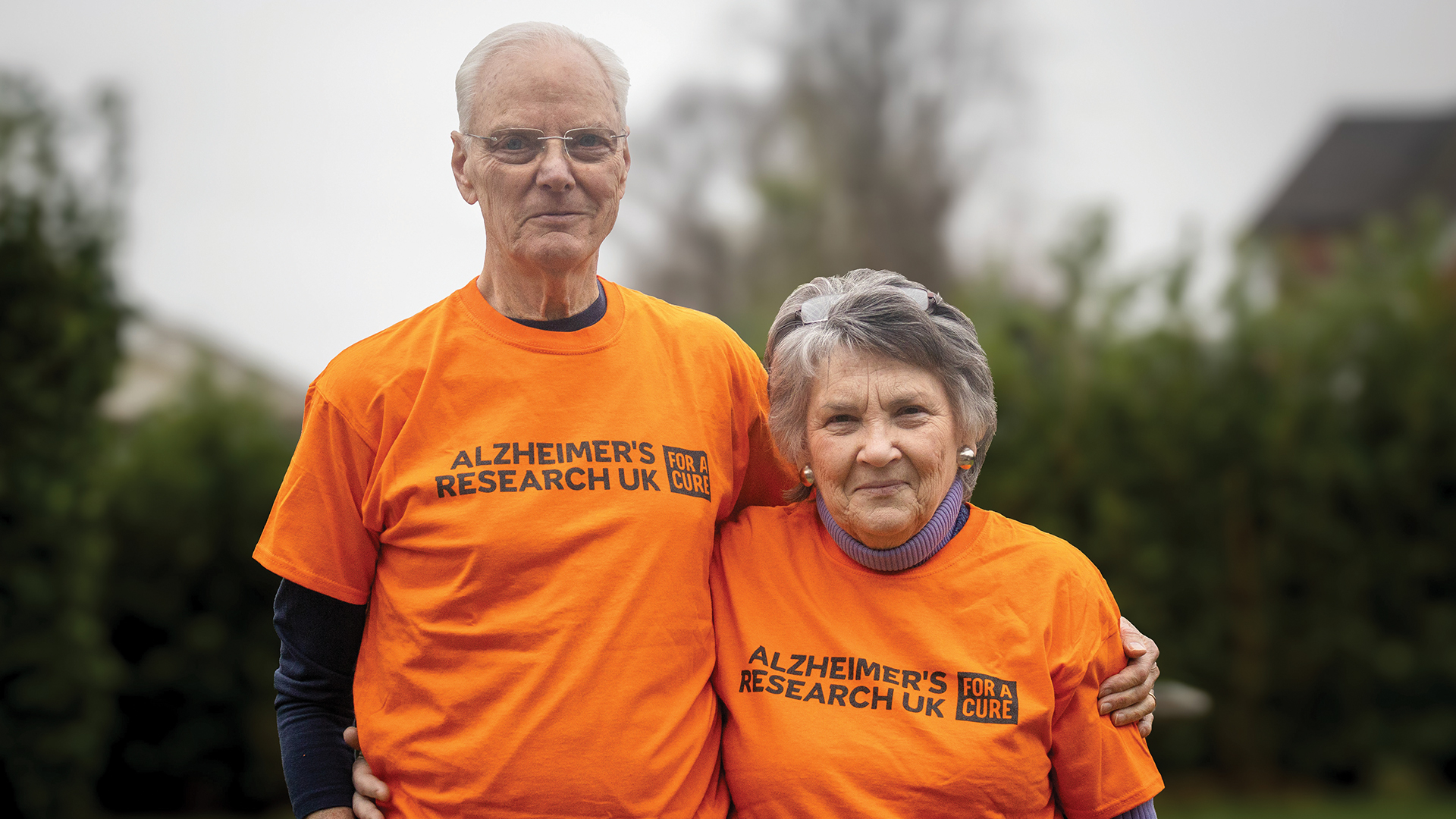
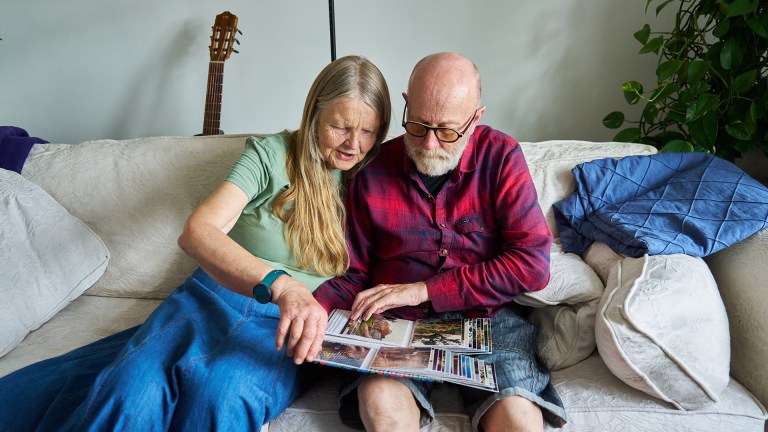
Larry Woelk and wife Rita. Image: Alzheimer’s Research UK
Advertorial from Alzheimer's Research UK
Share
When Larry Woelk was diagnosed with mild cognitive impairment (MCI) in 2018, he feared what would come next.
“[My wife] Rita and I… would talk about what the long-term effect is,” the retired business executive said. “It is difficult to predict, but having my mother who went through it, I could see what was down the road.”
MCI is a decline in memory and thinking skills. It isn’t the same as dementia, but for some people it can progress to conditions including Alzheimer’s disease. Larry’s mother died with Alzheimer’s, and he worried that he would follow the same path.
Now, he believes a new generation of Alzheimer’s drugs has dramatically slowed that decline.
For families affected by dementia, treatments like these represent something long hoped for: genuine progress against Alzheimer’s.
Breakthroughs like this take decades of scientific work and would not have been possible without the support of people who fund dementia research.
Advertising helps fund Big Issue’s mission to end poverty
Advertisement
“Everyone forgets things, like ‘why did you go into that room?’ or ‘what channel is that show on?’” he said.
“But my memory had slipped a little bit more than normal. On lecanemab it hasn’t slipped a lot further.”
Lecanemab and donanemab were licensed for use in the UK in August and October 2024, becoming the first treatments approved here in more than 20 years. Their approval is evidence that decades of research are beginning to deliver tangible results for people affected by Alzheimer’s.
Keep reading the journalism that powers our mission
Register free to continue and learn more about the stories, campaigns and the support we provide, helping people facing poverty across the UK.
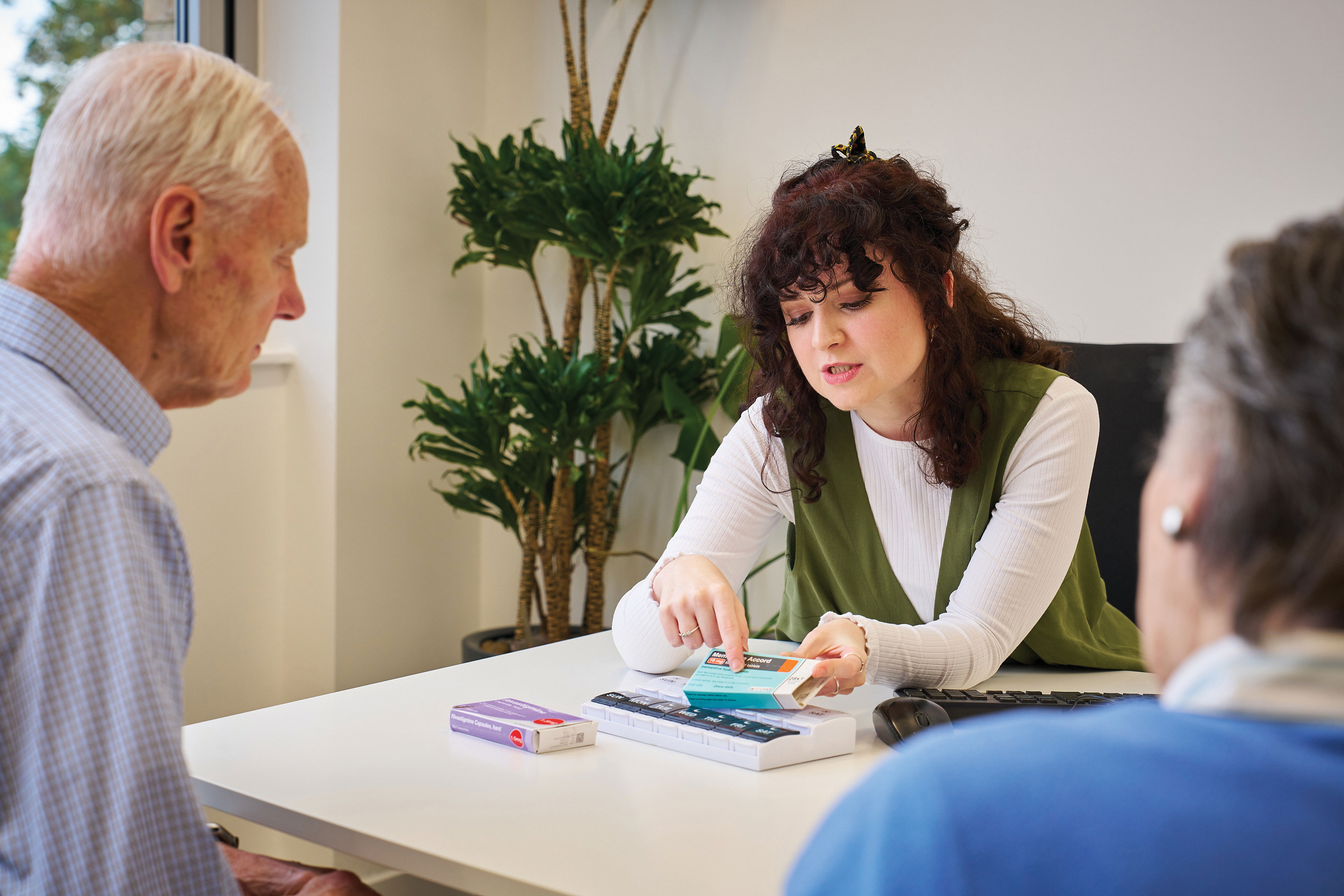
Neither lecanemab nor donanemab is currently available on the NHS but, researchers believe, they mark an important step for people in the early stages of Alzheimer’s disease.
Larry Woelk joined the lecanemab clinical trial at The Memory Assessment & Research Centre in Southampton. Image: Alzheimer’s Research UK
Larry was one of the people who helped make that breakthrough possible.
In 2020, he joined the lecanemab clinical trial at The Memory Assessment & Research Centre in Southampton, receiving an intravenous infusion every two weeks.
Advertising helps fund Big Issue’s mission to end poverty
From laboratory discoveries to large-scale clinical trials like the one Larry joined, progress only happens because researchers, participants and supporters work together to move potential treatments forward.
“I’ve taken memory tests every six months and those really haven’t changed in the time I’ve been on the trial,” Larry said.
“I feel fortunate that my diagnosis came so early and got me on this journey at a time when I could be helped and that I have received a drug that is beneficial to me.”
The clinical trial findings showed that people who were taking lecanemab experienced a slower rate of cognitive decline than those given a placebo. While the treatment cannot stop Alzheimer’s, delaying its progression means people can spend longer living independently.
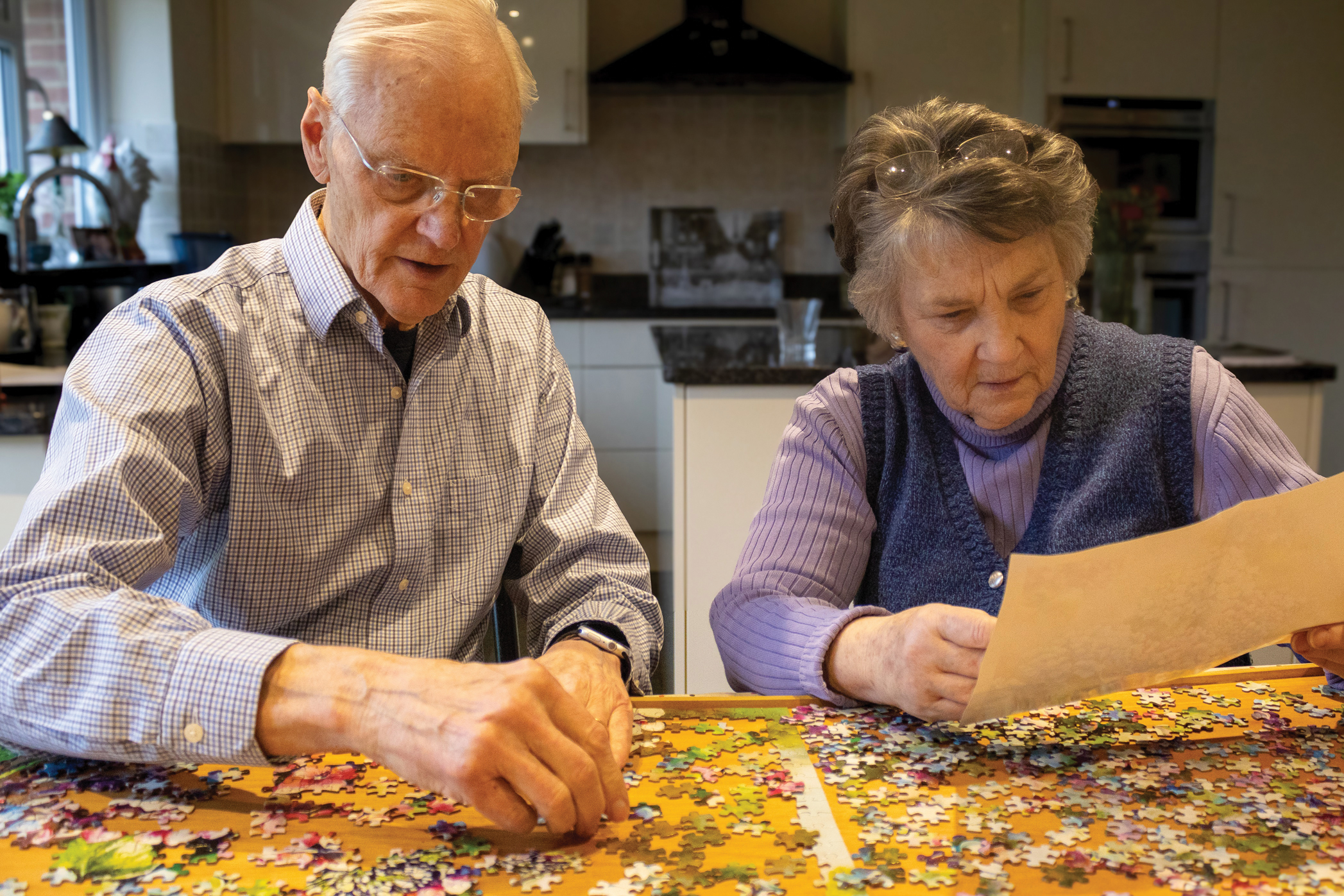
“I am still able to live a full life – going on bike rides, playing mahjong, and socialising with friends and family,” Larry said.
This is what research can give back: another bike ride, another game of mahjong, another ordinary day that suddenly feels anything but ordinary. But breakthroughs do not arrive by magic. They come from years of work in labs and clinics, from people joining trials, and from vital, generous support through donations.
Advertising helps fund Big Issue’s mission to end poverty
For those who support Alzheimer’s Research UK, this is what their donations help make possible: discoveries that become trials, and trials that become treatments. But the job is not done. We need to fund more research so today’s progress can lead to better treatments, and ultimately a cure, for everyone affected by dementia.
“There are many people in the future who will have dementia,” Larry’s wife Rita said. “So, the sooner we get to a cure the better. The more drug trials that are run, the more people who partake, the faster we will get there.”
Larry Woelk said the clinical trial helped him ‘live a full life’. Image: Greg Woodward
More than 180 potential Alzheimer’s treatments are now being tested in clinical trials around the world, with scientists investigating more than 140 different biological targets.
Alzheimer’s Research UK supporters are helping fund the science that feeds this flourishing pipeline. By backing discovery research, improving understanding of diseases and accelerating drug development, they are helping to ensure that today’s breakthroughs are followed by even better treatments tomorrow.
Thanks to Alzheimer’s Research UK’s supporters, work at the Drug Discovery Alliance (DDA) is also fuelling dementia drug discovery by uniting academia and industry to turn lab breakthroughs into potential treatments faster.
For families facing dementia, time is everything. Please donate to Alzheimer’s Research UK today. Your support can help fund the next study, the next trial, and the next breakthrough, bringing us closer to a cure for everyone affected by dementia.
Advertising helps fund Big Issue’s mission to end poverty