Hundreds of ex-rugby players with brain injury demand answers: ‘One hit could kill them’
Alix Popham was just 40 when he was diagnosed with dementia. As part of our special takeover edition of the magazine, he speaks with 28-year-old Ross Kirtland who is in the process of getting a scan as he suspects he may have brain damage caused by rugby.
by:
4 Sep 2026
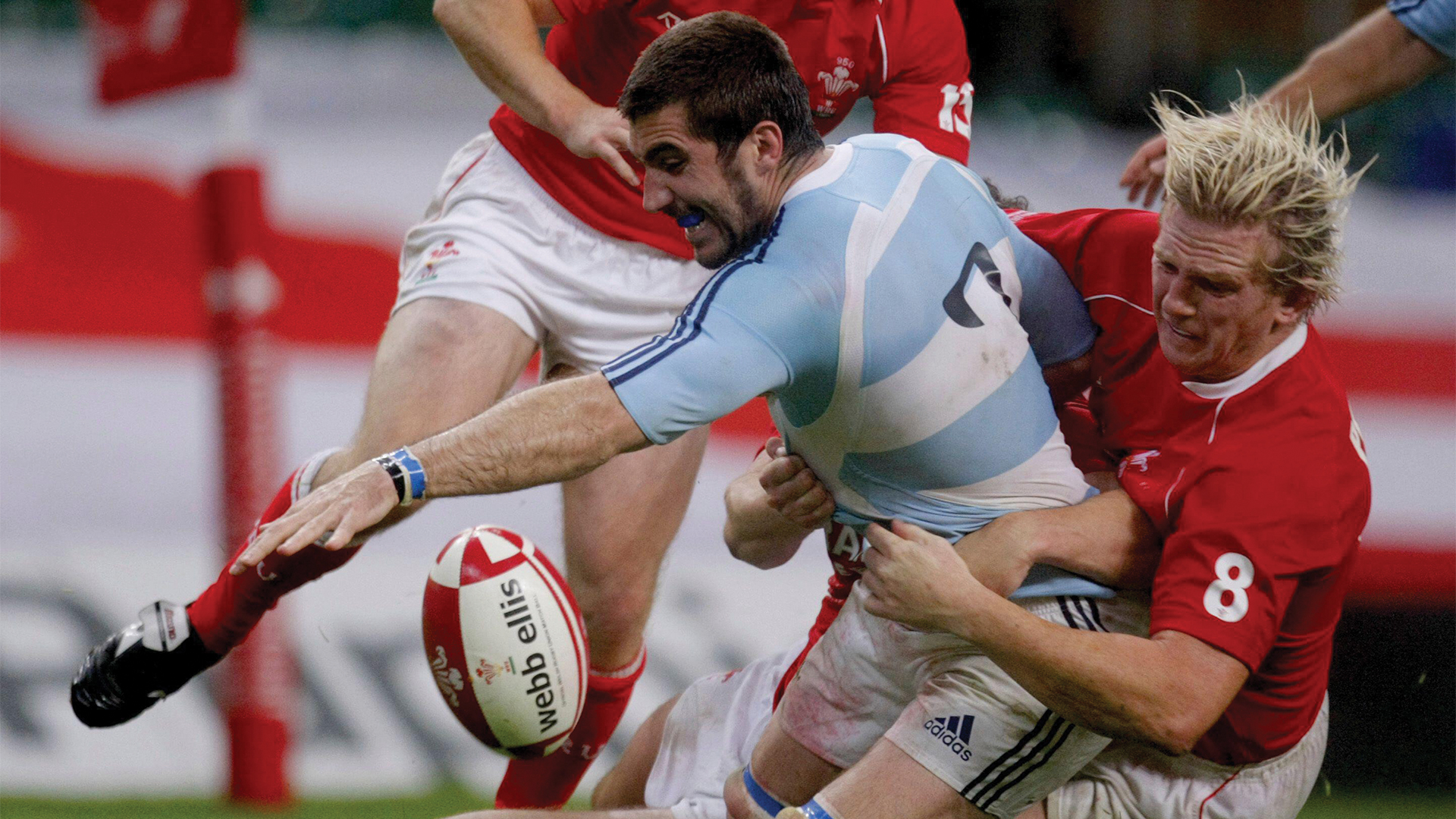
Alix Popham tackles Argentina’s Juan Martin at an international in Cardiff, 2007. Image: Matt Dunham / AP Photo / Alamy
In association with Specsavers
Share
Alix Popham was a professional rugby union player between 1998 and 2010. After his retirement, when he was just 40, Popham was diagnosed with young-onset dementia. Doctors estimated he had suffered more than 100,000 sub-concussions in his rugby career which caused permanent damage to his brain.
Realising he was not alone, Popham founded charity Head for Change to support rugby and football players living with brain injuries through sport. He is among hundreds of rugby league and union players taking legal action against the game’s governing bodies for lack of protections against brain injury.
Popham has been able to help other players get scans and answers. Here, he speaks with 28-year-old Ross Kirtland, who is in the process of getting a scan and believes he may have suffered brain damage because of rugby.
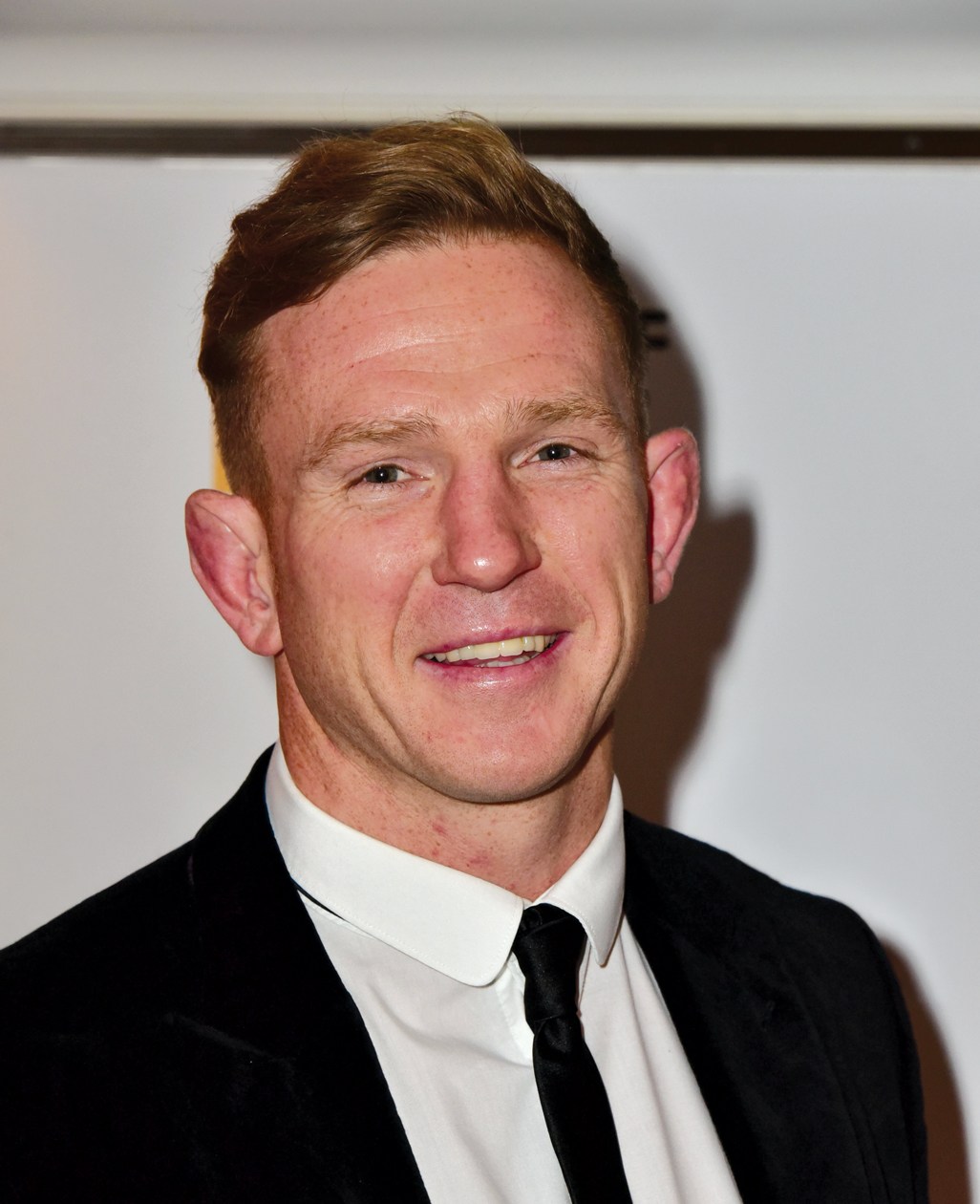
Alix Popham. Image: Nils Jorgensen/ Shutterstock
Alix Popham: My wife Mel noticed I was forgetting things. It wasn’t just being a man and not listening. It was important stuff about kids and pick-ups and doctor’s appointments. I put it down to everyday stresses and it went on for quite a few months. Mel thought I had a brain tumour. I was in denial.
I went on a bike ride I’ve done many times and had a blackout moment where I didn’t know where I was. I rang Mel upset and she said go on Strava and cycle home the way you came. I got home and burst into tears because I didn’t know what was happening. The following day we rang the doctors and that’s where the testing started. It was a relief to admit something was up.
We had the diagnosis of early-onset dementia in 2020. It gave me answers. I had black and white evidence that my brain was damaged even though it wasn’t good news. I spoke to other players and realised we needed to do something. That’s where Head for Change was born.
Advertising helps fund Big Issue’s mission to end poverty
Advertisement
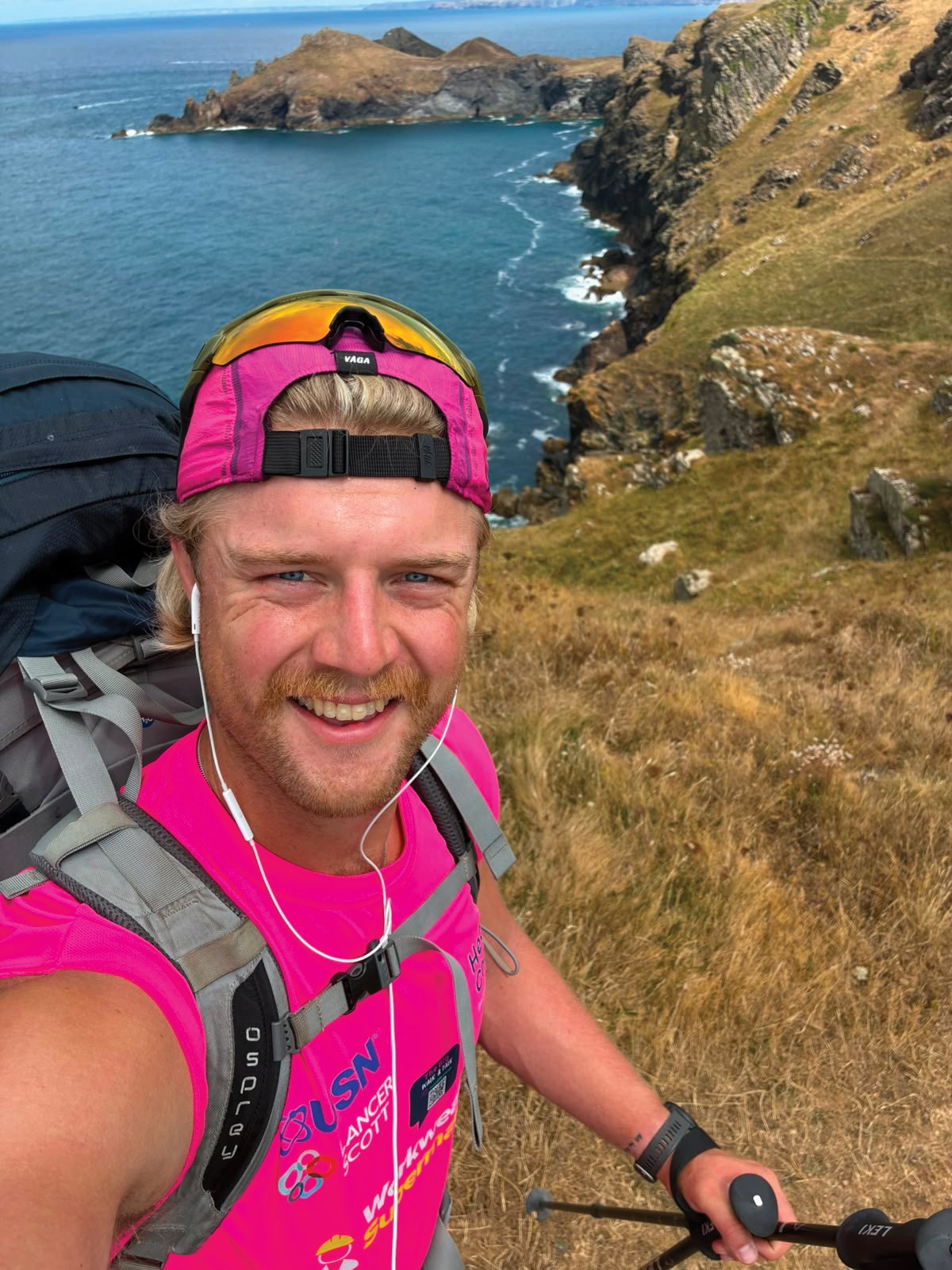
Ross Kirtland. Image: Supplied
Ross Kirtland: I connected with Alix and Mel after I’d been discharged from the psychiatric hospital. I had been thinking about getting a CT scan because I had been playing rugby for so long. I had a few concussions and was going through mental health struggles and I thought there might be crossover.
I’ve struggled with my mental health since I was a teenager. I had a breakdown which led to not being able to leave the house. I completely lost cognitive functioning. I remember going to empty the dishwasher in my mum’s home and I had forgotten how to empty it. I went to make a sandwich, and I couldn’t work out what goes where.
I couldn’t work out how to send an email. I know Alix has experienced that too. I was unable to pick up on social cues because my head was so busy. It kept spiralling. I didn’t know how to go about getting a scan or investigating it. Alix and Mel have helped. For me, it would put the pieces of the puzzle together.
Keep reading the journalism that powers our mission
Register free to continue and learn more about the stories, campaigns and the support we provide, helping people facing poverty across the UK.
AP: It’s just answers, isn’t it? Fingers crossed it doesn’t show anything. But from my experience of being involved in this for six years, I’m more surprised when a rugby player doesn’t show any damage.
RK: I think Head for Change is amazing because it’s not dissing rugby or shutting it down. It’s about making it safer.
Advertising helps fund Big Issue’s mission to end poverty
AP: You’ve got to be honest to make it safer. People don’t like the truth sometimes. There were 14 areas of damage on my brain. But current professional rugby players or amateur rugby players haven’t got access to those scans, which is disgusting.
I would like annual MOTs for players, especially at elite level. If any damage is picked up, then they have to make the tough decision of not carrying on. I know of many international players who have got damage and shouldn’t be playing but are. One hit could kill them.
RK: It’s the mental health impact too. I survived more than 20 suicide attempts. I was homeless for over a year. I couldn’t understand conversations. I couldn’t work out forms. I didn’t know about finances. That was extremely scary. I wanted to sign a rugby contract. I wanted to do my master’s degree in psychology, but I had to let that go. I lost three years of my life to the wilderness, which is what I call it. I didn’t know what day it was. I didn’t know what year it was.
It’s nowhere near as bad as it was, but I have had a few wobbles. I try to live in the moment as much as I can, but you can’t help but fear the future. Putting my story on social media has helped because I don’t feel shame any more. This is who I am. I’m doing a big walk, the length of Great Britain, for Head for Change this year. I’m speaking out. In some ways, it’s the most beautiful thing that ever happened to me.
AP: Mel and I try to look at the positives, but it’s been a rollercoaster. I regret having angry moments. I was never physical towards another person but I gave myself two black eyes with the palms of my hand because I didn’t know what was going on. It’s not a normal life. My brain is like a kettle. I never let it boil but it’s always simmering.
With Ross, his mental health has improved massively, but there are others who haven’t. Since I was diagnosed, there are 42 players who have taken their own lives globally that we know about. Some of those are close friends and were on this journey with us.
Advertising helps fund Big Issue’s mission to end poverty
The NHS do an amazing job. They’re at capacity. But with sports-related brain injuries, there needs to be a massive push in education. It’s a postcode lottery.
When I went into professional rugby, there was one physio who is supposed to tape up everybody and get them on the training pitch. The mileage on your brain over your career is ridiculous. Nobody was looking at that.
RK: I had bad shoulder injuries when I was involved in the England squad at 17 and 18. I was playing through injury, playing through pain, and getting steroid injections so I could play.
AP: We talk about this ‘man-up’ ethos. It’s hard because rugby is such a physical and aggressive sport. In some ways, you do have to man-up. You have to put your head in places where your head shouldn’t go.
I always thought that a concussion or a brain injury was when you were knocked out cold. When I was being tackled and seeing stars, I know now that was a brain injury. They were happening multiple times a day. If I went back, I would give myself rest. The team around me should have looked after me better. That’s still not happening now.
RK: I don’t know if I’d tell my young self not to play. All my best friends are from rugby. I got a private school education which I would have had to pay for. I went to university on a scholarship. I travelled to Australia and played there. What rugby has given me has been absolutely amazing.
Advertising helps fund Big Issue’s mission to end poverty
AP: I was four years old when I started playing contact rugby. The minimum age now is nine. That needs to be increased to 16 and if there is potential head injury, they need to come off the pitch.
I want to go to court. I want the people who have blood on their hands to stand up and be accountable for thousands of people dying young and having brain damage.
You’ve got no control over the past, but you can control how you look at the future. If I think of something I have to do, it becomes too big, but if I break it down into smaller manageable things, then I can achieve it. And I try to do it with a smile on my face.
RK: I like to be delusionally positive. I’ve got a tattoo on my wrist that says anything is possible. I truly believe you can get through anything. It’s important to have hope.