
Advertisement
In association with Specsavers

Want to help the families of people with dementia? Here’s what to do

There’s a lot of praise for unpaid carers from the government, but what do they actually do to help? asks John Noone

Caroline’s Alzheimer’s diagnosis was confirmed in 2018, it is what they call young onset. She was only 53. We had all hoped that it was brain fog caused by menopause.

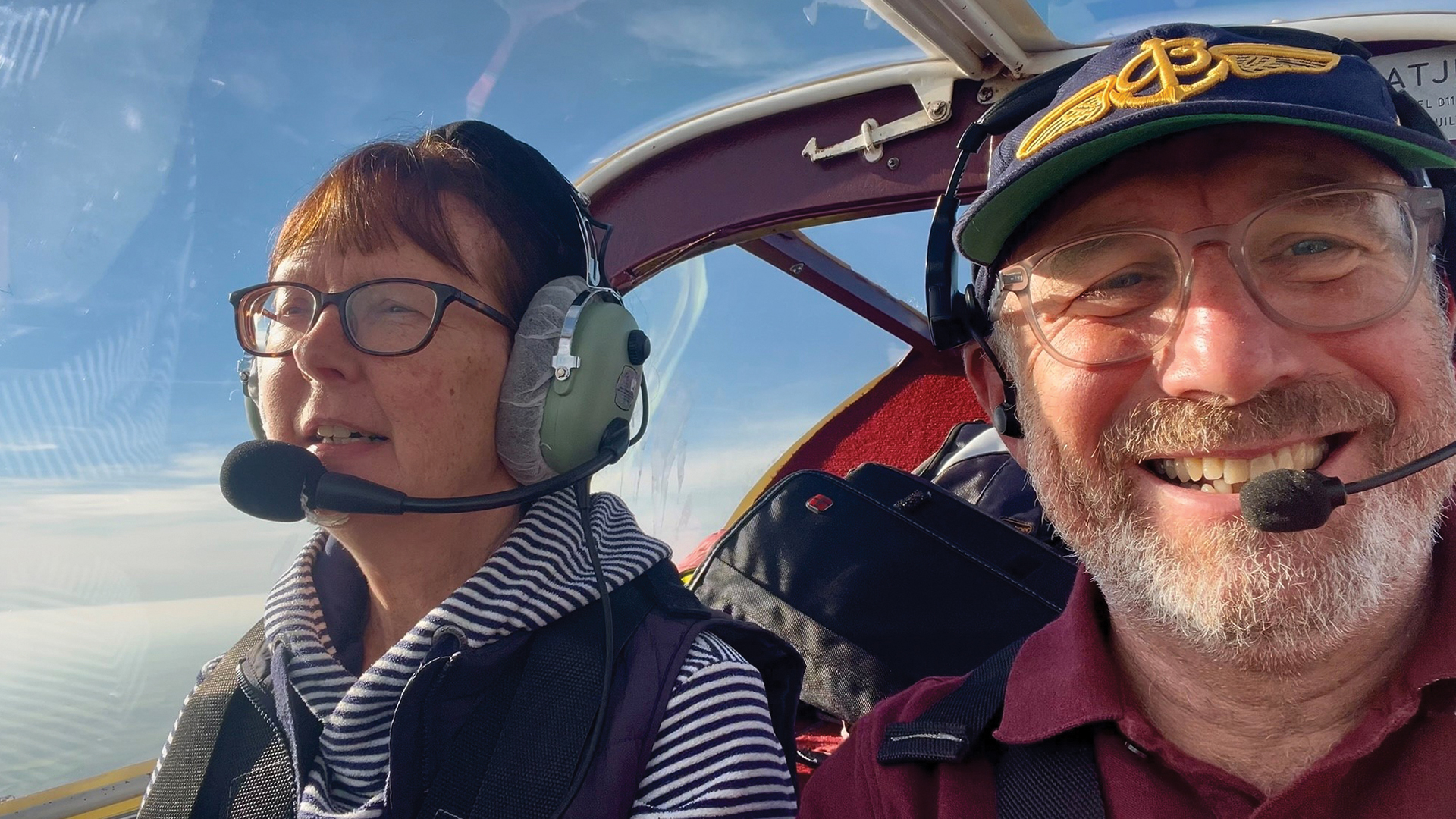
Caroline and I got married 37 years ago. I was in the Royal Air Force, having joined at 18 and served for 21 years, before I moved into commercial flying as a pilot. I always said Caroline was the ‘brains of the operation’. She has a degree in maths and chemistry from King’s College London. When we met, she worked in the City.

We have two grown-up children, a granddaughter and another on the way. My son also joined the RAF. He’s based at RAF Coningsby, close to Lincoln, where we live. Alzheimer’s affects the whole family. My son wouldn’t be based where he is if this had not happened to his mum.

Buy your copy of this week’s Big Issue magazine from vendors and the Big Issue Shop now

Caroline had retrained as a teacher after she was made redundant in the financial crash of 2008. She worked as a supply teacher for quite a long time, until the brain fog made it increasingly difficult to work. We first got a diagnosis of mild cognitive impairment (MCI) before Alzheimer’s was confirmed. As Caroline was so young, researchers were very interested in doing further studies. She was referred to Queen Mary’s Medical Centre in Nottingham, and they made it clear that none of their research would help Caroline – but we might be able to help science by helping them.

We agreed to take part because Caroline was very keen to help other people. She had to do some cognitive tests, and then she had a lumbar puncture and some MRI and PET scans done. These tests confirmed the diagnosis of young-onset Alzheimer’s due to the presence of amyloid proteins in her spinal fluid. 

But Caroline’s always been either in denial or ignored the diagnosis.

Advertising helps fund Big Issue’s mission to end poverty
Advertisement

When Caroline was first diagnosed, we kept it very quiet. We didn’t really tell anyone apart from family. I didn’t tell anyone at work and just tried to carry on doing stuff without getting too affected by it. In the end, I had to retire a year early. 

I couldn’t get flexible working in a meaningful way – something had to go, so I decided to just retire. I’m glad I did. Things have got so difficult now that it would have been impossible to continue. 

Read more:

My children are more worried about my health than my wife’s, because they know she’s getting care, but how will I cope? This winter was an absolute nightmare. You end up being quite a lonely person as a carer. I’m holding it together but it’s not easy.

If they have a good support system, people living with dementia are probably getting the support they need. But people caring for them need help and often won’t ask for it, because it’s really hard to ask. You feel like you’re inconveniencing people. 

If you want to help carers, then do something. Take the person living with dementia out for a few hours a week. Those few hours would be like heaven to me. Instead, people usually just say: “If you need help, give us a call.” I’ll never make that call. 

Advertising helps fund Big Issue’s mission to end poverty

Don’t leave carers out in the cold. There’s a lot of praise for unpaid carers from the government, but what do they actually do to help? I would like to see more funding for care and designated people in local councils who are able to support carers. It shouldn’t be the voluntary sector having to fill that gap. 

Running the London Marathon helped John Noone to talk about Caroline’s diagnosis
Running the London Marathon helped David to talk about Caroline’s diagnosis. Image: Supplied

The NHS can’t provide anything except medication to mask the symptoms. There is currently no cure. Nobody survives Alzheimer’s. 

As a society, we don’t like things we can’t understand or survive, and we still presume it’s a much older person’s illness. It could be any of us going through it. We don’t know who is going to get it, and unfortunately a lot of people do. 

It’s in the interest of the whole population to work to support research and find a cure.

I got involved with Alzheimer’s Research UK when I ran the London Marathon. It was the best thing I ever did because I started talking about our situation and pushing for better research. 

Raising money was more satisfying than training. I ran it proudly with the Alzheimer’s Research UK vest on and raised around £5,000 for the charity. That made it worth doing the marathon.  

Advertising helps fund Big Issue’s mission to end poverty


Just 1% of people who could take part in clinical trials for dementia do so. Alzheimer’s Research UK needs people to take part so they can find treatments to benefit everyone

Do you have a story to tell or opinions to share about this? Get in touch and tell us more

Change a vendor’s life.

Buy from your local Big Issue vendor every week – and always take the magazine. It’s how vendors earn with dignity and move forward.

You can also support online:
Subscribe to the magazine or support our work with a monthly gift. Your support helps vendors earn, learn and thrive while strengthening our frontline services.

Thank you for standing with Big Issue vendors.

Advertising helps fund Big Issue’s mission to end poverty

Do you know how Big Issue 'really' works?

Watch this simple explanation.

Recommended for you

Read All
Our dementia research is bringing new hope for a cure – and already changing lives
Larry Woelk, who has mild cognitive impairment, and wife Rita
Advertorial

Our dementia research is bringing new hope for a cure – and already changing lives

Migrants are twice as likely to work nights than Brits. The care system would collapse without them
A clock with a moon and clouds to illustrate night carers
Essay

Migrants are twice as likely to work nights than Brits. The care system would collapse without them

The BIGGER Issue Puts Barriers to Eye Care in Focus
Advertorial

The BIGGER Issue Puts Barriers to Eye Care in Focus

Four Myths That Stop People Getting Their Eyes and Ears Tested
Advertorial

Four Myths That Stop People Getting Their Eyes and Ears Tested

Most Popular

Read All
Renters pay their landlords' buy-to-let mortgages, so they should get a share of the profits
Renters: A mortgage lender's window advertising buy-to-let products
1.

Renters pay their landlords' buy-to-let mortgages, so they should get a share of the profits

Exclusive: Disabled people are 'set up to fail' by the DWP in target-driven disability benefits system, whistleblowers reveal
Pound coins on a piece of paper with disability living allowancve
2.

Exclusive: Disabled people are 'set up to fail' by the DWP in target-driven disability benefits system, whistleblowers reveal

Cost of living payments: Where to get help in 2025 now the scheme is over
next dwp cost of living payment 2023
3.

Cost of living payments: Where to get help in 2025 now the scheme is over

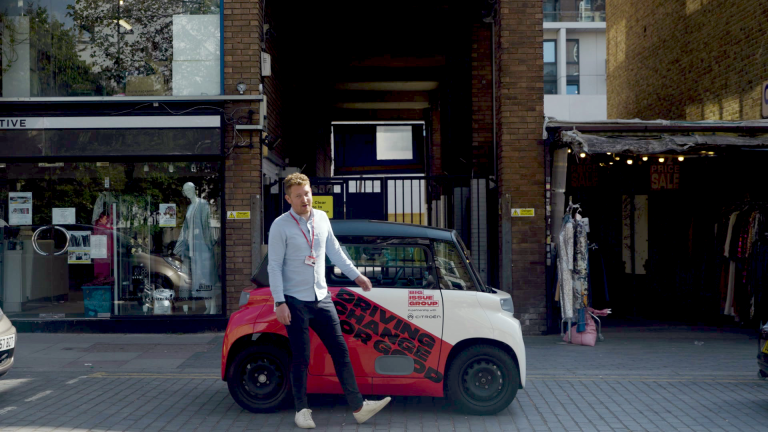
Citroën Ami: the tiny electric vehicle driving change with The Big Issue
4.

Citroën Ami: the tiny electric vehicle driving change with The Big Issue