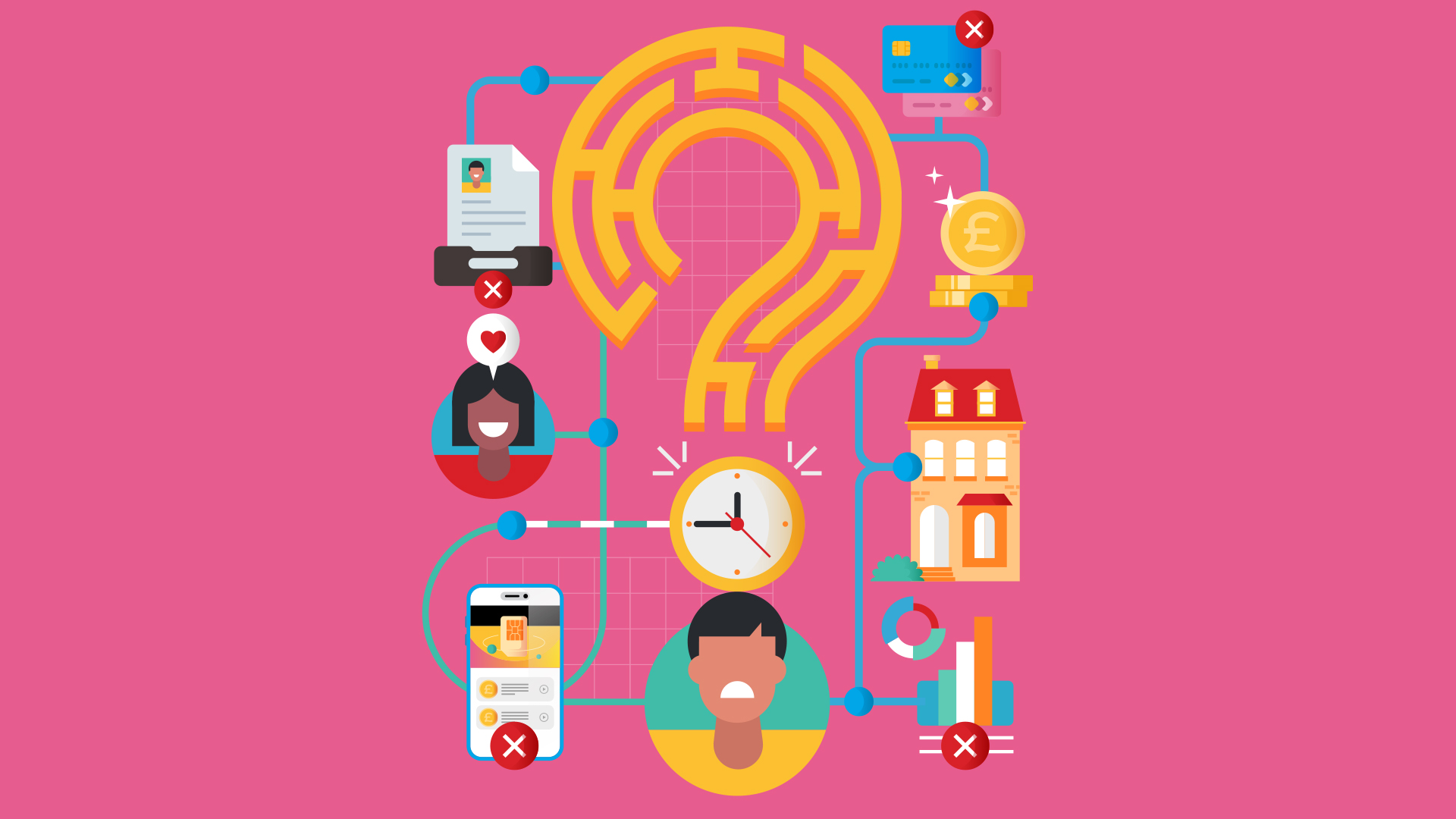
You may know the feeling: “I should probably check my credit score.” Then days pass. Weeks, maybe months. You keep meaning to look, and you keep not looking. You might even put off a financial decision you need to make, because finding out feels worse than not knowing.
If that sounds familiar, you could be experiencing credit anxiety, and you’re far from alone. New research from connectivity network giffgaff found that almost a third of people (30%) have avoided applying for credit because they were worried about the impact on their credit score. As we explored in our last article, most of us are never really taught how credit works. It’s no surprise that something we don’t understand can feel intimidating. The good news is that the fix is mostly the same thing: understanding it a little better.
Why it feels like a test
A 2025 study published in the Administrative Science Quarterly found that being evaluated via a score can produce anxiety and change how people behave. A credit score can feel like a school grade, a verdict on whether you’re good or bad with money.
Research on procrastination points to uncertainty as a big part of the problem. A 2016 study found that people prone to what researchers called “uncertainty paralysis” were more likely to procrastinate. Credit is full of unknowns: what will a lender see? Will I be accepted? Will checking make it worse? Doing nothing can feel like a safe option.
But avoidance tends to fuel anxiety. If uncertainty is holding you back, the most effective thing you can do is reduce it.
Why it’s less scary than it feels
Looking won’t hurt. As we covered last time, checking your credit report is free and doesn’t affect your score. Neither does using an eligibility checker.